Gorlois, Duke of Cornwall

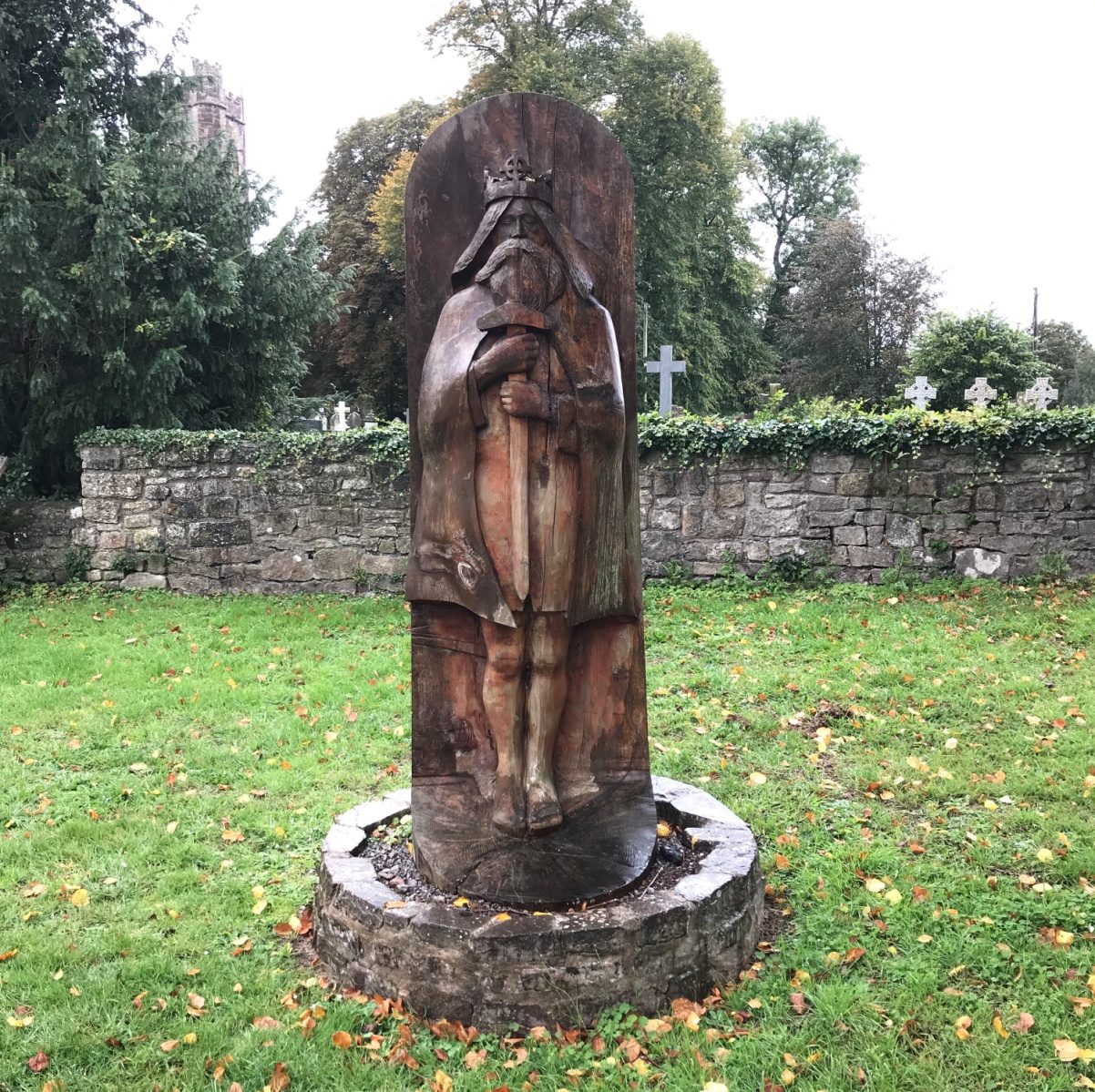
Gorlois, usually known as the duke of Cornwall, is a fairly important character from the legends of King Arthur. He is best remembered as the first husband of Igerna and the enemy of Uther Pendragon. He ends up being killed by Uther, leading to the latter taking Igerna as his own wife, which in turn leads to the birth of their son Arthur. What do the legends reveal about Gorlois and his connection to other rulers of Cornwall? Is there any evidence that he was a historical figure? In this article, we will examine the answers to those questions and others.
Who Was Gorlois, Duke of Cornwall?
In the Arthurian legends, Gorlois is presented as the ruler of Cornwall in the generation prior to King Arthur’s birth. He was an ally of Uther Pendragon, Arthur’s father. He first appears in the Arthurian legends in the Historia Regum Britanniae, written in c. 1137 by Geoffrey of Monmouth.
According to this account of the Arthurian era, Gorlois helped Ambrosius (Arthur’s uncle) fight the Saxons in the time of Hengist. Years later, he assisted Uther in his defeat of the Saxon leaders Octa and Eosa. Thus, he was a long-time ally of Arthur’s dynasty.
This amicable relationship came to an end when Uther fell in love with Igerna, Gorlois’ wife, while at a royal event. Gorlois was greatly offended at Uther’s overt desire for his wife, leading him to withdraw from Uther’s presence. This, in turn, offended Uther so greatly that he declared war against the duke of Cornwall.
During this war, Gorlois kept his wife secured in the castle of Tintagel, while he and his army fought Uther’s men elsewhere in Cornwall. Eventually, Uther gained access to Igerna by using Merlin’s magic to disguise himself as Gorlois. The duke of Cornwall himself was killed by Uther’s men, while Uther violated Igerna without her knowledge and subsequently took her as his wife.
Although there is no explicit reference to Gorlois in Welsh tradition prior to Geoffrey of Monmouth, there are a number of references to him in Welsh texts after the publication of that writer’s work. He even appears in Welsh genealogies, which we will look at later.
Name
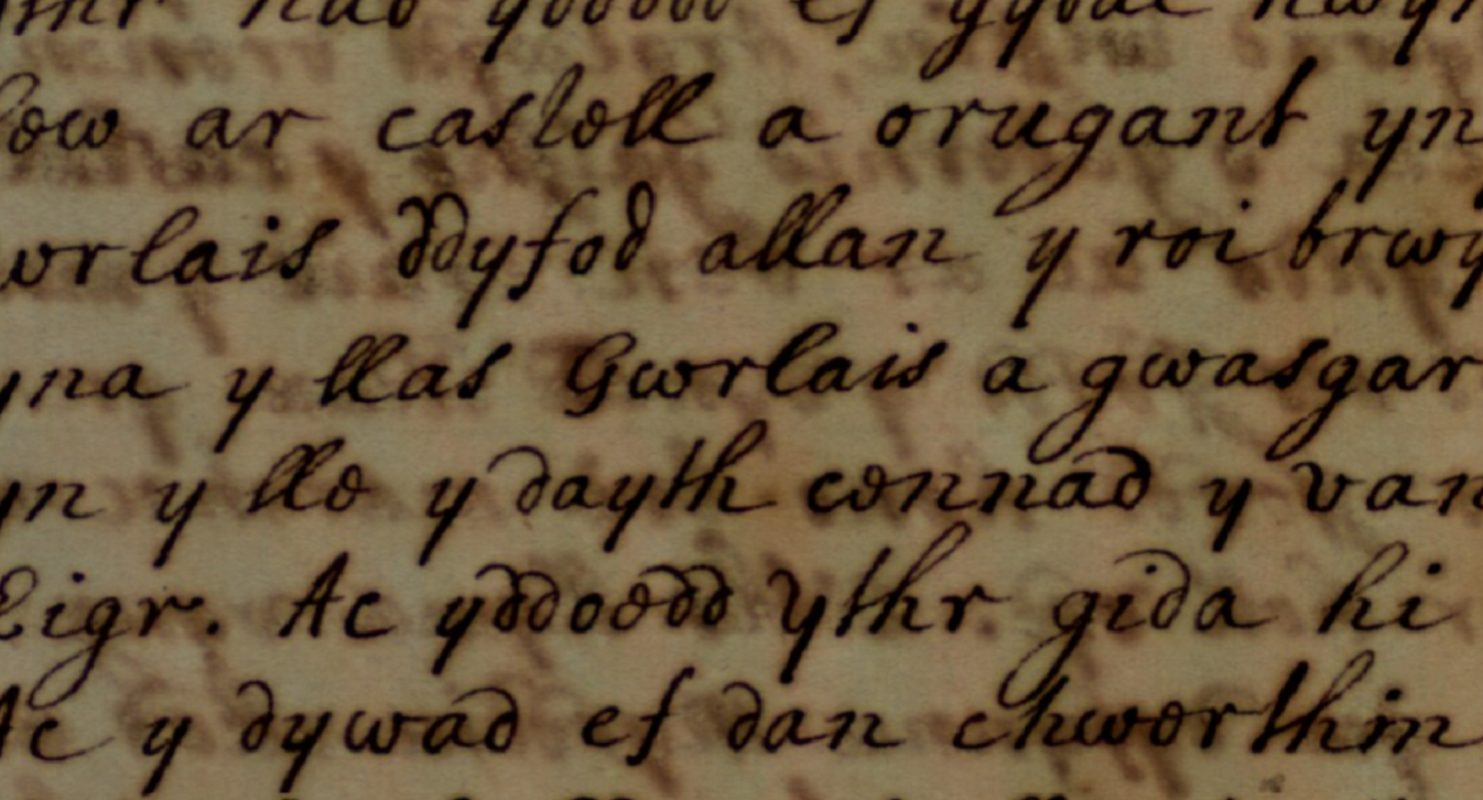
The most famous form of this figure’s name is undoubtedly ‘Gorlois’. However, this is not the only attested form. Particularly in Welsh texts, we see other spellings. These spellings include:
Gwrlois
Gwrleis
Gwrlais
Gurleis
Goulisor
However, Welsh texts are not the only ones which present other spellings for this figure. The non-Welsh Perlesvaus calls him by the spelling ‘Goloe’.
These variations may be useful to bear in mind later when we look into the question of whether or not Gorlois can be identified as a historical figure.
Interestingly, some sources provide him with names which are not alternative spellings, but simply completely different names entirely. One notable example is the Prose Merlin, which calls him Hoel. This name is usually reserved for Arthur’s nephew, as seen in Geoffrey of Monmouth’s work.
William Worcester, the English historian of the fifteenth century, called Gorlois by the completely different name ‘Tador’. However, there is reason to believe that this is simply a mistake, and that it does not reflect an authentic alternative tradition.
Geoffrey of Monmouth refers to a later duke of Cornwall in King Arthur’s reign as Cador. Since the letters ‘C’ and ‘T’ were sometimes confused in medieval manuscripts, it seems logical to conclude that William’s reference to ‘Tador’ is actually the result of a conflation between Gorlois and Cador, with the name of the latter slightly misspelt.
Gorlois’ Career
Let us now consider Gorlois’ career in depth, based on the account found in Geoffrey of Monmouth’s Historia Regum Britanniae. This is logical in view of the fact that this is the earliest known account of Gorlois from the surviving records.
The War Against Hengist
Gorlois first appears in Geoffrey’s narrative in his account of Aurelius Ambrosius’ war against the Anglo-Saxons. This Ambrosius is Geoffrey’s version of the historical war leader Ambrosius Aurelianus, whom Geoffrey presents (impossibly) as the paternal uncle of King Arthur.
After Ambrosius had returned from Brittany as an adult, he defeated the wicked king Vortigern. After this, he turned his attention to the Anglo-Saxons. It is during this war that Gorlois is first mentioned. At this time, the leader of the Anglo-Saxons was still Hengist, the one who had led them during their original arrival into Britain in c. 428.
Gorlois is only mentioned by name in a single line, in which Geoffrey tells us:
“While they were thus hotly engaged, Gorlois, duke of Cornwall, came up to them with the party he commanded, and did great execution upon the enemies’ troops.”
According to this, Gorlois arrived on the scene of the battle with his own army and successfully slew many of the Saxons. The following line reveals that the success of Gorlois’ attack emboldened the Britons so much that another British leader conducted one final charge against Hengist and managed to capture him.
Hence, according to this narrative, Gorlois was largely responsible for the defeat of Hengist, the prominent Saxon leader.
Defeating Octa and Eosa
Gorlois only reappears much later on in Geoffrey’s account. Ambrosius performs many other things, and then he eventually dies while Uther fights against the Irish and the Saxons in Dyfed. Uther is subsequently made high king of Britain in the place of Ambrosius.
At this, the Saxon leaders Octa and Eosa start attacking territory in the north, particularly the city of York. Uther goes to attack them there. The Britons successfully force them away from York and cause them to flee. Upon arriving at a certain mountain whose location is unclear, Uther gathers his men and asks for them to present their ideas. It is at this point that Gorlois reappears in the account.
Interestingly, the narrative specifically says that Gorlois was invited to offer counsel first on account of his ‘years and experience’. This tells us that Gorlois was not a young man at the time, and it also tells us that he was an experienced king. But what, exactly, did Gorlois recommend to Uther?
When Gorlois gave his counsel, it was still night. Gorlois urged the king to not wait until daybreak to attack the Saxon camp. He stated that the Saxons would never expect the Britons to attack them at night. Since the Britons were outnumbered by the Saxons, they would need every advantage they could get, meaning that attacking right away would be their best chance.
Uther accepted this idea. As Gorlois believed it would, this strategy did indeed lead the Britons to victory.
At Uther Pendragon’s Royal Court
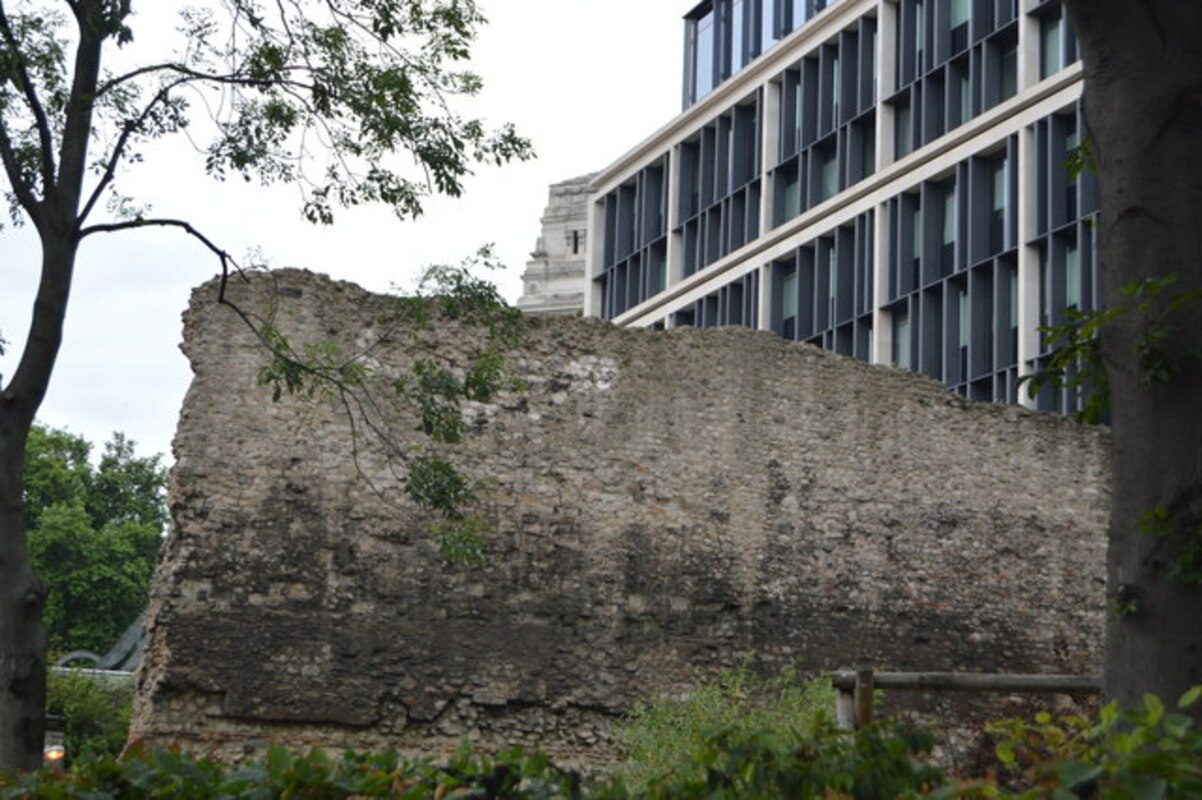
After defeating the Saxons in that northerly region, Uther settled some other issues in the north of Britain, before eventually returning south. Geoffrey describes how Uther travelled to London and sent out an invitation for all his allies to meet there for a great Easter celebration. Gorlois was one of the many who attended.
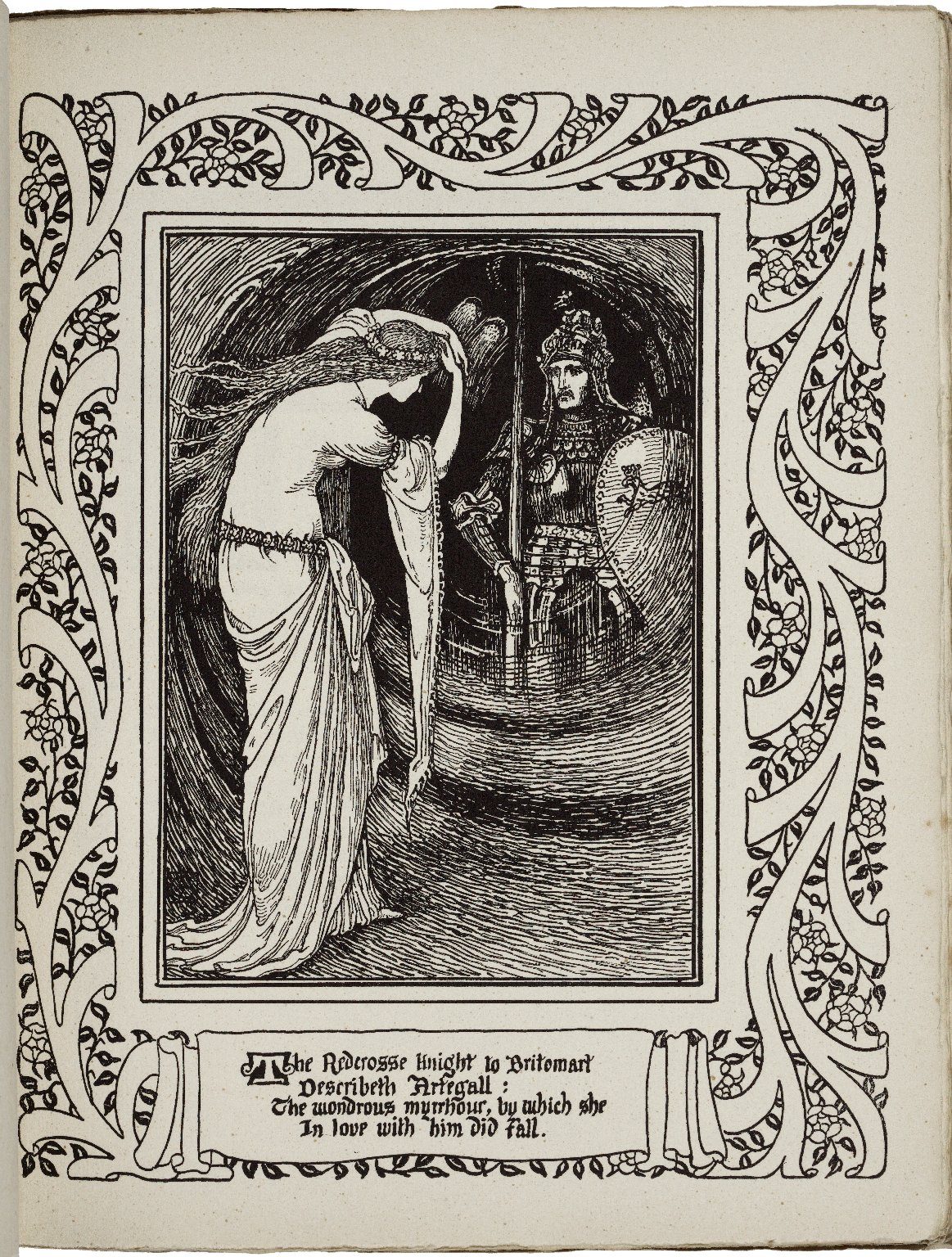
However, this event ended up resulting in war between Gorlois and Uther. Geoffrey explains that Gorlois attended the festival with his wife Igerna, the ‘greatest beauty in all Britain’. Upon seeing her, Uther fell madly in love with her.
Unfortunately, the king did not keep these feelings private. He made his passion for her very obvious by continually sending fresh dishes of food to her, sending golden cups to her, and spending all his time talking to her while at the festival. By his actions, he made it very clear that he was madly in love with Igerna.
When Gorlois discovered this, he was furious. He stormed out of Uther’s court in a rage. In turn, Uther became enraged at Gorlois upon learning of his affront to his honour. He demanded that Gorlois return to the court, but Gorlois refused.
As a result of this, Uther declared war on Gorlois.
War Against Uther Pendragon
The war that occurred between Gorlois and Uther ended up becoming a major event and had significant consequences for the rest of Britain, since it ultimately led to the birth of King Arthur.
Geoffrey’s account describes how Uther Pendragon gathered a great army and marched into Cornwall, where he then preceded to set fire to the cities and towns of that region. Gorlois, although equally enraged at Uther and eager to fight against him, saw that he was in a dangerous position and thus decided not to engage him until he could receive assistance from Ireland.
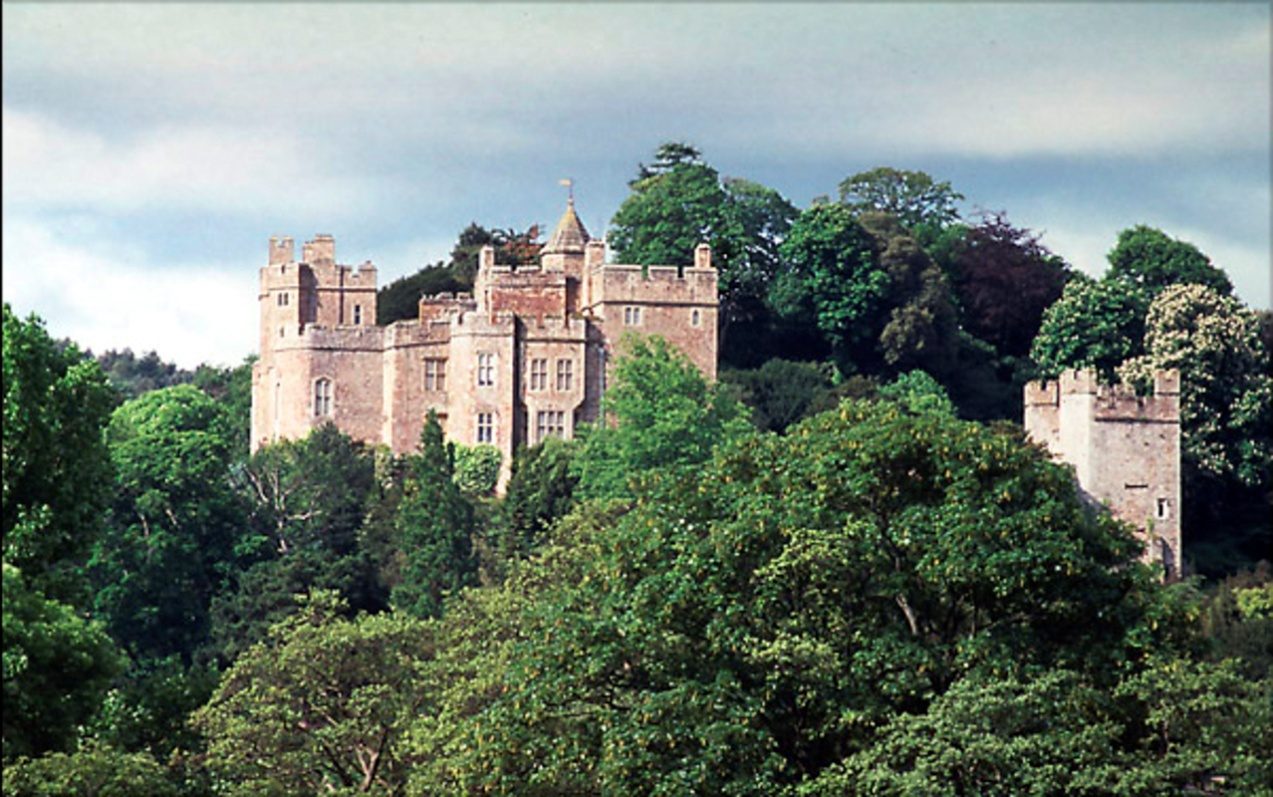
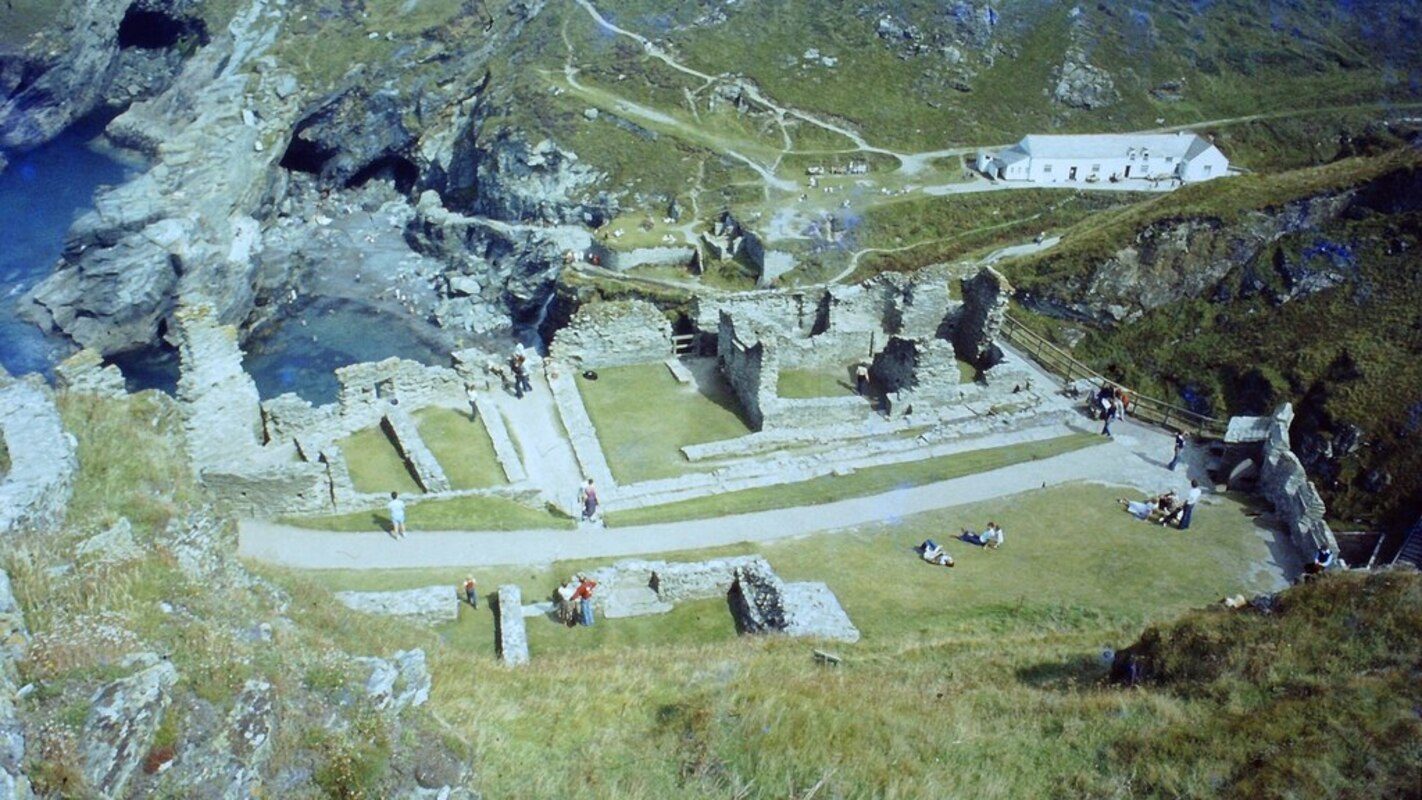
In the meantime, he attempted to fortify his cities as much as possible. Furthermore, he sent his wife to Tintagel to be kept safe from Uther’s warfare, while Gorlois himself took refuge in the castle of Dimilioc.
The war continued to rage on for a whole week, it having transformed primarily into a siege by this point. At last, Uther expressed to a counsellor called Ulfin that he was tormented inside due to Igerna being beyond his grasp. He longed to have her, and he asked Ulfin for any advice that he had to give on the matter.
Disguised as Gorlois
Ulfin’s advice was for Uther to go to Merlin for help, since Merlin was a wise magician. Uther did as Ulfin recommended, and Merlin was moved to help due to Uther’s intense love for Igerna. He explained that they would be able to gain access to Tintagel (which was extremely easy to defend from attackers due to its position) by disguising themselves using magic.
Merlin gave Uther the appearance of Gorlois and Ulfin the appearance of a certain Jordan of Tintagel, while Merlin himself took the appearance of a certain Bricel.
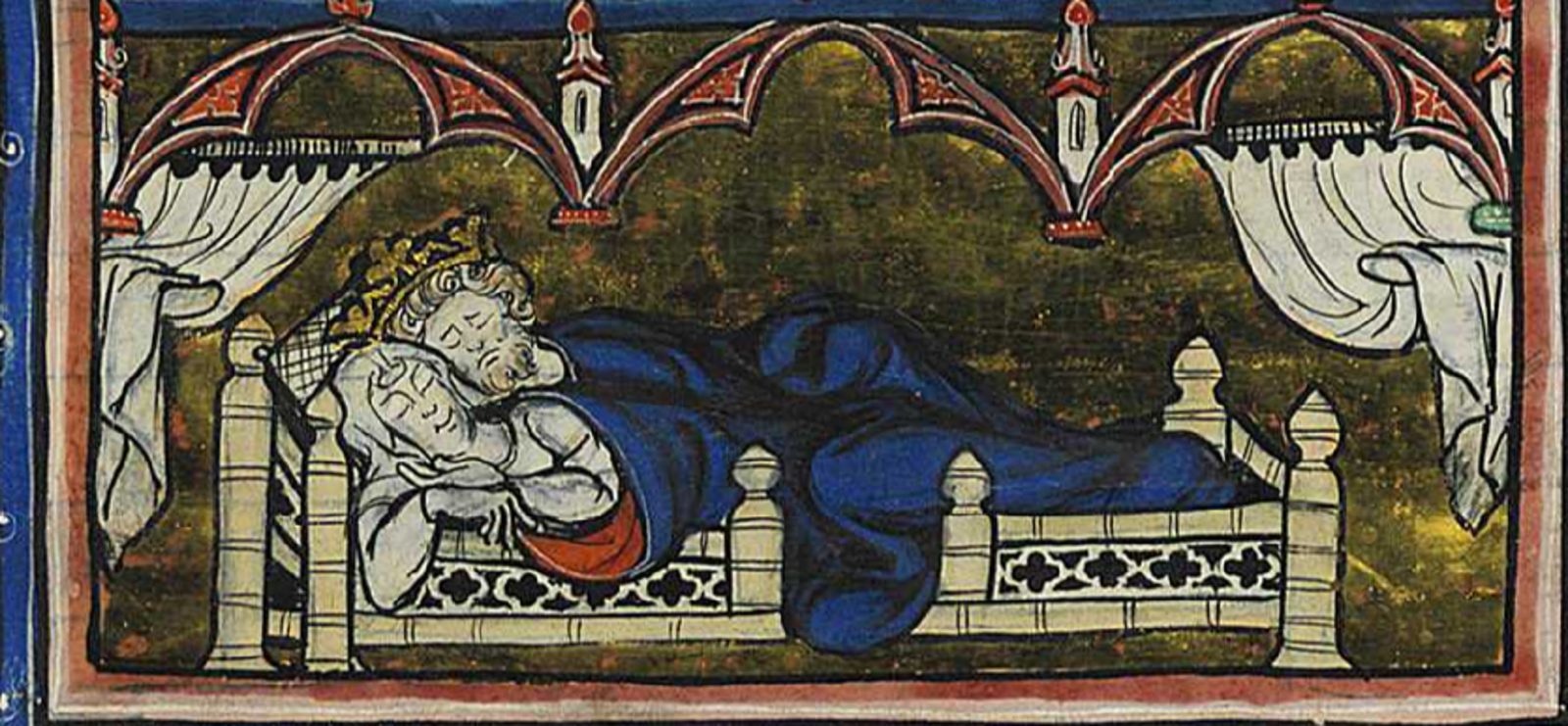
With these disguises, the three men were able to easily gain access to the castle of Tintagel. Uther, under the guise of Gorlois, met with Igerna and spent the night with her. On that night, their son Arthur was conceived.
Death
What about Gorlois himself? Geoffrey’s account goes on to explain that Uther’s men, upon noticing that the king himself was no longer with them, took it upon themselves to engage in a full attack of the castle of Dimilioc. Gorlois, likewise, decided to lead his men in a charge against Uther’s army.
As was to be expected given the size and ability of Uther’s army, Gorlois’s charge was not successful. In fact, he died at the very first clash of the two armies on that occasion. As a result, Uther’s men were easily able to storm the castle and plunder it.
After this, some of Gorlois’ men went to Tintagel to report to Igerna that Gorlois had died. They were confused that Gorlois himself appeared to be there with her, since they had left him dead on the battlefield.
Uther, still pretending to be Gorlois, assured Igerna that he would go out and would meet with Uther and make peace with him. He then left Igerna’s presence, returned to his own men outside the city of Tintagel, and returned to his form as Uther. After this, he officially took Igerna as his wife.
Aftermath of Gorlois’ Death in a Welsh Text
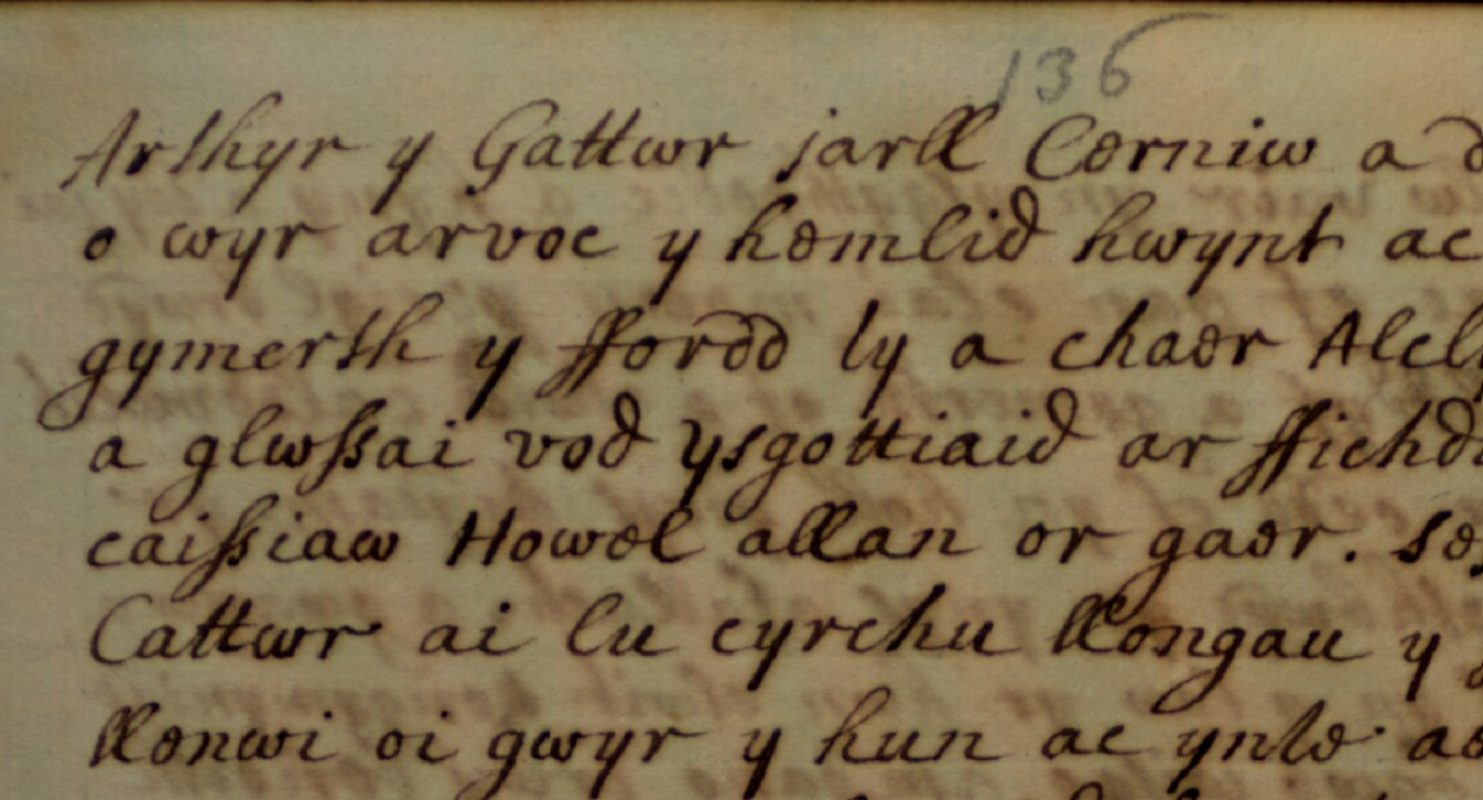
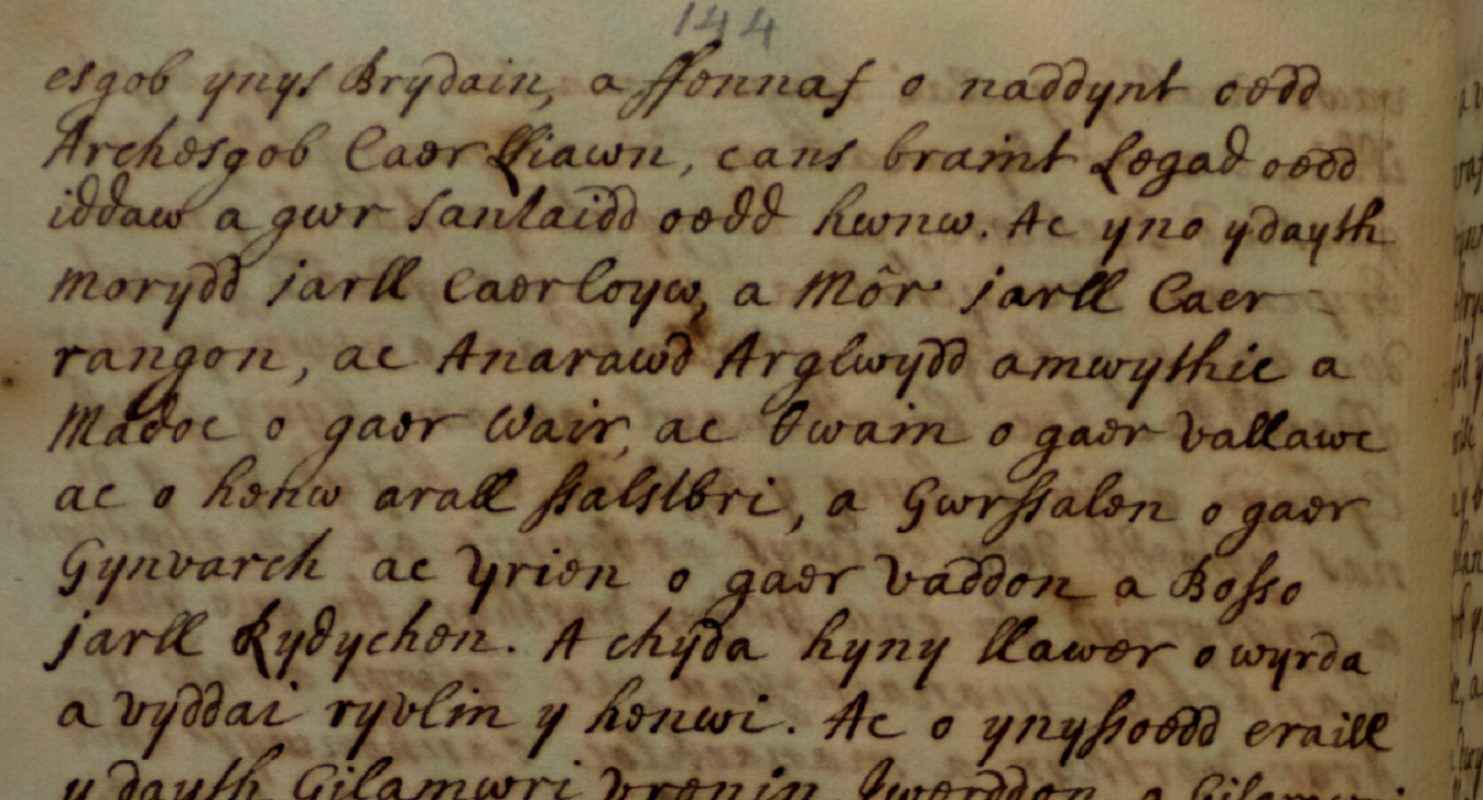
One of the few Welsh texts which include Gorlois as a character in a prose tale is known as Arthur and Kaledvwlch. This tells the story of how Arthur got his sword, Caledfwlch (that is, Excalibur) from the stone in which it was famously stuck.
However, prior to mentioning the Sword in the Stone, the text provides this interesting passage:
“And a short time afterwards he caused a feast to be prepared for the nobles of the island, and at the feast he married Eigyr and made peace with the kinsmen of Gwrleis and all his allies.”
As we can see from this, Welsh tradition claims that Uther made peace with Gorlois’ kinsmen and allies. This is a detail which is not explicitly mentioned in Geoffrey of Monmouth’s account, although it may be referenced in the part where Uther, in the guise of Gorlois, tells Igerna that he will go out and make peace with Uther.
In any case, it makes sense that peace was established given the fact that no more fighting is mentioned in Geoffrey’s account between Uther’s men and Gorlois’ men after this.
Where Did Gorlois Live?
What do we know about the territory of Gorlois? The very fact that he is called the ‘duke of Cornwall’ indicates where his territory was. Cornwall is the westernmost county in the West Country.
Tintagel
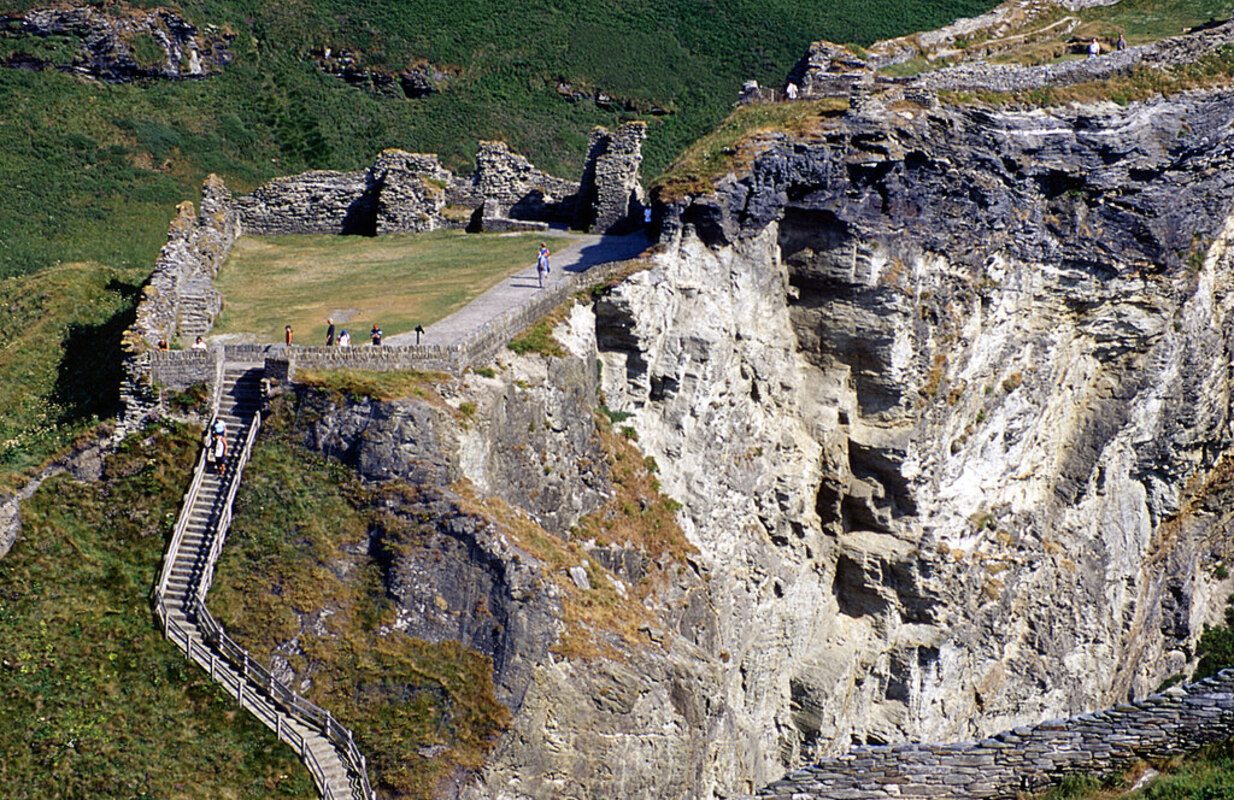
The fact that Gorlois had power over that area is supported by the fact that Geoffrey presents one of his castles as being Tintagel, a prominent site in Cornwall. Notably, modern archaeological research has revealed that Tintagel was indeed a major centre of power in Dark Age Dumnonia, including specifically in King Arthur’s time.
Although it is true that Geoffrey often makes geographical mistakes, particularly by mistranslating place names, the connection between Gorlois and Tintagel is convincing. As well as the aforementioned archaeological evidence, the Welsh text Arthur and Kaledvwlch reaffirms Gorlois’ association with Tintagel.
Given that Welsh texts regularly exchange Geoffrey’s place names for different ones when Geoffrey contradicts existing Welsh tradition, the fact that Tintagel is preserved here indicates that it is accurate – or at least, it is not contradicted by pre-Galfridian Welsh tradition.
Dimilioc
Gorlois himself, as we saw earlier, sought refuge with his army in the castle of Dimilioc. This appears to be identifiable as the location known today as the St Dennis hill fort. In the Doomsday Book, this appears as ‘Dimelihoc’. Other old spellings include ‘Dimilioc’, ‘Dynmyliek’, and ‘Domeliock’.
This is located about 20 miles, or a day’s walking distance, from Tintagel. This indicates that Gorlois’ power extended over at least a reasonable portion of central Cornwall.
Gwent
Based on the details provided by Geoffrey of Monmouth (and supported by the Welsh text Arthur and Kaledvwlch), there is good reason for placing Gorlois’ territory at least partially in Cornwall. However, this does not mean that he only held land in that region.
In fact, there is a distinct possibility that Gorlois’ primary territory was not Cornwall at all, but Gwent. What is the basis for saying this?
The key piece of evidence supporting this conclusion is that a medieval Welsh genealogical record places Gorlois in the line of the kings of Glywysing (Glamorgan) and Gwent. This would suggest that Welsh tradition remembered Gorlois as a prince from southeast Wales, not Dumnonia.
Cernriw in Gwent
There are a variety of factors that make this a fairly logical conclusion. For one thing, there is strong evidence that there was a region of Gwent historically known as ‘Cerniw’, which is also the medieval Welsh name for Cornwall. In fact, rather than just being a large region within Gwent, it is possible that this was an alternative name for Gwent itself, although this is uncertain.
Even today, there exists an area known as Coedkernew in southwest Gwent, near Newport. In the Book of Llandaff, there is a reference to a place called Llan Cerniu in the north of Gwent.
Furthermore, the Descent of the Men of the North refers to a certain Tudfwlch as the ‘prince of Cerniw’. This Tudfwlch is identifiable as Teithfallt, a king of southeast Wales. This would indicate that Cerniw was a prominent region within his kingdom, which would logically be the Cerniw within (or synonymous with) Gwent.
Rulers of Gwent in Cornwall
Another point worth addressing is the question of whether or not it would have been plausible for a ruler in southeast Wales to have also held power in Cornwall. There are a variety of records which support the conclusion that this did, in fact, occur with some frequency.
For example, a record which refers to Cornwall in the very same period as the story of Gorlois is the Life of St Gwinear. This tells the story of a large group of missionaries being attacked by a king active in Cornwall named Theodoric. Everything indicates that this Theodoric should be identified with King Tewdrig of Gwent, the son of the aforementioned Teithfallt.
Another example is seen from the children of Glywys, a ruler in southeast Wales in the late fifth century. One of his children was Petroc, and he is recorded as moving to Cornwall and establishing himself there, although this was as a religious teacher rather than a king. Nevertheless, this is merely one example of the strong connections that existed between Cornwall and southeast Wales in the Arthurian period.
Therefore, there would have been nothing unusual or surprising about Gorlois being a prince of southeast Wales and ruling over Cerniw in Gwent, while also holding power over some territory in Cornwall. His position as ‘duke of Cornwall’, therefore, may actually be a reference to the Welsh Cerniw.
When Did Gorlois Live?
Another important question to establish is, When did Gorlois live? His placement in the early Arthurian period should place him in roughly the fifth or sixth centuries, but can we be more specific than that?
Fortunately, the Historia Regum Britanniae (in conjunction with other records) provides us with a reasonable amount of information to help us with this issue.
Dated Relative to Hengist
Firstly, there is the fact that he was already an active warrior in the time of Hengist’s defeat.
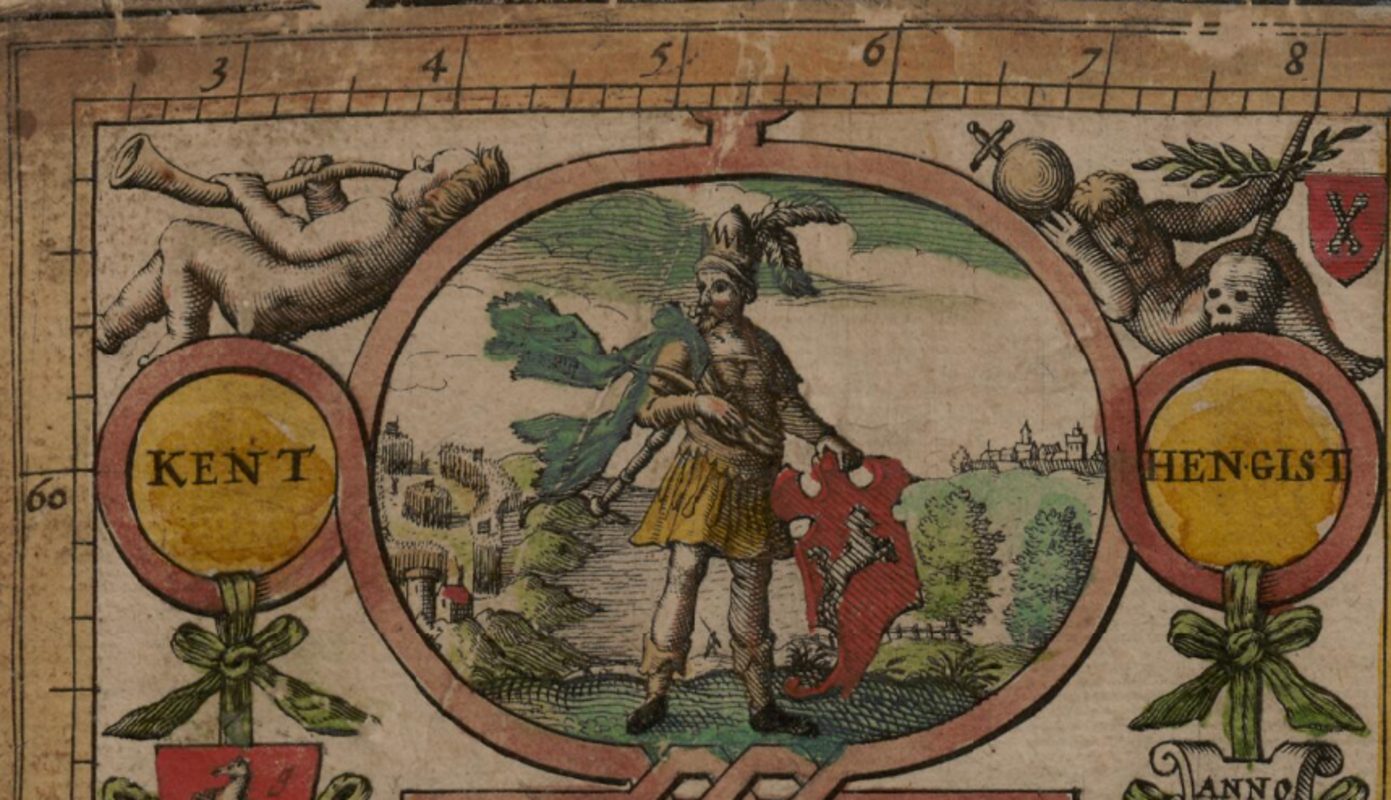
Hengist led the Anglo-Saxons to Britain upon their initial arrival, which appears to have been in c. 428 on the basis of evidence from archaeology, two fifth-century records, and the Historia Brittonum. Hence, Hengist must have already been an adult by that time.
Bede’s chronological record tells us that Ambrosius Aurelianus (the one who defeated Hengist in battle according to the Historia Brittonum) fought against the Anglo-Saxons in the reign of Emperor Zeno, which lasted from 474 until 491.
When exactly Hengist died, we do not know. However, the Anglo-Saxon Chronicle places the accession of Hengist’s son Oisc in 488, so Hengist’s death was almost certainly earlier than that. This makes sense in view of him already being an adult leader by 428, when the Anglo-Saxons arrived.
Since Bede places Ambrosius Aurelianus’ Saxon campaigns in the reign of Zeno, this would indicate that Hengist could not have died prior to 474. This harmonises well with the fact that the last mention of Hengist in the Anglo-Saxon Chronicle is dated to 473.
Therefore, we can place the death of Hengist between approximately 474 and 488. For simplicity, we will use the midway point, 481, in our calculations of Gorlois’ age.
What This Means for Gorlois’ Chronology
As we saw earlier, the account in the Historia Regum Britanniae shows that Gorlois was already a warrior active in battle by the time of Hengist’s death. This would indicate that he was at least twenty years old at the time.
Therefore, if we use c. 481 as the likely date for the death of Hengist, then this would mean that Gorlois should have been born in about 461, although he easily could have been born even earlier.
Dated Relative to Uther’s Accession
Another reference point is the accession of Uther Pendragon. After Ambrosius died, Uther was appointed king in his place. Geoffrey of Monmouth’s account tells us that Ambrosius’ death was marked by the appearance of a comet in the sky.
When we look at records of the fifth and sixth century in the years following 481, there is a likely match for this comet. In a sixth century Byzantine record, the appearance of a comet is noted as having occurred in the year 499. A later medieval record also notes the appearance of a comet in about that same year.
Ambrosius’ death is unlikely to have occurred much later than that year, since he was probably born in c. 420 going by the fact that the Historia Regum Britanniae presents him as being a child when Vortigern came to the throne. Therefore, he would have been about eighty years old when that comet appeared.
Recall that Geoffrey strongly implies that Gorlois was an experienced king at the time that Octa and Eosa were defeated. While it is impossible to put an exact figure on when he should have been born, it seems reasonable to conclude that he may have been forty or fifty years old, if not older. If that defeat occurred in c. 500, then Gorlois should probably have been born in c. 450 or so.
The account in Geoffrey’s work does not say exactly how long passed between the accession of Uther and the war against Gorlois. However, it was evidently a matter of several years at least.
We can discern this from the fact that immediately after Ambrosius’ death, Uther is described as subduing the Picts in the north and ‘establishing peace’ in that country. Geoffrey concludes this brief description by referring to when Uther had “at last” restored peace to that region, he went to London to arrange the Easter festival.
What This Means for Gorlois
Therefore, we can probably place the war between Gorlois and Uther a few years after 499. Since Gorlois was apparently born in c. 450, this means that he may have been just over fifty years old at the time of his death at the hands of Uther.
False Children
There are some very pervasive traditions about Gorlois which need addressing. In many medieval sources, he is made the father of Cador, the duke of Cornwall in King Arthur’s time, and he is also made the father of Morgause and Morgan. These latter two are generally presented as the older half-sisters of Arthur.
In Welsh tradition, such as the aforementioned Welsh tale Arthur and Kaledvwlch, these two sisters are named Gwyar and Morgan. Just like in the non-Welsh romance tales, they are presented as Arthur’s older half-sisters, the daughters of Gorlois and Igerna.
In reality, when we examine the earliest evidence, it is clear that this is a false tradition. Not only were Gwyar and Morgan not the older half-sisters of Arthur, but Cador the duke of Cornwall was also not the son of Gorlois.
Cador’s True Parentage
The idea that Cador was the son of Gorlois is based simply on the fact that Geoffrey of Monmouth presents Gorlois as the duke of Cornwall in the reign of Uther, and then he presents Cador as the duke of Cornwall in the reign of Arthur.
Hence, it is ostensibly obvious and logical that Cador should be identified as the son of the previous person who held his position. In reality, though, Geoffrey never describes Cador as the son of Gorlois.
Later on, Geoffrey presents Cador’s son Constantine as the successor to Arthur. Based on his description in that passage, it is obvious and universally accepted that this is the same Constantine mentioned by Gildas in the sixth century.
Gildas presents Constantine as the king of Dumnonia, which was a large kingdom encompassing much of the West Country, far more than just Cornwall. Hence, while Geoffrey’s account does not reveal anything about how large Gorlois’ territory was, it is evident that Cador, the father of Constantine, is supposed to be the king of all of Dumnonia.
There are several Welsh and Latin records which present a certain Cado, Cadwy, or Catovius as being the king of Dumnonia and ally of King Arthur. One spelling of his name which appears in the Welsh records is ‘Gadwr’. It is obvious that this is the historical figure behind Geoffrey’s Cador, duke of Cornwall.
The records about Cado firmly establish that he was the son of a king of Dumnonia called Geraint. Gorlois, therefore, was not the historical father of Cador.
Gwyar and Morgan’s True Parentage
What about Gwyar (or Morgause) and Morgan, the supposed older half-sisters of King Arthur? This, again, derives largely from some misinterpretations of Geoffrey’s Historia Regum Britanniae.
According to Geoffrey’s account, Arthur had a sister named Anna. She is presented as marrying Lot of Lothian while Uther was still alive. Bear in mind that Geoffrey places Uther’s death fourteen years after he took Igerna as his wife.
However, Geoffrey also refers to Arthur having a nephew named Hoel from Brittany. He was said to have been born from Arthur’s sister, left unnamed in the account. Since Geoffrey only specifically names Anna as a sister of Arthur, it was commonly assumed that Anna must have been the sister who gave birth to Hoel, son of Budic.
However, since Anna is also presented as the wife of Lot throughout Arthur’s reign, while Hoel is already an adult during his Saxon wars, this would imply that Anna must have married Budic of Brittany prior to her marriage to Lot.
Since Geoffrey presents Anna as already married to Lot before Arthur was even fourteen years old, the most reasonable way of interpreting this appeared to be that she was an older half-sister of Arthur, the daughter of Gorlois and Igerna.
In reality, everything indicates that Geoffrey’s account of Lot as already the son-in-law of Uther Pendragon before Arthur’s accession is entirely unhistorical. See the article Gwyar, Sister of King Arthur for a full examination of this topic.
Since Lot was the brother of Urien Rheged, who was definitely a mid- to late-sixth century king, Gwyar must have been born well after Arthur, not before.
As for Morgan, she seems to have been unrelated to Arthur’s dynasty. The evidence from Welsh records suggests that she was the daughter of King Afallach from the north of Britain.
Was Gorlois, Duke of Cornwall, a Real Person?
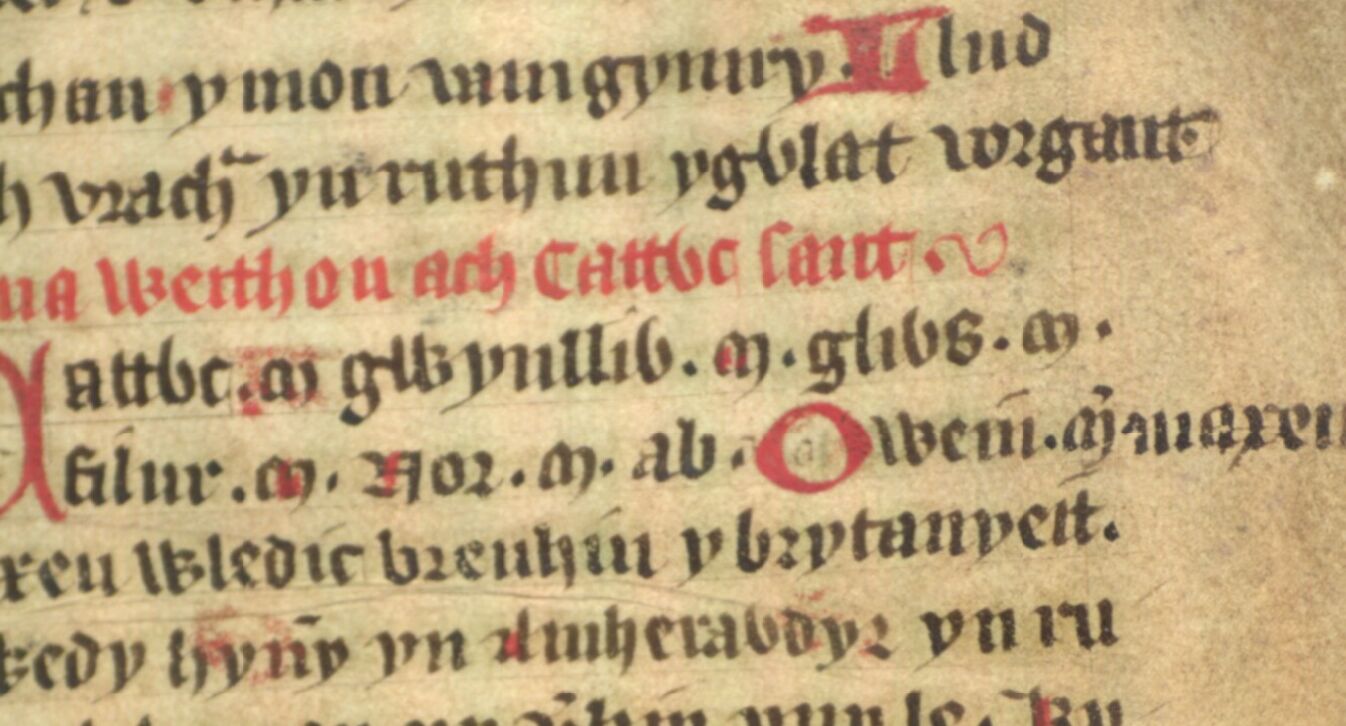
Is there any evidence that Gorlois was a historical figure? At first glance, this seems unlikely, since he does not appear in any Welsh tradition prior to or independent of Geoffrey of Monmouth’s Historia Regum Britanniae. Unlike in the case of rulers of Dumnonia such as Cador and Constantine, there are no Latin hagiographies or Welsh texts which mention Gorlois.
Evidence from a Welsh Genealogy
However, this does not necessarily mean that he was not a real person. As mentioned earlier, there is one Welsh record which places Gorlois in the line of kings of Glywysing, which does not display any influence from Geoffrey of Monmouth in the list of names prior to Gorlois.
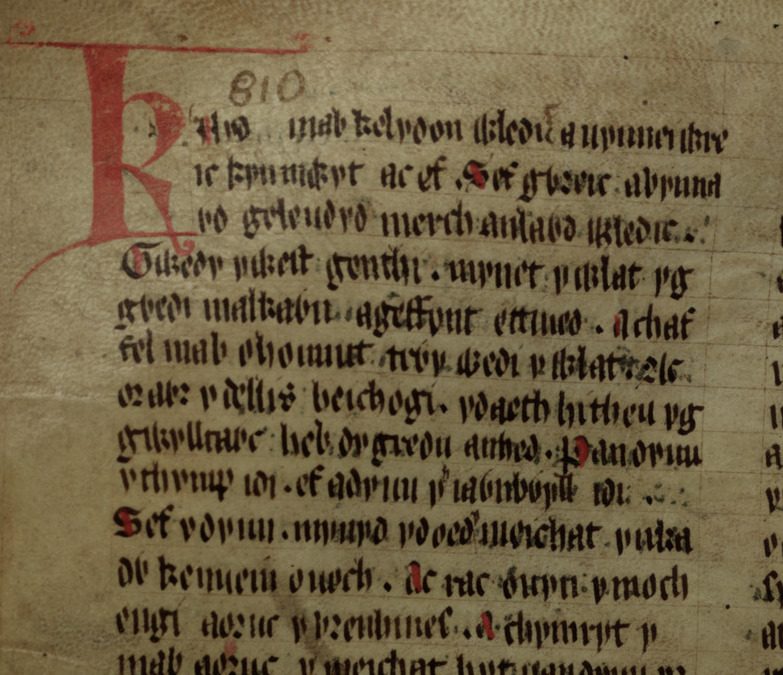
The record in question presents the following genealogy:
Gorloys ap Sartogys ap Pandwlff ap Gerdan ap Selor ap Mor ap Owen ap Maxen wledig
This genealogical record makes Gorlois the seventh generation descendant of Magnus Maximus, the Maxen Wledig of Welsh tradition. The earliest part of this genealogy, from Maxen to Selor, appears in several other records, such as the Jesus College MS 20 and the Life of St Cadoc.
However, the rest of this genealogical record up until Gorlois is unknown. Interestingly, placing Gorlois seven generations after Magnus Maximus (emperor from 383 until 388) would place Gorlois’ birth much too far forward. Even if he was a young and inexperienced king by the time of Hengist’ defeat, he still could not possibly have been a seventh generation descendant of Maximus.
Understanding This Genealogy
This suggests that the genealogy is defective somehow. It evidently has too many generations. While rare, this would not be the only example of this in the Welsh records.
A comparable example appears in the Harleian MS 3859, which presents a greatly extended genealogy of Magnus Maximus. It presents him as the descendant Constantine the Great through his son Constans, placing six generations between Constans and Maximus.
Since Constans was born in 323, while Magnus Maximus was already serving alongside Theodosius in warfare in the 370s and is often thought to have been born in c. 335, this lineage is blatantly impossible. Constans could hardly have even been the father of Maximus, let alone his seventh generation ancestor.
Therefore, the extra names between Maximus and Constans, or even Constantine, can be discarded as errors. How they arose, we do not know. In any case, the same process, or a similar one, evidently resulted in Gorlois’ genealogy being greatly expanded.
How This Points to Gorlois’ True Identity
When we bear in mind the evidence that Gorlois’ birth should be placed in c. 450, this helps us to correct the genealogy and ascertain who Gorlois may be identified with. In earlier records, the figure of Selor (usually spelt ‘Solor’ in modern sources) is given a son named Glywys. According to Peter Bartrum’s A Welsh Classical Dictionary, Glywys would likely have been born in c. 430.
In reality, a somewhat later date is preferable. This is evident from the fact that the Jesus College MS 20 makes Glywys’ wife the fifth generation descendant of Cunedda, born c. 370, indicating that she herself was born in c. 470-480. Hence, placing Glywys birth further forwards than 430, towards c. 450, makes more sense.
As we can see, this is a perfect match for Gorlois’s expected birth. This makes it especially noteworthy that their names are very similar. It would not be a stretch for Geoffrey of Monmouth to have corrupted the name of Glywys into ‘Gorlois’, especially in view of even greater corruptions that he can be shown to have made.
Other Evidence for Gorlois’ Identity as Glywys
There are a variety of other reasons why it makes sense to identify Glywys as the historical figure behind the character of Gorlois. For a full explanation of them, see the article Did Gorlois, Duke of Cornwall, Really Exist?
In summary, some of the other reasons to identify Gorlois as Glywys are as follows: Firstly, Glywys is recorded as ‘Glywys Cerniw’ and ‘Glywys Cornubiensis’, making it easy and logical for him to have been recorded as ‘duke of Cornwall’.
Secondly, he is recorded as being a martyr, indicating that he died in a memorable battle. Thirdly, his wife is recorded as being named ‘Gwawr’. This can arguably be understood as the origin of ‘Egyr’, the name of Igerna in Welsh tradition.
Furthermore, his status as a major king of southeast Wales makes sense of his prominence as an ally of Uther Pendragon in the legends. There is also evidence that he held some power over at least part of Cornwall, fitting Gorlois well.
Conclusion
In conclusion, Gorlois was the duke of Cornwall in Geoffrey of Monmouth’s Historia Regum Britanniae. He was an important ally of Arthur’s dynasty, having served alongside Ambrosius and Uther Pendragon. Due to Uther’s passion for his beautiful wife, Igerna, war broke out between the two leaders. This eventually led to Uther killing Gorlois and taking his wife for himself, leading to the birth of King Arthur.
While there is debate about the historicity of Gorlois, the evidence strongly suggests that he can be identified with Glywys, a king of southeast Wales in the late-fifth, early-sixth centuries. As well as having territory in southeast Wales, he also appears to have held control of some parts of Cornwall.
Sources
Bartrum, Peter, A Welsh Classical Dictionary, 1993
Bromwich, Rachel, Trioedd Ynys Prydein: The Triads of the Island of Britain, 2014
Howells, Caleb, King Arthur: The Man Who Conquered Europe, 2019
Cylchgrawn Llyfrgell Genedlaethol Cymru, The National Library of Wales Journal, Volume 13, 1964
https://www.maryjones.us/ctexts/genealogies.html https://www.maryjones.us/ctexts/jesus20gen.html
https://en.wikisource.org/wiki/The_Anglo-Saxon_Chronicle_(Giles)