Was Gorlois, Duke of Cornwall, a Real Person?

Gorlois, the duke of Cornwall, is a figure in the Arthurian legends whose historicity is debated. Some believe that he was a fictional character invented by Geoffrey of Monmouth, whereas others believe that there are faint traces of his historicity in some of the place names of Cornwall. Another perspective is that he can be identified as a historical figure from other records. Which conclusion is best supported by the evidence?
Who Was Gorlois, Duke of Cornwall?
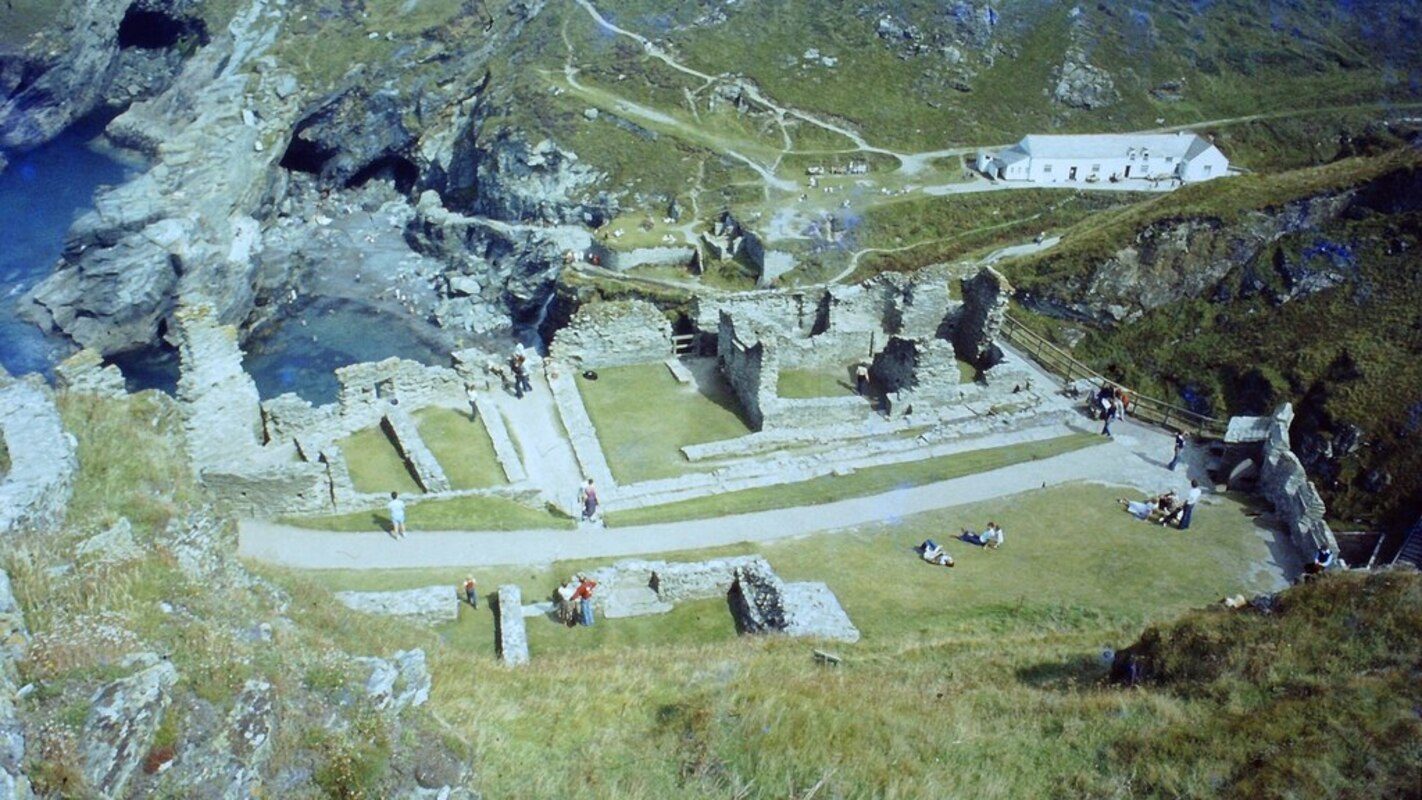
Gorlois is a character who first appears by that name in the writings of Geoffrey of Monmouth, in his 1137 publication Historia Regum Britanniae. Geoffrey presents him as the duke of Cornwall from the time of Ambrosius’ defeat of Hengist through to the conception of Arthur.
This would make him the duke of Cornwall from at least as early as c. 480, when Hengist was likely defeated, until c. 500. We will examine the basis for these dates further on.
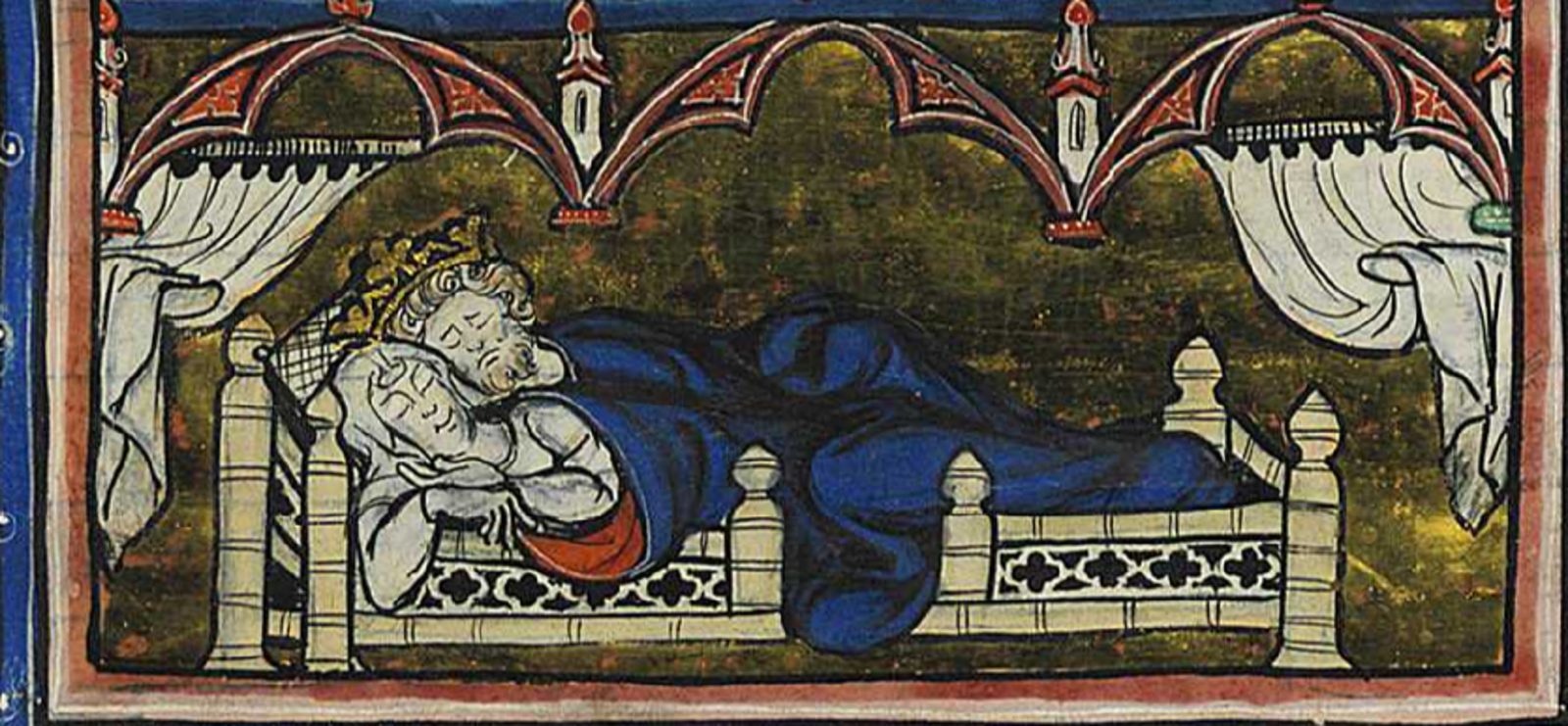
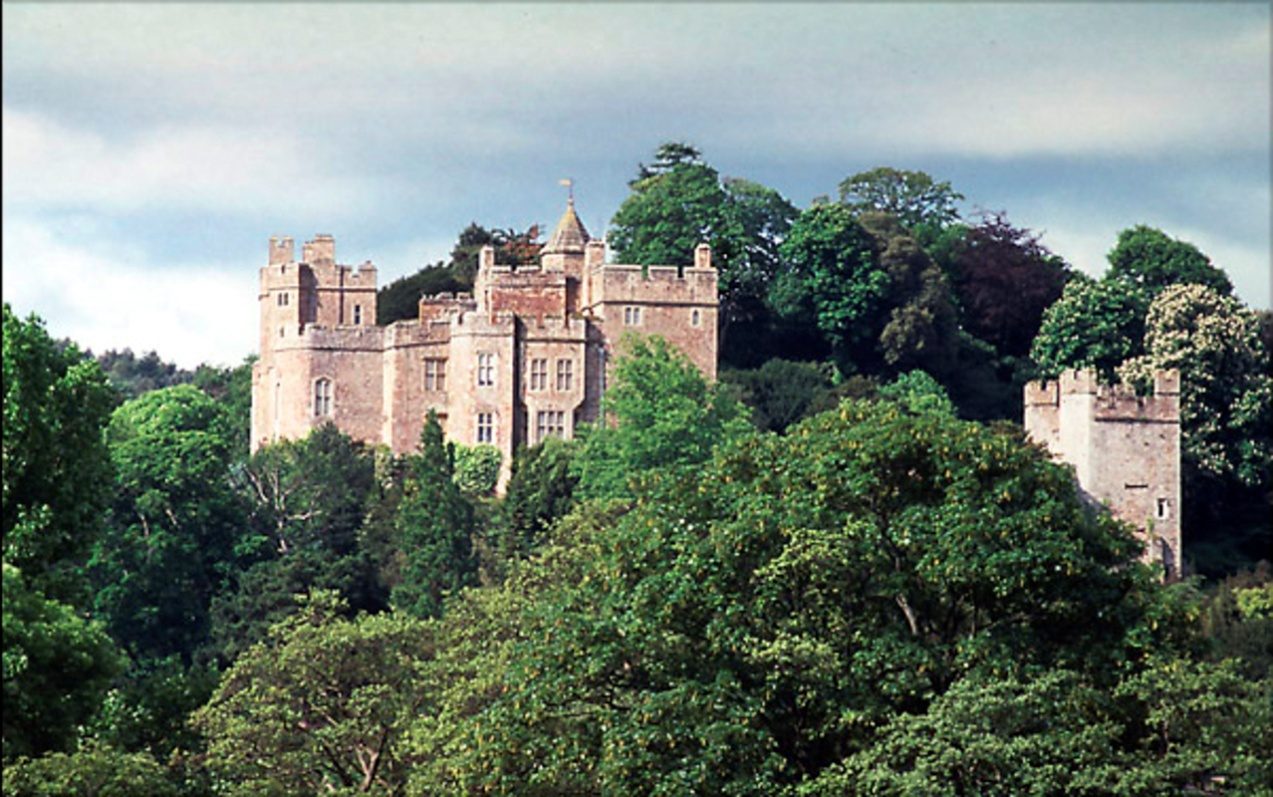
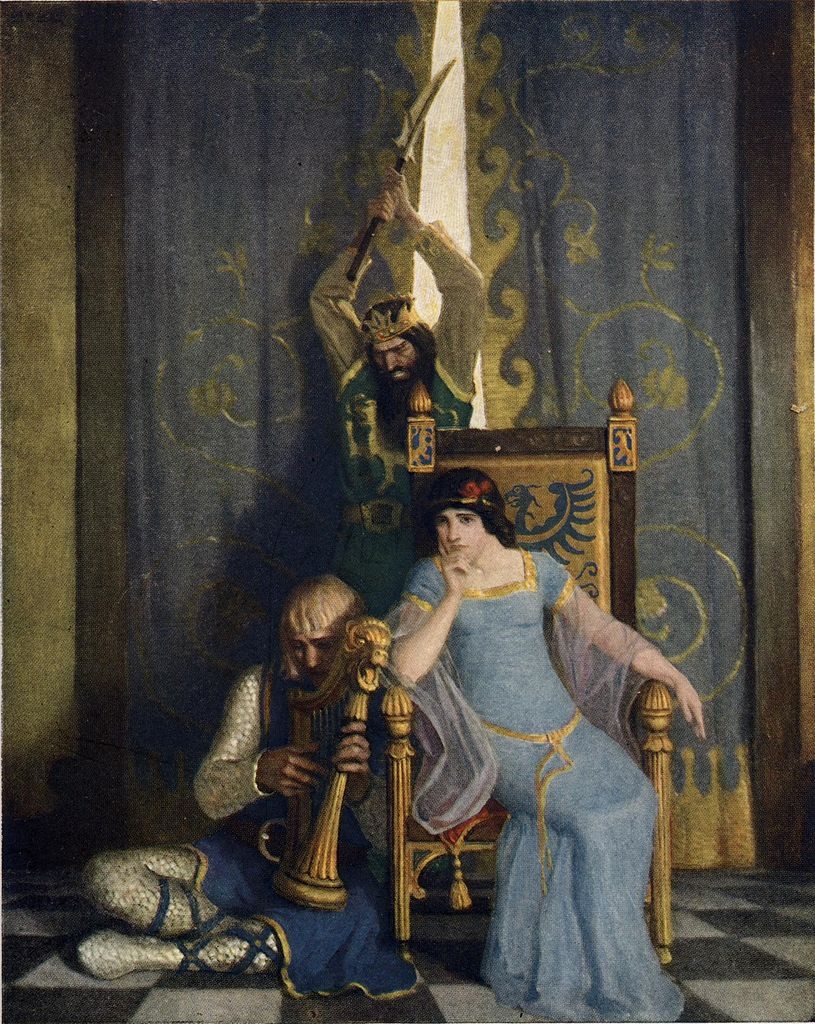
According to Geoffrey’s account, Gorlois was an ally of Arthur’s dynasty for some time. However, after Uther fell in love with Gorlois’ wife Igerna, war broke out between the two of them. This war involved Uther attacking Gorlois’ territory, and it resulted in the death of Gorlois himself, while his wife Igerna was taken by Uther.
The Debate Surrounding Gorlois’ Historicity
Many of the figures who appear in Geoffrey of Monmouth’s Historia Regum Britanniae can be shown to be historical figures, not fictional characters. Examples include Urien, Maelgwn, Constantine, Dubricius, and Samson of Dol. Therefore, there is the distinct possibility that any given character in his account might be historical.
Of course, in the absence of any clear reference to any given figure from before Geoffrey wrote his influential book, such a figure’s historicity is open to serious doubt. This is why Gorlois’ historicity is questioned. He does not appear in any pre-Galfridian text, at least not unambiguously.
Some researchers try to identify him with one or more figures who do appear in pre-Galfridian sources but with slightly different names. The fact that their names are not simply ‘Gorlois’ is what makes these identifications open to doubt.
On the other hand, some researchers do not believe that Gorlois can be identified in any sources prior to Geoffrey of Monmouth, but they argue that there are traces of his existence in the place names of Cornwall.
Currently, the existence of Gorlois is not widely accepted. Nevertheless, in this article we will examine the various theories about his potential historicity.
Place Name Evidence
The most common argument put forward in support of Gorlois’ historicity is place name evidence. This evidence is mentioned by scholars such as Peter Bartrum, Charles Henderson, R W Dunning, David Nash Ford, and Nikolai Tolstoy.
Near Castle Dore is a place currently known as Carharles. This location has also been recorded as ‘Carhurles’. According to one source, it was first recorded in 1540, while Peter Bartrum states that it was first recorded in the thirteenth century. In any case, it has been argued that this preserves the personal name ‘Gorlois’.
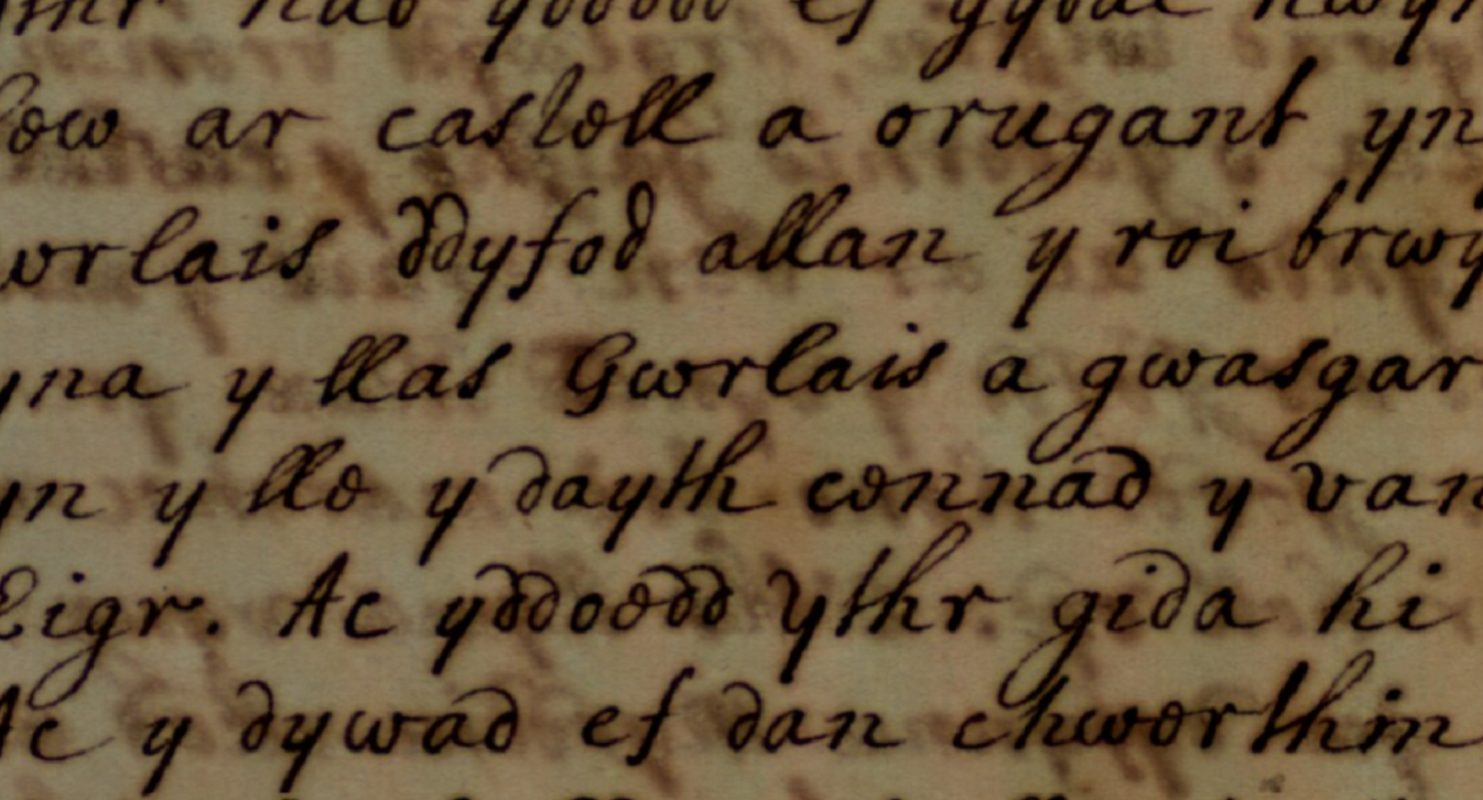
The logic behind this etymology is that the first element, ‘Car’, is clearly the equivalent of the Welsh ‘Caer’, meaning ‘fort’. Therefore, this appears to be the ‘Fort of Hurles’. The latter element, ‘Hurles’ or ‘Harles’, is arguably similar to ‘Gwrleis’ (as Gorlois’ name sometimes appears in Welsh texts). This is especially so when we bear in mind that an initial ‘G’ was often dropped, which would leave ‘Wrleis’.
Another place name which has been argued to be connected to Gorlois is Treworlas. The argument here is essentially the same as in the case of Carharles. The first element ‘Tre’, is a common place name prefix which means ‘settlement’. Therefore, ‘Treworlas’ is interpreted as ‘Settlement of Gorlois’, the ‘Worlas’ part being argued to match ‘Wrleis’ or ‘Wrlais’ (another spelling of Gorlois’ name found in the Welsh texts).
Problems with These Arguments
While some scholars support these arguments, many others do not. There are at least two problems with this case for Gorlois’ historicity.
The first is that there are other proposed etymologies for these place names. For example, Heritage Gateway asserts that the origin of this place name is from “the compound horth-lys ‘ram’s court’.” The Bristol and Gloucestershire Archaeological Society also takes this view. Therefore, there is no guarantee at all that these place names actually preserve the name ‘Gorlois’.
Secondly, even if these place names could be linked to the name ‘Gorlois’, this would not prove that the Arthurian character of Gorlois was actually a real person. It would simply prove that the name, which appears to be otherwise unattested outside of Geoffrey’s Historia Regum Britanniae, was a real name and not one that Geoffrey invented.
In fact, evidence that actively argues against these place names being traces of Gorlois’ existence is the fact that they are nowhere near Tintagel. In fact, they are near the opposite coast of Cornwall, far away from the castle with which Gorlois is associated in the legends.
On the basis of these factors, the argument for Gorlois’ historicity based on place name evidence is very weak.
Ricca of Welsh Tradition
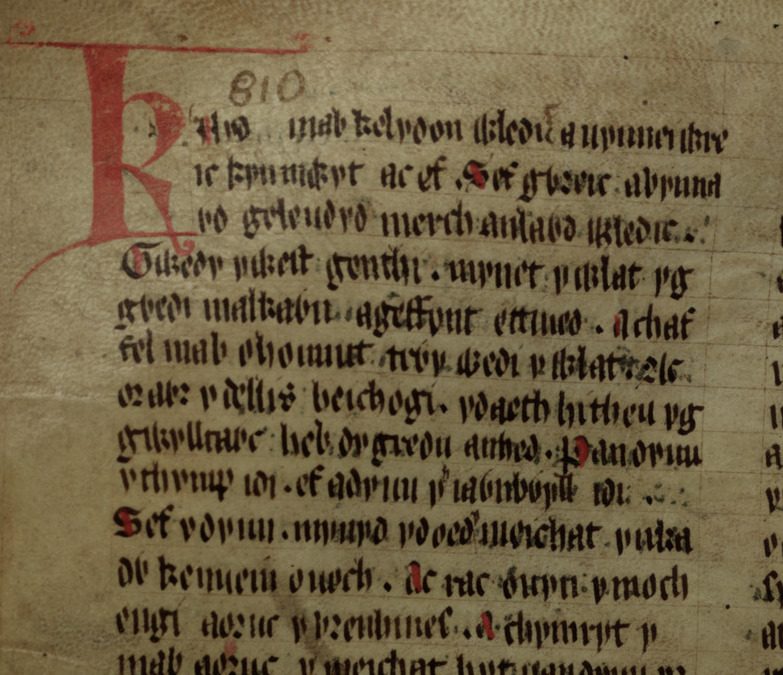
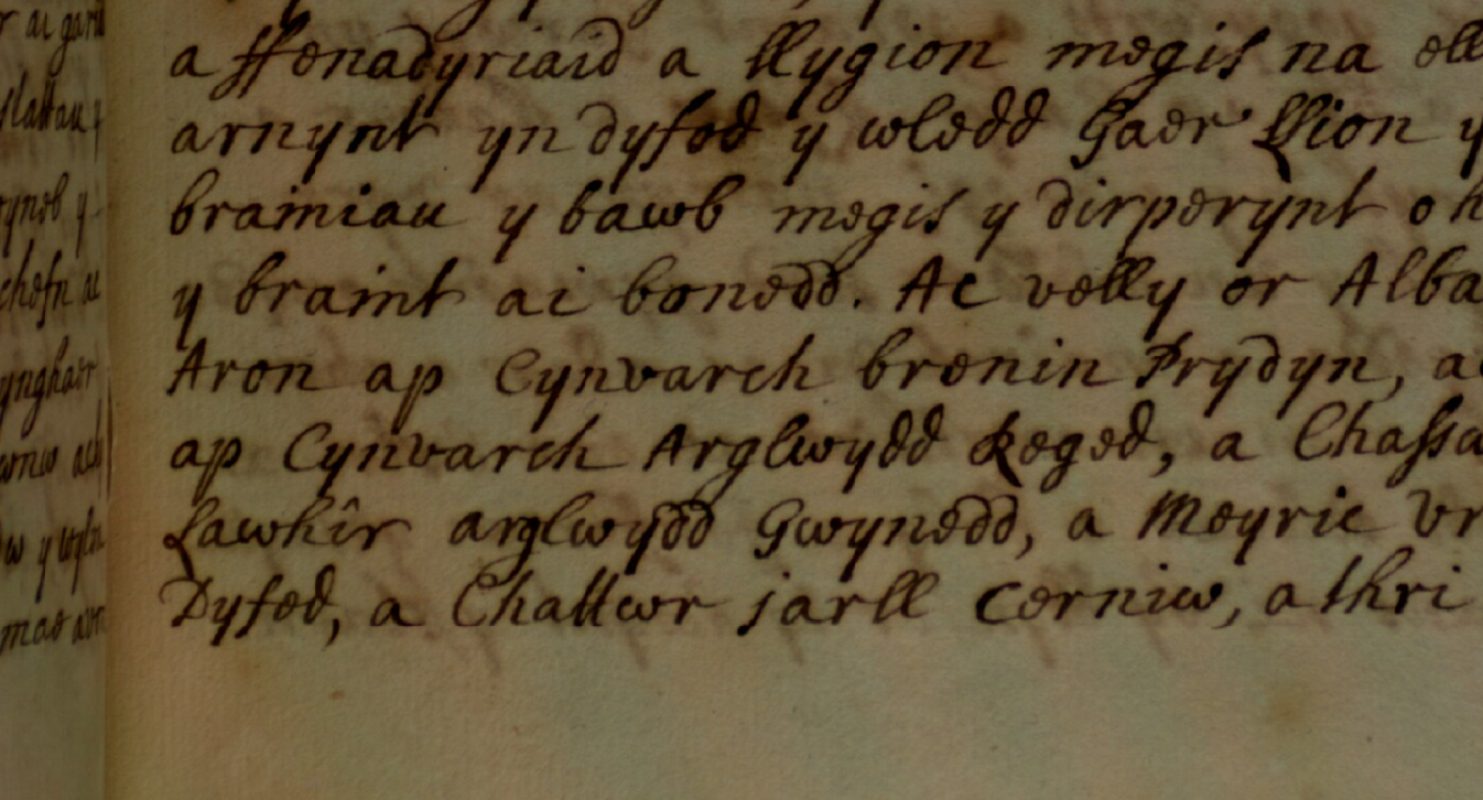
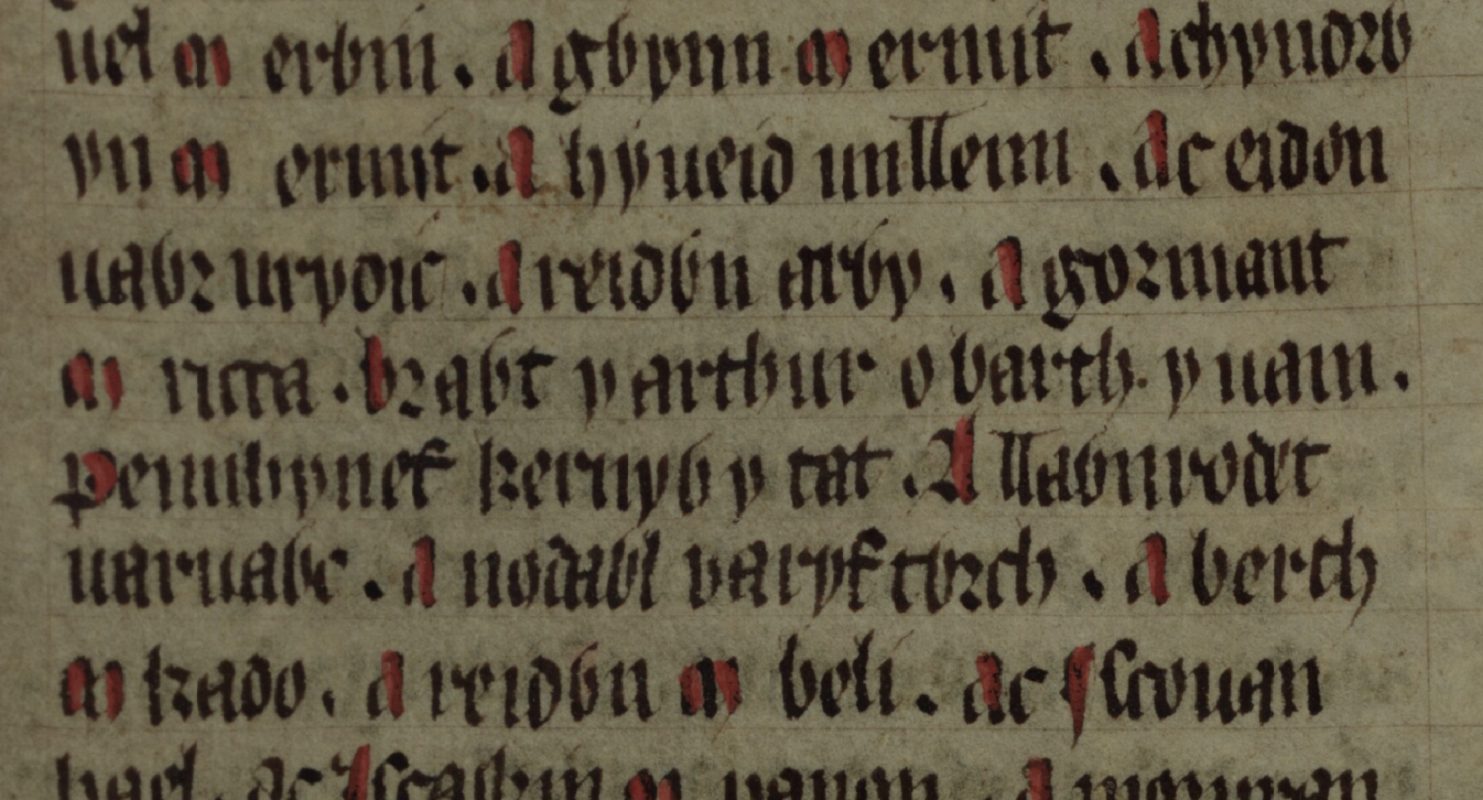
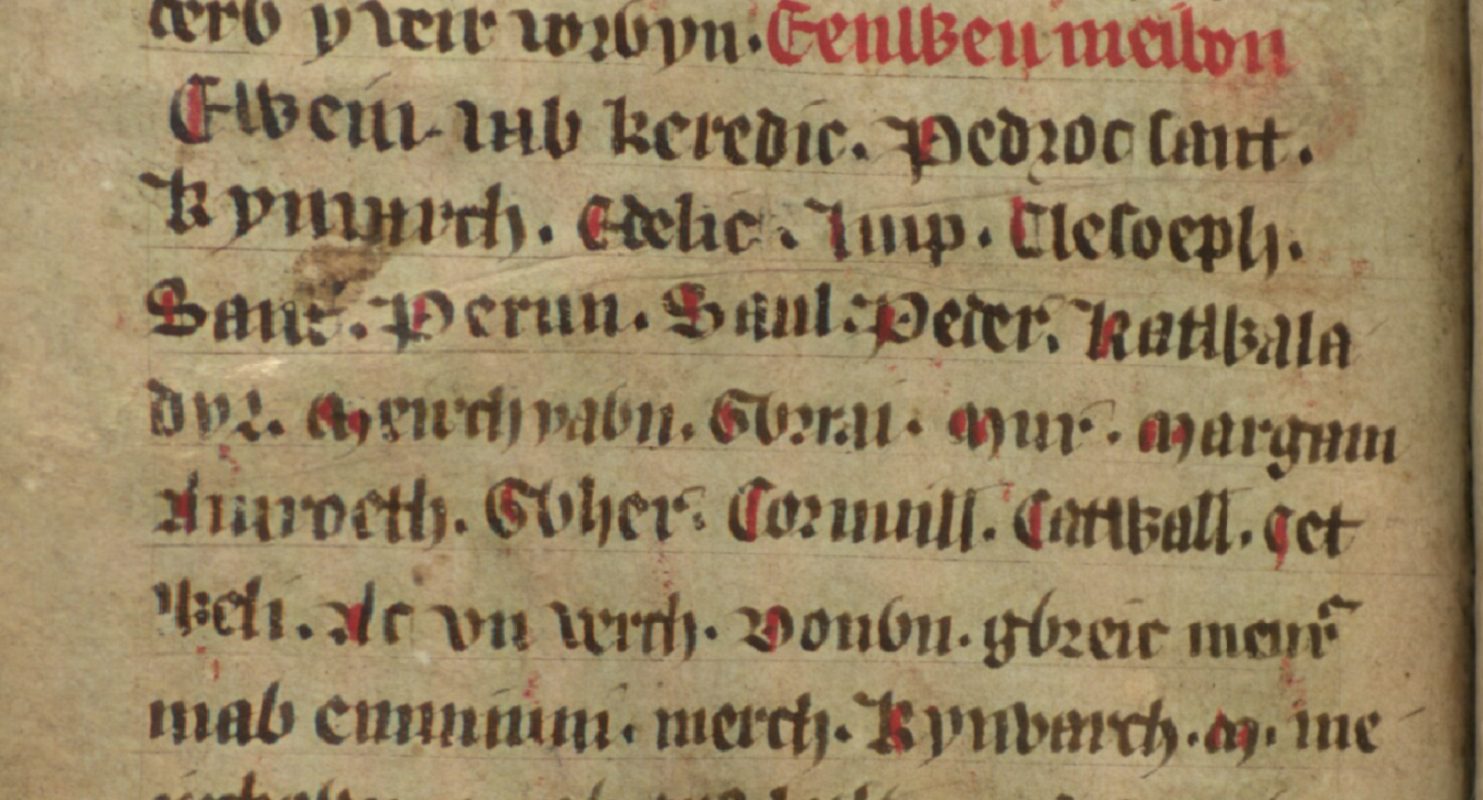
A completely different argument is based on Welsh tradition. This argument tries to identify Gorlois with a figure who appears in Culhwch and Olwen, a Welsh prose Arthurian tale written in c. 1100. The name of this obscure figure is ‘Ricca’. To see why some researchers attempt to connect him to Gorlois, consider the brief statement made about him in this Welsh tale:
“Gormant the son of Ricca (Arthur’s brother by his mother’s side; the Penhynev of Cornwall was his father).”
According to the normal interpretation of this brief reference, it was Gormant who was Arthur’s half-brother on his mother’s side. Hence, Gormant’s father was the Penhynev of Cornwall and was evidently the first husband (or lover) of Arthur’s mother.
The Welsh term ‘Penhyven’ means ‘Chief Elder’. It is a term that we see in one of the Welsh Triads when referring to Arthur’s three outstanding courts; each of them is described as having its own Chief Elder.
Based on this, it would appear that Arthur’s mother had, at one time, been married to the Chief Elder of Cornwall. Ostensibly, this seems to be an excellent match with Geoffrey’s legendary account of Arthur’s mother, Igerna, having been formerly married to Gorlois the duke of Cornwall. The Welsh expression ‘Penhynev’, or ‘Chief Elder’, could plausibly have been translated by Geoffrey as ‘duke’.
Therefore, although not confirming the existence of this figure by the name ‘Gorlois’, this would appear to confirm that Geoffrey’s character was not his own invention. It seemingly shows that there already existed, in relatively early Arthurian tradition, a figure who occupied Gorlois’ place in the legends.
Problems with This Theory
Despite how convincing this might look at first sight, there are a few important issues with it.
Firstly, there is the obvious issue of the fact that the father of Gormant is not named ‘Gorlois’. Rather, he is named ‘Ricca’, which clearly bears no resemblance to ‘Gorlois’. Therefore, if we are to interpret these two figures as the same character, we would have to argue that Gorlois had two names.
Of course, this is by no means impossible. Many people from this period had multiple names. Examples include Marcus Conomorus and Aurelius Conanus. Nevertheless, the fact that this figure’s attested name is not ‘Gorlois’ makes the suggested connection between them much less certain than it otherwise would be.
We also need to bear in mind the fact that Welsh translations of Geoffrey’s Historia Regum Britanniae regularly exchange Geoffrey’s names for ones which were more familiar to Welsh tradition.
For example, he calls one of Arthur’s sisters Anna, making her the mother of Walgan and the wife of Lot. Welsh versions of this narrative, however, exchange these names for ‘Gwyar’, ‘Gwalchmai’, and ‘Llew’, respectively. One of Lot’s brothers was Augusel according to Geoffrey, whereas the Welsh versions record him name as ‘Arawn’.
Hence, the medieval Welsh had no issue whatever with exchanging Geoffrey’s names for ones which they were more familiar with. If the medieval Welsh had understood Ricca to be the former husband of Arthur’s mother and the Chief Elder of Cornwall, then surely they would have exchanged the unfamiliar ‘Gorlois’ for ‘Ricca’.
The fact that there is no Welsh text which does this, yet Culhwch and Olwen demonstrates that Ricca was present in Welsh tradition, argues quite strongly against the identification of Gorlois with Ricca.
A Potential Explanation
However, there is a way of resolving this objection to the basic idea that Culhwch and Olwen supports the existence of Gorlois.
Crucially, there is the issue of the ambiguity of the text of Culhwch and Olwen. The parenthetical statement that this figure was the half-brother of Arthur does not necessarily apply to Gormant. It could, instead, apply to his father Ricca. After all, the statement comes after the patronymic. This leaves it ambiguous as to who the statement is about.
In other words, it could have been Ricca who was the half-brother of Arthur. In that case, it was Ricca’s father who was the former husband of Arthur’s mother and was the Chief Elder of Cornwall. This would mean that Culhwch and Olwen simply does not mention the name of the first husband of Arthur’s mother, therefore meaning that there is no objection to identifying him as Gorlois.
The only major objection to this argument is that no version of the Arthurian legend gives Gorlois a son named Ricca. Nevertheless, this is not an insurmountable problem. As is often said, absence of evidence is not evidence (or more correctly, proof) of absence. There is no reason why Gorlois could not have had a son named Ricca.
While acknowledging this slight issue, there is really no significant objection to identifying Gorlois with the unnamed father of Ricca (as long as we accept the parenthetical statement in Culhwch and Olwen as applying to Ricca and not his son Gormant).
It would appear to be a clear pre-Galfridian reference to Arthur’s mother having a different husband to Arthur’s father, and that this other husband was the Chief Elder, or duke, of Cornwall.
Gwinear
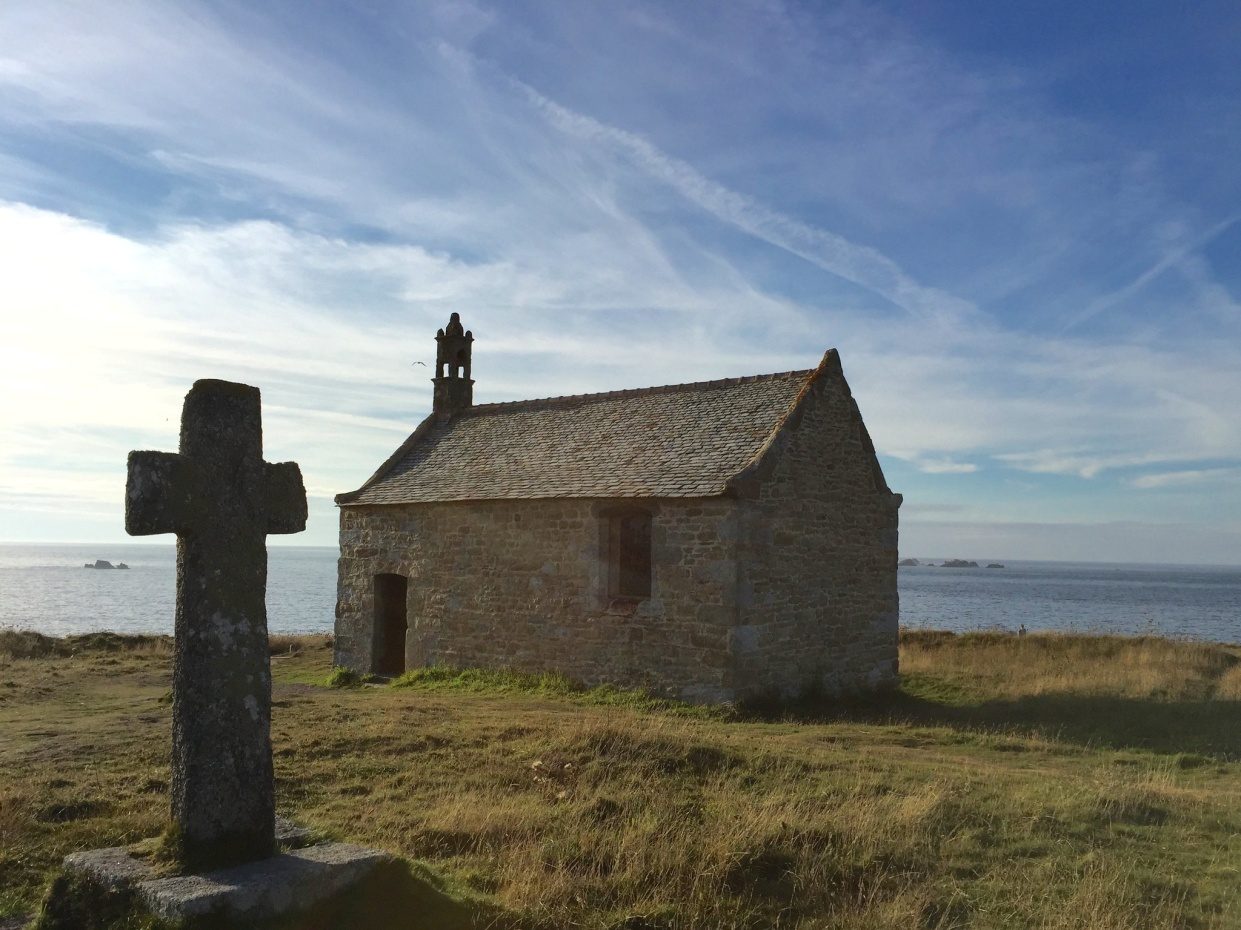
Another theory which has been promoted over the past few decades is that Gorlois can be associated with a figure known from Latin hagiographies as Gwinear. He is famous for being an Irish saint who was slain, along with numerous companions, by a pagan king called Theodoric.
At first glance, this basic outline of who Gwinear was does not seem to bear many similarities to the story of Gorlois. However, when we look deeper, there are a number of interesting and potentially significant connections.
Tewdrig as the Historical Uther Pendragon
Fundamentally, this identification is based on the theory that Uther Pendragon can be identified as the historical King Tewdrig of Gwent. He was a king who lived, according to many scholars’ estimates, between the fifth and the sixth centuries. He was the grandfather of the famous Brychan, the father of numerous saintly sons and daughters.
Tewdrig appears to have been an exceptionally powerful king in that region at that time. The Book of Llandaff presents him as a powerful war leader who regularly fought and defeated the Saxons. Another record, the Life of St Gwinear, presents Tewdrig (the Theodoric of the account) as having power in Cornwall and as deposing one king and appointing another all the way over in Brittany.
Given this evidence of his power, as well as the fact that he ruled from the area with which King Arthur is most closely associated in the legends, this lends itself to the conclusion that he may have been the historical Uther Pendragon. According to this theory, ‘Uther Pendragon’ is a title in its entirety.
This connection between Uther and Tewdrig is strongly supported by their death stories. The account of Tewdrig’s death in the Book of Llandaff bears striking similarities to Geoffrey of Monmouth’s account of Uther’s death, even including the detail that they were led from their respective final battles in a cart.
Tewdrig’s Conflict in Cornwall
With this in mind, the fact that the Life of St Gwinear records Tewdrig as having a violent conflict in Cornwall is immediately interesting. This is particularly so given that the timing appears to match the timing of Uther’s conflict with Gorlois.
To understand this, we need to understand that Bede places the career of Ambrosius, the predecessor of Uther, in the second half of the fifth century. Geoffrey says that there was a remarkable comet in the sky upon Ambrosius’ death, and this would appear to match a comet recorded as appearing right at the end of the fifth century.
It is shortly after this that Geoffrey presents Uther as having his conflict with Gorlois. Hence, we can likely place the war in the first few years of the sixth century, or about 500-503 or thereabouts. This matches perfectly with the estimated date of the conflict between Gwinear and Tewdrig which resulted in the death of the former.
Furthermore, Gwinear was an Irish prince, the son of a king. Therefore, he had a high status position. Additionally, at least one version of the account of Gwinear’s life has Gwinear’s father inform Tewdrig that his son is on his way to Cornwall to attack Tewdrig with an army.
Consider, also, the statement in Geoffrey of Monmouth’s account to the effect that Gorlois wanted to wait for reinforcements from Ireland before attacking Uther. This shows that Gorlois had strong connections to that land, which would fit well with him being Gwinear.
The Course of Events
Additionally, consider the course of events in the account of Gwinear’s death. He is said to have arrived in Cornwall with a group of almost 800 followers. Some sources present them as his fellow missionaries, whereas at least one other implies that they were his army.
When Gwinear lands in Cornwall, his army is said to have split into two parties. This is reminiscent of how Gorlois divided his men into two. Some of them stayed with Igerna to protect her at Tintagel, while others remained with him as he withdrew to Dimilioc.
Furthermore, it was the group without Gwinear present that was defeated first, similar to how Uther managed to penetrate the castle of Tintagel before Gorlois was killed at Dimilioc.
After this, a Welsh version of the story of Gorlois’ death relates how Uther made peace with Gorlois’ kinsmen and allies after the duke’s death. The exact same thing is described concerning Tewdrig and the kinsmen and allies of Gwinear.
How Gwinear Became Gorlois
With these basic similarities in mind, what about the name of these two figures? Could ‘Gwinear’ really have evolved into ‘Gorlois’?
The first thing to keep in mind is that some of the name forms used by Geoffrey are quite different to the originals. For example, the character of Augusel appears in Welsh tradition as Arawn.
Nevertheless, there are two specific ways in which we can see how one name might have evolved into the other.
Gwirleas
One possibility is that it came about due to the corruption of the final ‘r’ into an ‘s’. This specific corruption is attested in other contexts in medieval manuscripts, due to the similarity between the two letters. This would leave ‘Gwineas’. If we then suggest that the ‘n’ was corrupted into an ‘rl’, this would give ‘Gwirleas’.
However, the corruption of an ‘n’ into an ‘rl’ does not appear to be attested, and the corruption of an ‘r’ into an ‘s’ is not especially common.
Gwirealus
A more likely suggestion is that the ‘n’ in Gwinear’s name became just an ‘r’ (not ‘rl’), which is definitely an attested corruption in medieval documents, and the final ‘r’ in his name became an ‘l’, another well attested corruption. This would produce ‘Gwireal’.
Given that this figure’s name was frequently written with the Latin termination ‘us’, this would make ‘Gwirealus’. Geoffrey of Monmouth could plausibly have corrupted this further into ‘Gorlois’.
An obscure saint recorded as ‘Gueriir’ and ‘Gueir’ has been suggested to be Gwinear. If so, this would demonstrate that the first ‘n’ became an ‘r’ in some traditions.
Problems with This Theory
While attractive in a number of ways, this theory is certainly not without its problems. For one thing, the account of Gwinear does not present him as being the ruler of Cornwall or in any way having power over any part of it.
Additionally, there is no mention whatsoever of his wife being involved in the events. There is no hint anywhere in the account that Tewdrig was attempting to take Gwinear’s wife for himself.
Furthermore, with Gwinear allegedly setting out towards Cornwall to attack Tewdrig (according to at least one version of the story), this would not afford Tewdrig any opportunity to see Gwinear’s wife, fall in love with her, and make war against Gwinear to get her.
The events are not very good matches, despite there being some similarities. While we could argue that the two accounts have simply become so different from each other because they have both emerged through centuries of independent development, we still must face the fact that there is limited reason to connect them.
Another problem is that the proposed connections between the name ‘Gwinear’ and ‘Gorlois’ are somewhat forced and not particularly elegant.
Glywys Cerniw
The most likely theory is undoubtedly that Gorlois can be identified as a historical figure whose name appears as Glywys in the records. He is sometimes known as Glywys Cerniw. He was a prominent king in the region of Glamorgan, historically known as Glywysing in his honour. He had nine sons, all but one of whom inherited a different portion of his territory.
For a number of reasons, he is likely to be the historical figure behind the character of Gorlois. This is the conclusion of Arthurian author Chris Barber and local historian Peter Chesbrough. Surprisingly, it is not more popular, as there are many arguments in its favour.
A Chronological Match
For one thing, Glywys and Gorlois both lived at the same time. Due to the information about Gorlois being active in battle in the time of Hengist’s defeat (which was likely in c. 480), as well as the reference to him as an experienced king in the time of Uther’s defeat of Octa at the very end of the fifth century, Geoffrey of Monmouth appears to place Gorlois’ birth in approximately 450.
This is an excellent match for Glywys. His lineage as found in the Jesus College MS 20 and the Life of St Cadoc makes him a fourth generation descendant of Magnus Maximus (born in the first half of the fourth century) through his son Owain. The Jesus College MS 20 makes Owain a son of Maximus through the otherwise unknown Ceindrich ferch Rheiden.
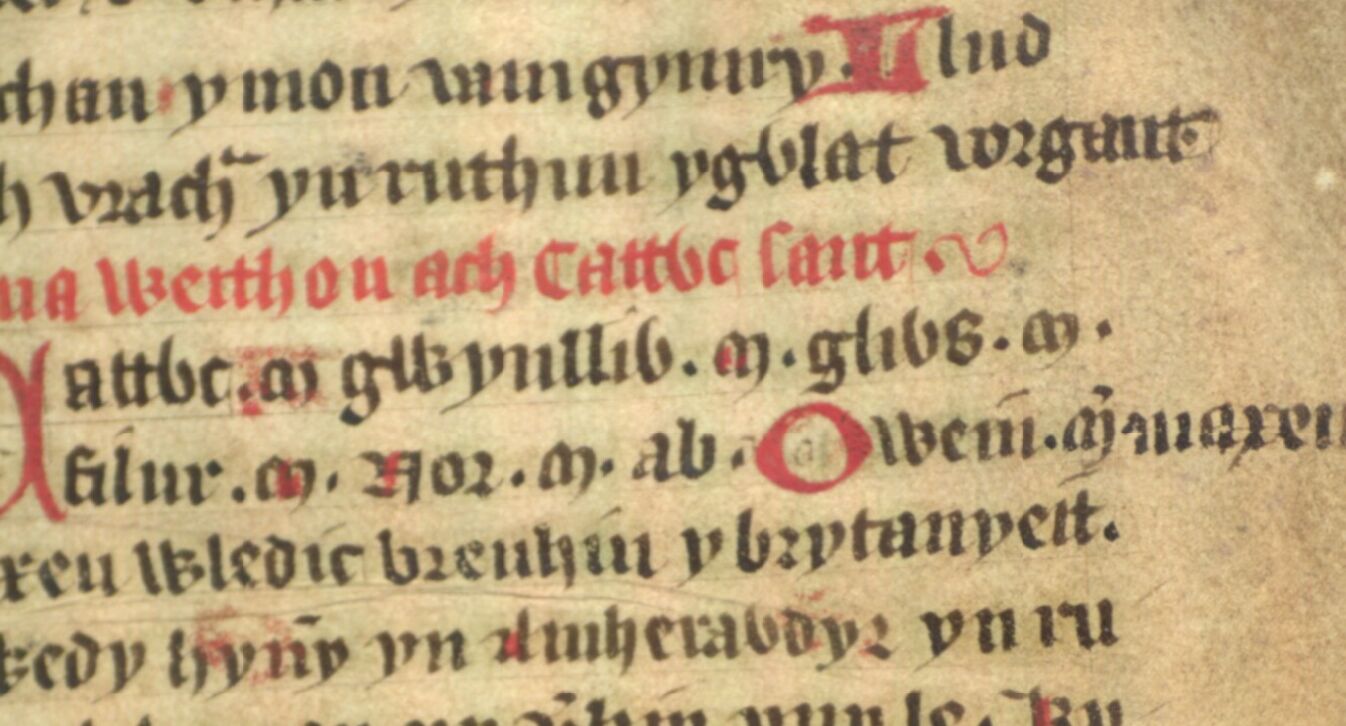
On the other hand, the text The Twenty-four Mightiest Kings tells us that Owain was Maximus’ son through his wife Elen. Maximus appears to have married Elen in c. 381, shortly before his usurpation of the Western Roman Empire in 383. Victor was evidently his eldest son, since he was the one whom Maximus appointed as nominal Augustus.
If we conclude that Owain was born at some time between 383 and 388 (the latter year being when Maximus died), then his own son, Nor, would likely have been born in 405-410, using an average of twenty to twenty-five years per generation.
Nor’s son Solor would have been born in 425-435, and finally Glywys would have been born in c. 445-460. This is an excellent match for the estimate of c. 450 for the birth of Glywys.
Support for This Chronology
Admittedly, this is quite a bit later than Peter Bartrum’s estimate of 430 for the birth of Glywys. However, this later chronology is supported by evidence from Glywys’ recorded wife.
The Jesus College MS 20 places Glywys’ wife five generations after Cunedda Wledig. It makes her the daughter of Ceredic ap Cynfelyn ap Meiriawn ap Ceredic ap Cunedda.
Since Cunedda Wledig was born in c. 370 according to the estimates of Peter Bartrum and others, this would place the birth of Glywys’ wife in c. 470-495, using an average of twenty to twenty-five years per generation.
We can assume that Glywys was at least somewhat older than his wife, as was customary. However, it is implausible to place so many decades between the birth of Glywys and the birth of his wife. Bringing them fairly close together is far more likely.
The upper end of the range for Glywys’ wife is not realistic, given that she was the grandmother of Saint Cadoc, born in the early sixth century. Hence, we would do well not to place her birth any later than 480.
In any case, we can see that the evidence from the ancestry of Glywys and that of his wife supports the conclusion that Glywys was born at approximately the same time as when Gorlois appears to have been born.
Ruler of ‘Cornwall’
What about Glywys’ status? As we saw in the case of Gwinear, one of the biggest problems is the fact that he was not the ruler of Cornwall. On the other hand, this objection does not apply to Glywys.
Glywys is explicitly given the epithet ‘Cerniw’ in the medieval records. In one record, this appears as ‘Cornubiensis’. This is widely taken to be a reference to Cornwall in the West Country. On the other hand, the medieval Britons used the same term for somewhere in southeast Wales, either a prominent part of Gwent or possibly Gwent itself.
Given that Glywys was the ruler of Glywysing – that is, Glamorgan – and Gwent is right next to that territory, it is entirely possible that the ‘Cerniw’ with which he was associated was actually that region of southeast Wales.
With that possibility in mind, there is no reason why Gorlois may not actually have been the duke of Cerniw in southeast Wales rather than Cornwall, with ‘Cornwall’ simply being Geoffrey’s inaccurate but perfectly expected translation of ‘Cerniw’. While it is true that Geoffrey’s account clearly shows Gorlois to have had power in the West Country’s Cornwall, this does not mean that this was actually his primary territory.
Support from Culhwch and Olwen
In support of this explanation is the evidence from Culhwch and Olwen that we considered earlier. There, the father of Arthur’s half-brother is referred to as the Chief Elder of Cerniw. The Welsh Triads mention three of Arthur’s Chief Elders, one of whom was the Chief Elder of Cerniw. He is specifically associated with the royal court of Gelliwig.
Medieval records confirm that there was a site in Gwent called Gelliwig. Hence, this would appear to confirm that the Cerniw at which Arthur had one of his Chief Elders was the Cerniw in southeast Wales, not Cornwall.
Hence, the reference to a former Chief Elder of Cerniw in association with Arthur’s family should probably be interpreted in this light. Therefore, based on this Welsh evidence, it seems most likely that the former husband of Arthur’s mother was the Chief Elder, or ‘duke’, of Cerniw in southeast Wales rather than of Cornwall.
Glywys’ Territory in Cornwall
Nevertheless, Geoffrey of Monmouth does make it clear that Gorlois had power over at least parts of Cornwall. This is something that we have to address even if we can interpret his position as ‘duke of Cornwall’ as a reference to Cerniw in southeast Wales.
How does this match the historical facts about Glywys? Well, as Bartrum points out in his A Welsh Classical Dictionary, there is some evidence that Glywys was associated with Cornwall. For example, there is the settlement of St Gluvias in Cornwall, near Falmouth. Bartrum and other scholars have suggested that the Saint Gluvias in question should be identified with Glywys.
Furthermore, one of Glywys’ sons was Petroc. He is recorded as travelling to Cornwall and residing there as a religious figure for some time. While not proving that his father had held power over that area, it does point to connections between Cornwall and the family of Glywys.
Another connection is seen in the former name of the place Landulph in Cornwall. This was formerly recorded as Landelech, at least as early as the Domesday Book of the eleventh century. For this reason, it has been suggested that this belonged to a king named Edelig. He was another one of Glywys’ sons.
Yet another piece of evidence supporting this argument is the fact that the Life of St Paul Aurelian records the presence of a king named Marcus in Cornwall in the sixth century. Other records about this infamous King Mark, or March, make him the son of a certain Meirchiawn.
The records make it clear that March was a powerful and prominent king. Yet, the only known Meirchiawn from records concerning the south of the country in the sixth century was a son of Glywys. This strongly suggests that Meirchiawn ap Glywys held power over parts of Cornwall.
Of course, instead of inheriting this from his father Glywys, Meirchiawn could have conquered this territory himself. Or, indeed, March could have done this, a whole two generations after Glywys. Nevertheless, the combined evidence from Gluvias, Petroc, Edelig, and March supports the conclusion that this family as a whole held territory in Cornwall.
Ally of Uther Pendragon
As well as being recorded as the ruler of Cerniw and likely having power in parts of Cornwall, Glywys also matches Gorlois by virtually certainly having been one of Uther’s allies if we accept the identification of Uther as Tewdrig.
The reason we can say this is that Glywys’ main territory, Glywysing, was within Tewdrig’s kingdom. Tewdrig ruled over the entire southeast corner of Wales, from Gwent in the east to the Gower Peninsula in the west. Therefore, Glywys was evidently a subking within Tewdrig’s kingdom.
The fact that Glywys is recorded as ‘Glywys Cerniw’, despite being recorded elsewhere as the king of Glywysing (Glamorgan), indicates that he was put in a position of power over Cerniw. Understanding him to have been the Chief Elder of that region would make sense of this epithet.
In a similar way, Maelgwn is recorded as being the Chief Elder of Menevia in southwest Wales, outside of his actual kingdom of Gwynedd.
Therefore, not only was Glywys a subking of Tewdrig and thus, by definition, one of his subservient allies, but the evidence also supports the conclusion that he was the Chief Elder of Cerniw. This would give him the exact position indicated by the reference in Culhwch and Olwen to Arthur’s half-brother’s father having been the Chief Elder of Cerniw.
Glywys’ Wife
Another important similarity between Gorlois and Glywys is the fact that their wives’ names are arguably a match. The wife of Gorlois is recorded as Igerna by Geoffrey of Monmouth, but Welsh texts record her name as Eigr or Eigyr.
Glywys, meanwhile, is recorded as being married to a certain ‘Gwawl’ or ‘Gwawr’. The latter spelling appears to be correct, since the former spelling is actually the Welsh word for ‘wall’.
The names ‘Eigyr’ and ‘Gwawr’ are not identical, but they are clearly similar. It was not uncommon for the first syllable of a name to be dropped, nor was it unheard of for a name to have a vowel placed onto the beginning. An example of this latter type of corruption is seen in the case of Gwinear. Albert le Grand spelt his name ‘Eguiner’.
Therefore, ‘Gwawr’ could potentially have become ‘Egwawr’, evolving further into ‘Eigyr’. Or alternatively, ‘Gwawr’ could be a slight shortening and corruption of ‘Eigyr’. In either case, the names are similar enough that we can plausibly identify both figures as the same person.
Martyred
What do we know about the end of Glywys’ life? There is no record which describes his life in any meaningful detail. However, a site in Wales was known in medieval times as Merthyr Glywys at least as far back as the Book of Llandaff.
This reveals that Glywys was remembered as having died as a martyr. This, potentially, can be connected to the conflict between Uther and Gorlois.
On the other hand, there is another possibility. Geoffrey of Monmouth’s account contains instances of certain figures being described as dying when they actually did not. Aulus Plautius (called Lelius Hamo by Geoffrey) in the first century CE is one example.
Therefore, it may be that Glywys, as Gorlois, did not die at the hands of Uther, and that his being remembered as a martyr is from completely unrelated events. The reason for suggesting this possibility is that the Life of St Aude, as pointed out by Peter Chesbrough, appears to be about one of Glywys’ children.
There, the father is called Galonus, an easy corruption of ‘Glywys’ (compare the attested corruption ‘Clemens’). The account remarks that he married again after having lost his wife. This might be a trace of Uther having taken Gorlois’ wife, as Geoffrey recorded.
How This Ties in with Gwinear
This explanation does not completely contradict the Gwinear theory. In fact, they are easy to harmonise. Recall that Gwinear was said (according to one version) to have set out to attack Tewdrig in Cornwall.
This can very easily be connected with Geoffrey’s statement that Gorlois decided not to attack Uther before receiving help from Ireland. In other words, we can understand Gwinear as leading an army to assist Glywys, or Gorlois, in his war against the king.
Understanding Gwinear as an ally of Gorlois rather than as Gorlois himself resolves all the issues raised against the Gwinear theory. This harmonisation was first proposed by Peter Chesbrough; it is also somewhat similar to the scenario suggested by Chris Barber and David Pykitt years ago.
In any case, the account of Gwinear shows that Tewdrig was involved in a violent conflict in Cornwall in c. 500, at about the same time as the legendary war between Gorlois and Uther in Cornwall, and the figure of Glywys fits very well as the historical Gorlois.
Conclusion
In conclusion, we can see that there is a good argument to be made that Gorlois was a historical figure. In Welsh tradition, as seen in Culhwch and Olwen, there is a strong implication that Arthur’s mother had formerly been married to the Chief Elder of Cerniw, similar to Geoffrey presenting her as being married to the duke of Cornwall. However, in this context, Cerniw in southeast Wales is more likely to be the intended location.
A close examination of the figure of Glywys strongly suggests that he can be identified as the historical Gorlois. As well as being born at the right time and having a wife with arguably the right name, he was likely the Chief Elder of Cerniw and also likely held territory in Cornwall, just like Gorlois. The conflict between him and Uther is probably preserved in the independent account of Gwinear arriving in Cornwall and being attacked by Tewdrig.
Sources
Barber, Chris & Pykitt, David, Journey to Avalon: The Final Discovery of King Arthur, 1997
Barber, Chris, King Arthur: The Mystery Unravelled, 2016
Trans. Bristol & Gloucestershire Archaeological Society 135 (2017), 293–314
https://chisper256891285.wordpress.com/2019/06/17/470-the-conception-of-arthur/
https://www.heritagegateway.org.uk/Gateway/Results_Single.aspx?uid=MCO13764&resourceID=1020
https://mistshadows.blogspot.com/2021/10/the-forts-or-settlements-of-gorlois.html