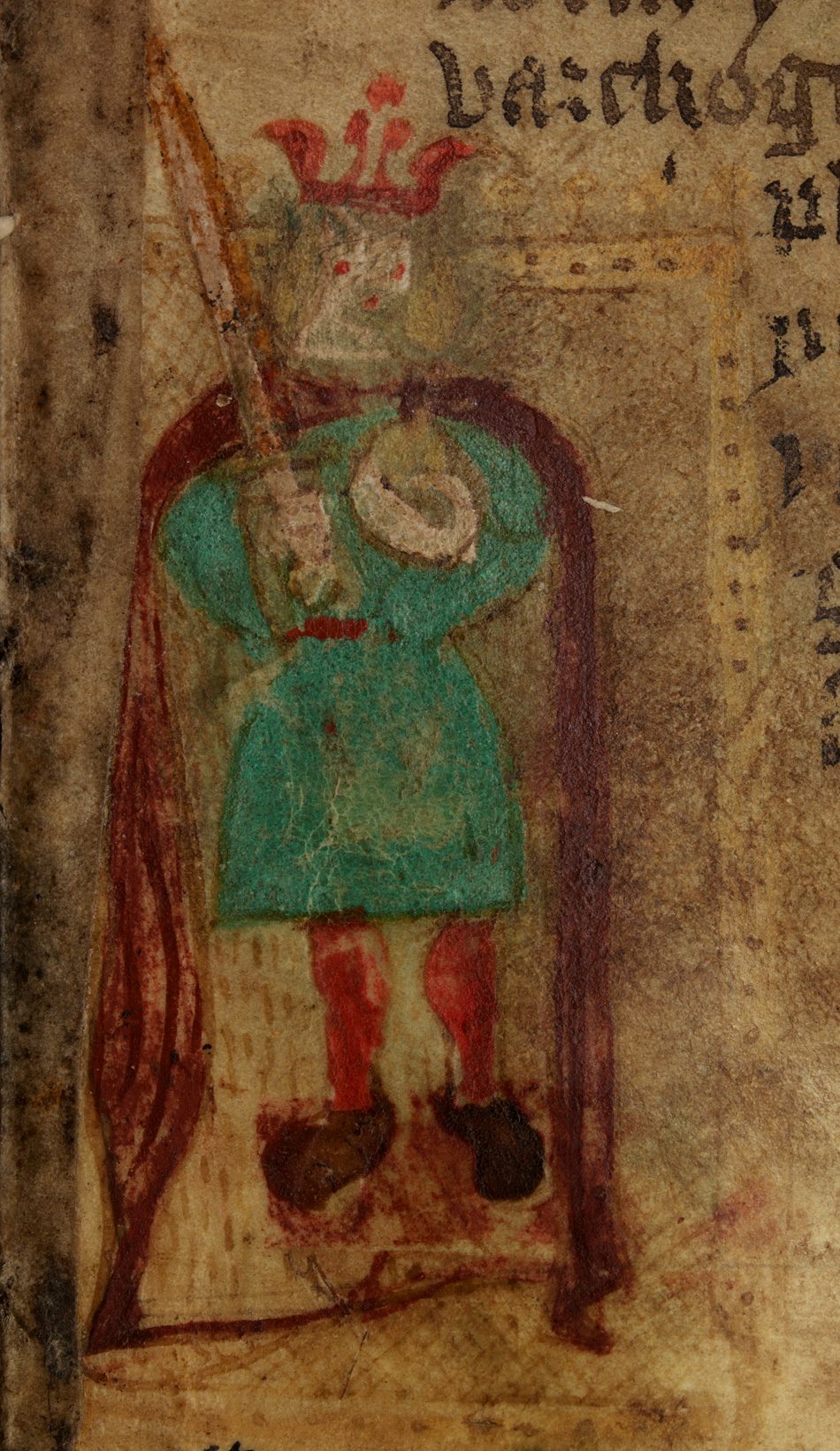
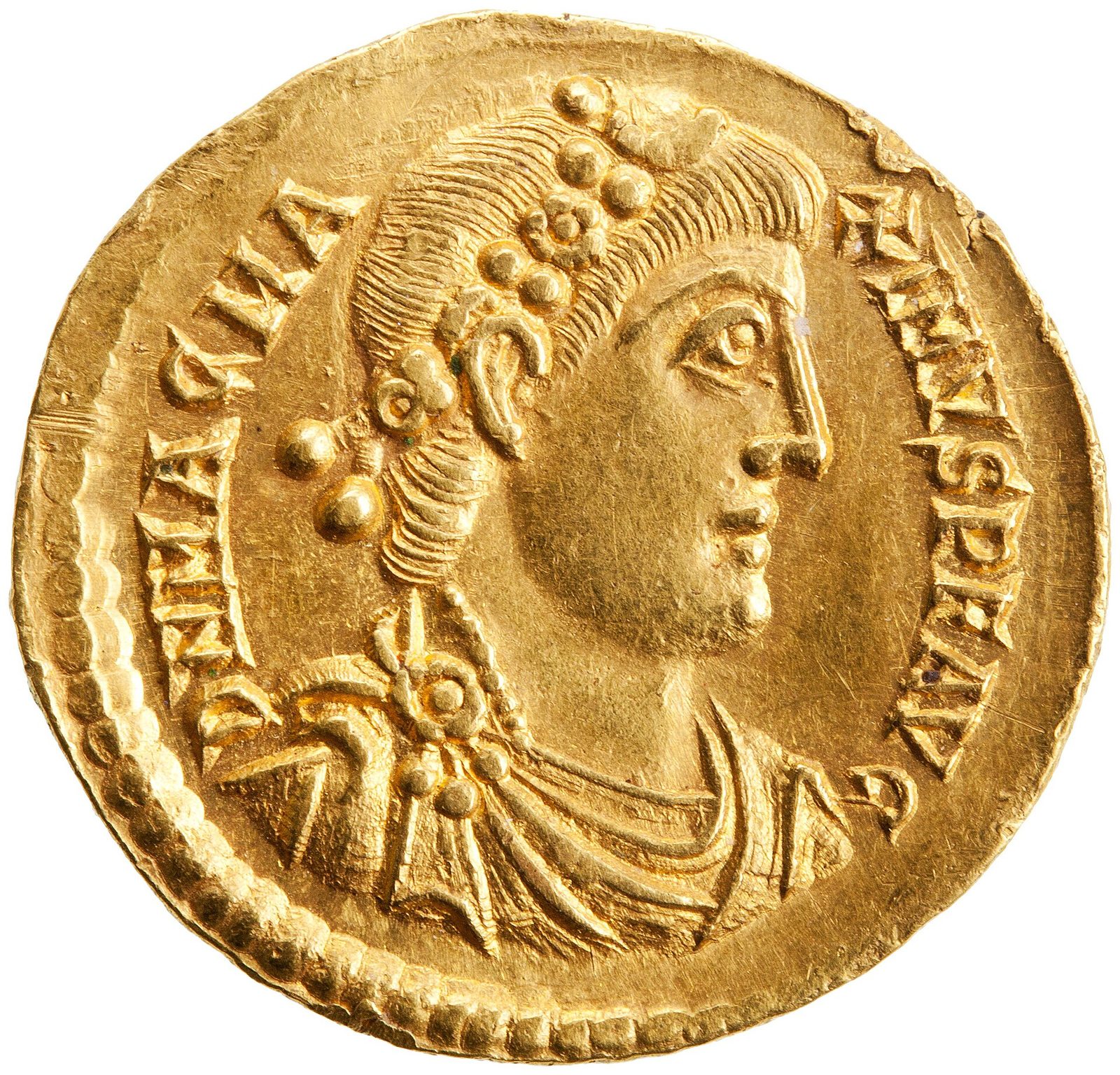
Was Lucius Artorius Castus the Real King Arthur?

One popular theory about the real King Arthur is that he can be identified, at least in part, with Lucius Artorius Castus. This latter figure was a historical Roman commander from the second century. Immediately, we can see that he seems quite far removed from the normal idea of what King Arthur was – a king in Britain active in the sixth century. Still, proponents of this theory argue that there is strong evidence for this identification. What is this evidence, and does it stand up to scrutiny?
Who Was Lucius Artorius Castsus?
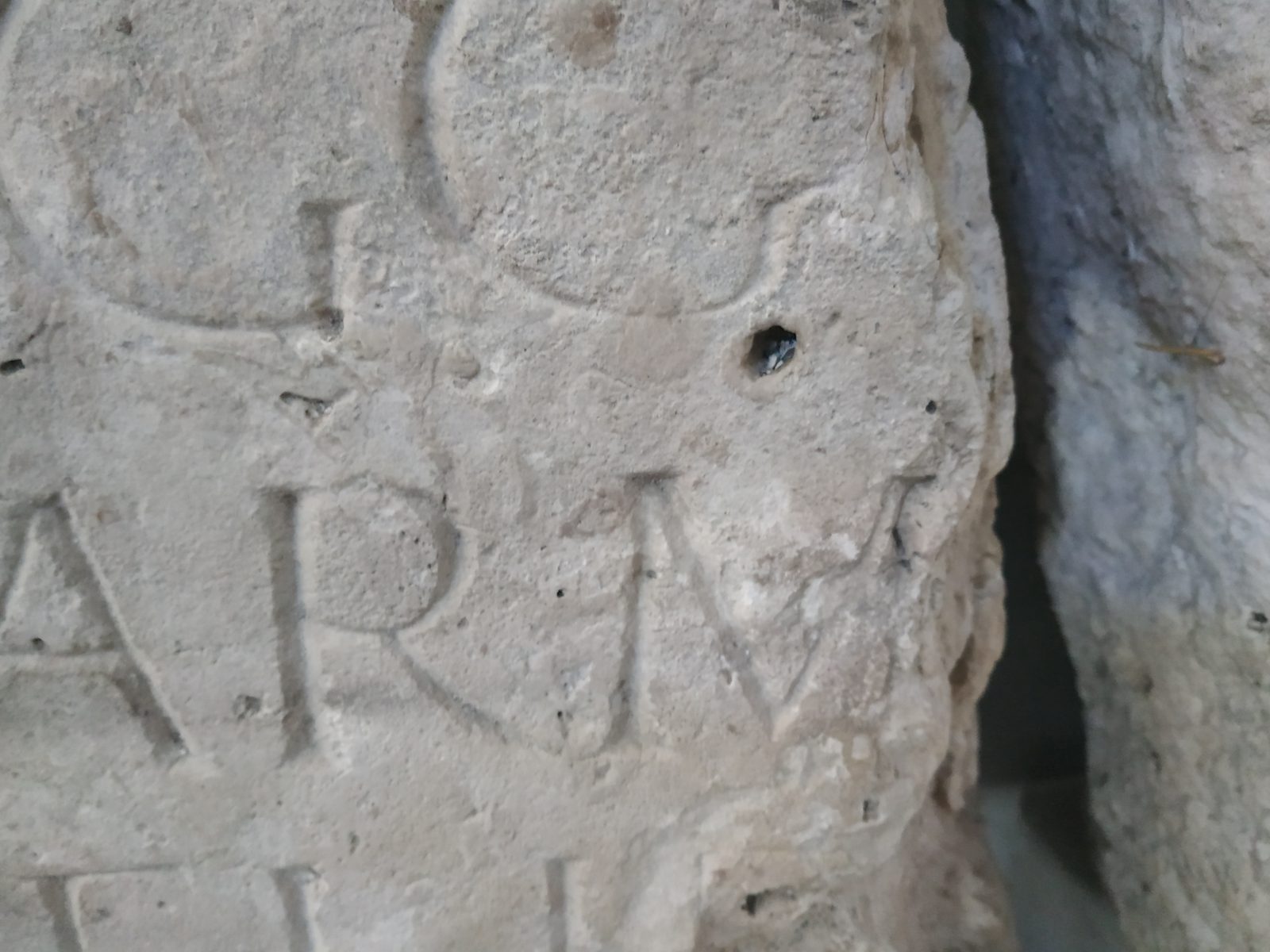
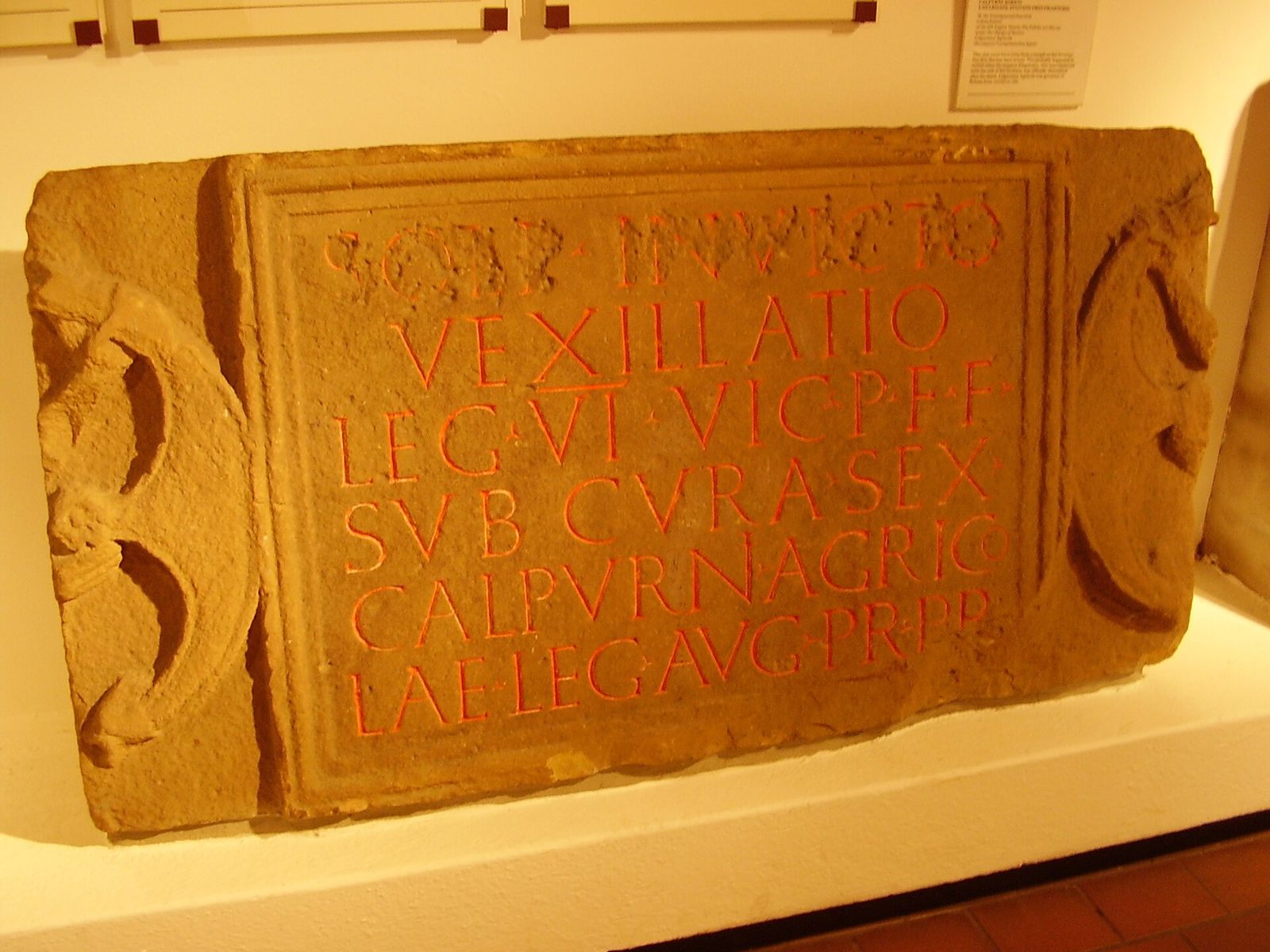
Very little is known about Lucius Artosius Castus. He does not explicitly appear in any written sources. His very existence is only attested by two inscriptions. One is a small memorial stone which mentions him by his full name and explains that he was the senior centurion of the Fifth Legion Macedonica and the prefect of the Sixth Legion Victrix.
This latter legion is known to have been stationed at Britain, specifically at York, during Castus’ career. Thus, this shows that Castus spent some of his career in Britain.
The other inscription that has been found is larger and more detailed. It contains the same details as the first, along with many other pieces of information about his career. One of these details, just after mentioning his role as prefect of the Sixth Legion Victrix, is that he led troops from British legions against an enemy referred to as ‘Arm___s’.
Unfortunately, the inscription was broken into two pieces long ago, and the area between the two pieces is now missing. For this reason, there is no way to be completely certain about what this word designating the enemy originally was.
In any case, the next appointment on Castus’ memorial stone is the governorship of Liburnia, with which Castus wielded significant authority. The inscription notes that he had ‘the power of the sword’, meaning that he had the authority to put anyone to death, even including senators.
Aside from this, there is really not much at all that we know about him. The fact that he was made the governor of Liburnia suggests that he was very talented. Furthermore, a number of other members of the Artorii family are attested in this area, suggesting that his family may well have been from this region. However, nothing definitive about this can be said.
When Did Lucius Artorius Castus Live?
A crucial part of this theory, for reasons which we will see in depth later, is the question of when Castus lived. The memorial stones are not dated, but their style (particularly that of the longer one) has been used to attempt to date his career.
It is generally agreed that the style of the main memorial stone is either from the Antonine period or the Severan period. That would place it anywhere from the mid-second century through to the mid-third century.
However, it seems that most scholars favour an Antonine date for this stone, on the basis of the styling. While some scholars argue that the wording on the stone is more indicative of the Severan period, the arguments are not weighty and the wording is acceptably understood in an Antonine context. One scholar even suggested that it could be pre-Antonine.
Therefore, the weight of evidence indicates that the stone was carved before the year 190. It appears that most authorities actually place it closer to the middle of the second century, although it is impossible to get any more precise than that with any reasonable degree of confidence.
This being the case, it appears that Lucius Artorius Castus was active throughout the middle of the second century, with this memorial stone being carved near the end of his life in, perhaps, the last quarter of that century.
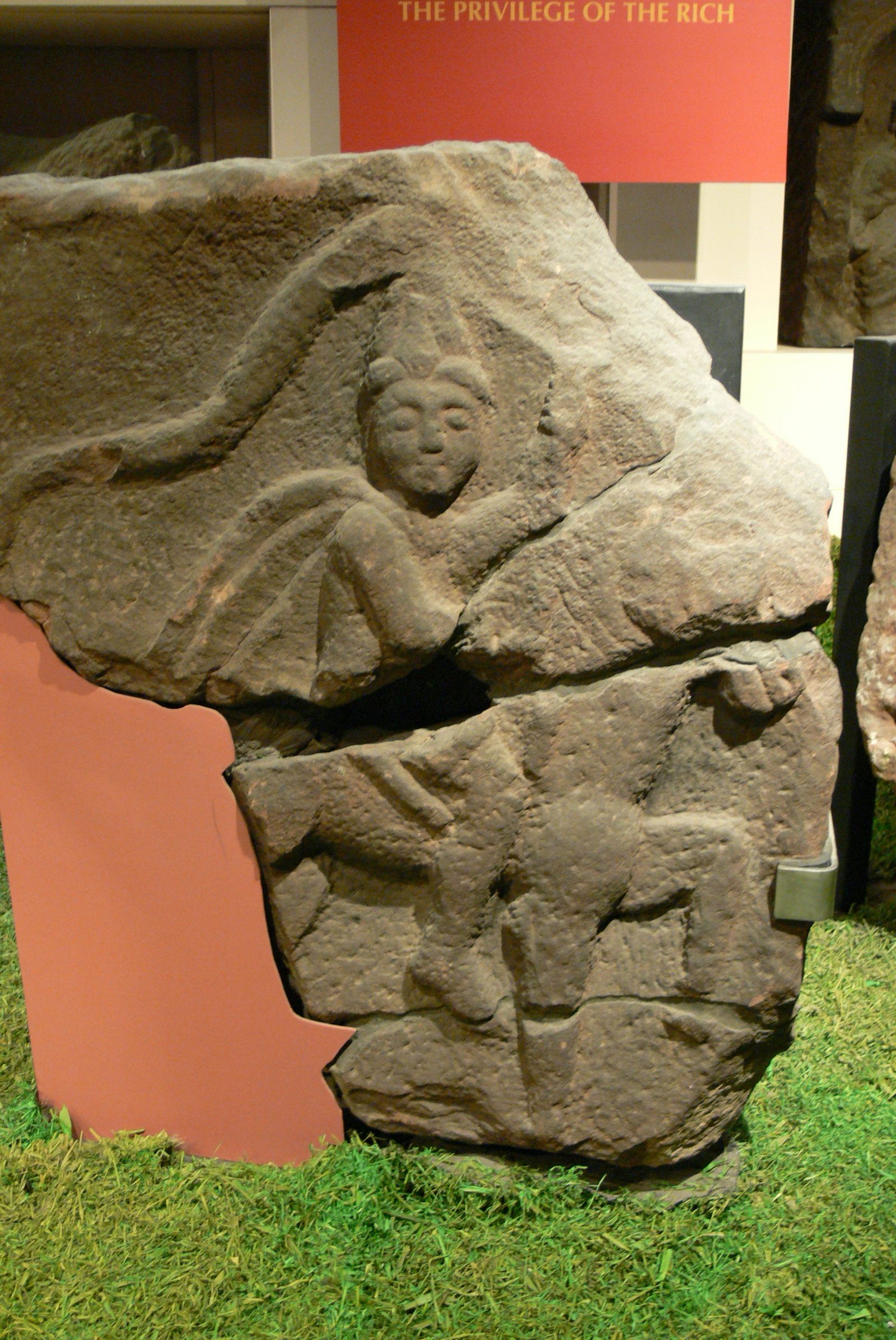
Evidence That Lucius Artorius Castus Was the Real King Arthur
What is the reasoning used by proponents of this theory for identifying Lucius Artorius Castus as the real King Arthur? Well, first of all, it should be established that this theory does not necessarily deny the possibility that there was a later Arthur – or, for that matter, that there were multiple later Arthurs.
In this way, this theory allows for the possibility that there really was an Arthur who was active in the sixth century. This would accommodate the normal setting for Arthur in the legends. Nonetheless, this theory argues that Lucius Artorius Castus was the first and primary figure around whom the legends grew.
The Name
One of the key parts of this theory is the name of this historical figure. The name ‘Artorius’, while not appearing in any medieval source as a form of King Arthur’s name, is recognised by scholars as the most likely origin of the name ‘Arthur’.
Significantly, Castus is apparently the only historical figure who is definitely attested as being active in Britain prior to the sixth century. For this reason, proponents of this theory argue that Castus must have originated the use of the name ‘Arthur’ in Britain. In turn, this supposedly means that he must be the origin of the legends about King Arthur.
Arthurian Geography
Another key part of this theory is that Castus was the prefect of the Sixth Legion Victrix. This was stationed at York, the Roman city of Eboracum. York is a location which appears in association with King Arthur in the Arthurian legends.
For example, it is connected with Arthur in Historia Regum Britanniae, written by Geoffrey of Monmouth in about 1137. In this work, Geoffrey presents Arthur as celebrating Christmas here, as well as engaging in general restorations of the city.
Certain close associates of Arthur are also connected to York. For example, one of Arthur’s legendary knights is Percival. In Welsh tales about Percival, his father is called ‘Efrog’, the Welsh name for York. This suggests that Peredur was the son of the king of York, and this is consistent with other information about Peredur’s area of activity.
Arthurian Battles
Additionally, many of the battles in which Arthur is said to have fought can be connected to the area around York. Others can be associated with places that are quite far from York but which are within the area of activity of the legion stationed there.
One instance of this is seen, again, from Geoffrey of Monmouth’s Historia Regum Britanniae. He describes Arthur as fighting a siege at York itself, and then fighting against the Saxons at Lincoln, not too far from York.
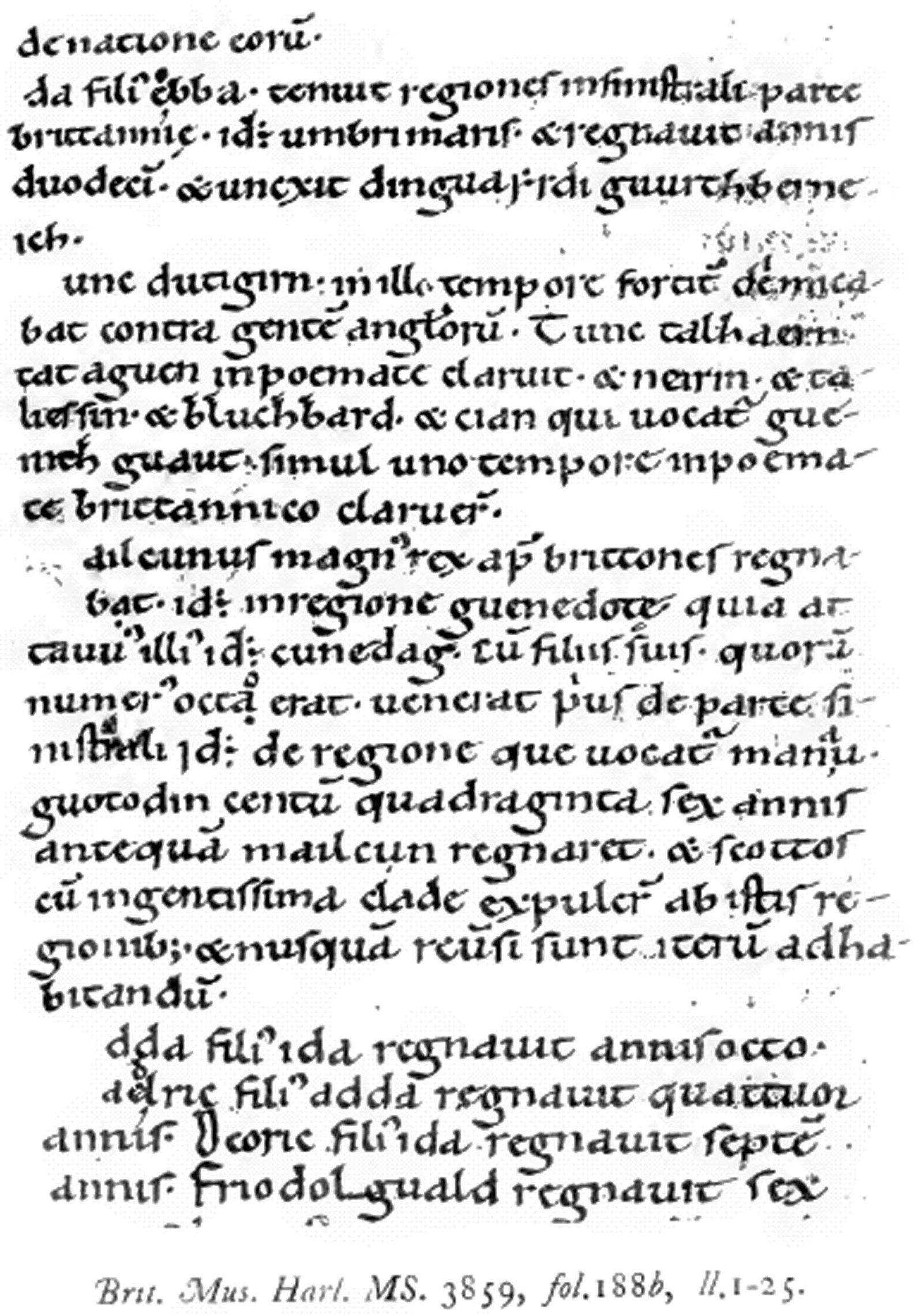
Prior to the Historia Regum Britanniae, we have the Historia Brittonum. This was written around 830 and is our earliest source for Arthur’s career. It describes twelve battles at nine locations. Although most of them are notoriously obscure and difficult to place, some of them are clearly stated to have been in the region of Linnuis. This was the name for the region of Lincolnshire.
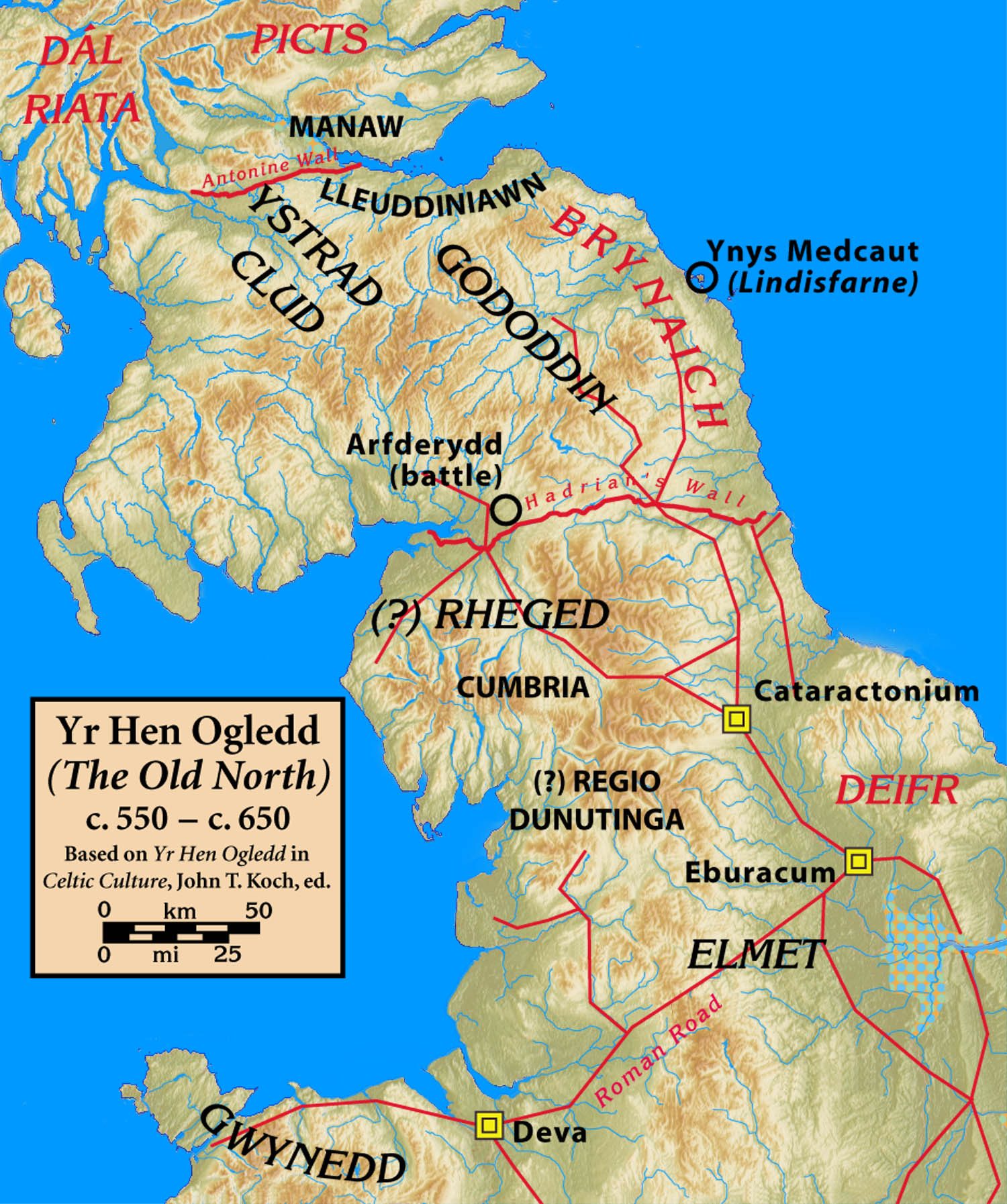
Another battle is said in the Historia Brittonum to have occurred at the Wood of Celidon, generally identified as the Caledonian Forest. This forest covered much of northern England and southern Scotland (it did not, contrary to the popular claim, only start some way into Scotland).
The first battle is stated to have occurred at the River Glein. One popular location for this is the River Glen in Northumberland, which is between York and Hadrian’s Wall.
In the Context of Lucius Artorius Castus
Since Lucius Artorius Castus was based at York, all of the aforementioned sites would have been within striking distance of the legion which he oversaw. For this reason, proponents of this theory have argued that it makes a great deal of sense to attribute these Arthurian battles to Castus, a historical ‘Arthur’ known to have been active in that very area.
In fact, it is known that there were significant disturbances in this region in the possible era in which Castus was stationed there. The Roman writer Cassius Dio records the fact that the Picts from what is now Scotland breached Hadrian’s Wall and raided much of Roman Britain. This occurred in 180.
It took several years for relative peace to be established. Therefore, the period between 180 and 184 was filled with warfare in the northern part of Roman Britain. If Lucius Artorius Castus was the leader of the Sixth Legion Victrix during that time, this would lend significant credence to the idea that he was firmly associated with important wars that match the regions in which King Arthur allegedly fought.
Dux Legionum
On his memorial stone, Castus is said to have become the ‘Dux Legionum’ of troops from British legions. This was an informal title used to refer to a commander given charge of detachments of legions, usually sent to deal with a specific threat.
This title is fairly similar to the title given to Arthur in the Historia Brittonum. There, Arthur is called ‘Dux Bellorum’. This means ‘leader of battles’. For this reason, proponents of this theory argue that Arthur and Lucius Artorius Castus had the same rank.
The Sarmatian Connection
Until now, we have seen that Lucius Artorius Castus was apparently the only historically-attested ‘Arthur’ active in Britain prior to the sixth century, that he was active in the same region as Arthur, and that he had a similar title to the one assigned to Arthur in the Historia Brittonum.
However, in addition to these interesting but relatively generic connections, this theory attempts to strengthen the link between Castus and Arthur by means of the Sarmatians.
The Sarmatians were a people from the region east of the Roman Empire. In the year 175, according to Cassius Dio, Marcus Aurelius defeated the Sarmatians and forced 8000 of them to serve Rome. According to this account, 5500 cavalrymen were sent to Britain.
Nothing more of substance is known about what became of these Sarmatians. Nonetheless, the fact that they were in Britain, serving in the Roman army, possibly during the service of Lucius Artorius Castus as prefect of the Sixth Legion Victrix has led to speculation that Castus actually led these Sarmatian troops into battle in Britain.
The Sarmatians were famed cavalrymen. On the surface, this appears to match quite well with the idea of King Arthur leading a band of knights into battle. Knights were essentially the medieval version of cavalrymen, according to the earliest use of the term.
Sarmatian Legends
The Sarmatian connection is even more important than just this, because it offers Castus a connection to a number of important Arthurian motifs. Proponents of this theory argue that a variety of aspects of the Arthurian legends can be seen in the legends from Sarmatian society.
The logic goes that these legends that circulated among the Sarmatians became attached to Castus, the Roman commander who led them. Thus, he came to be associated with many of the motifs with which Arthur is connected in the Arthurian legends.
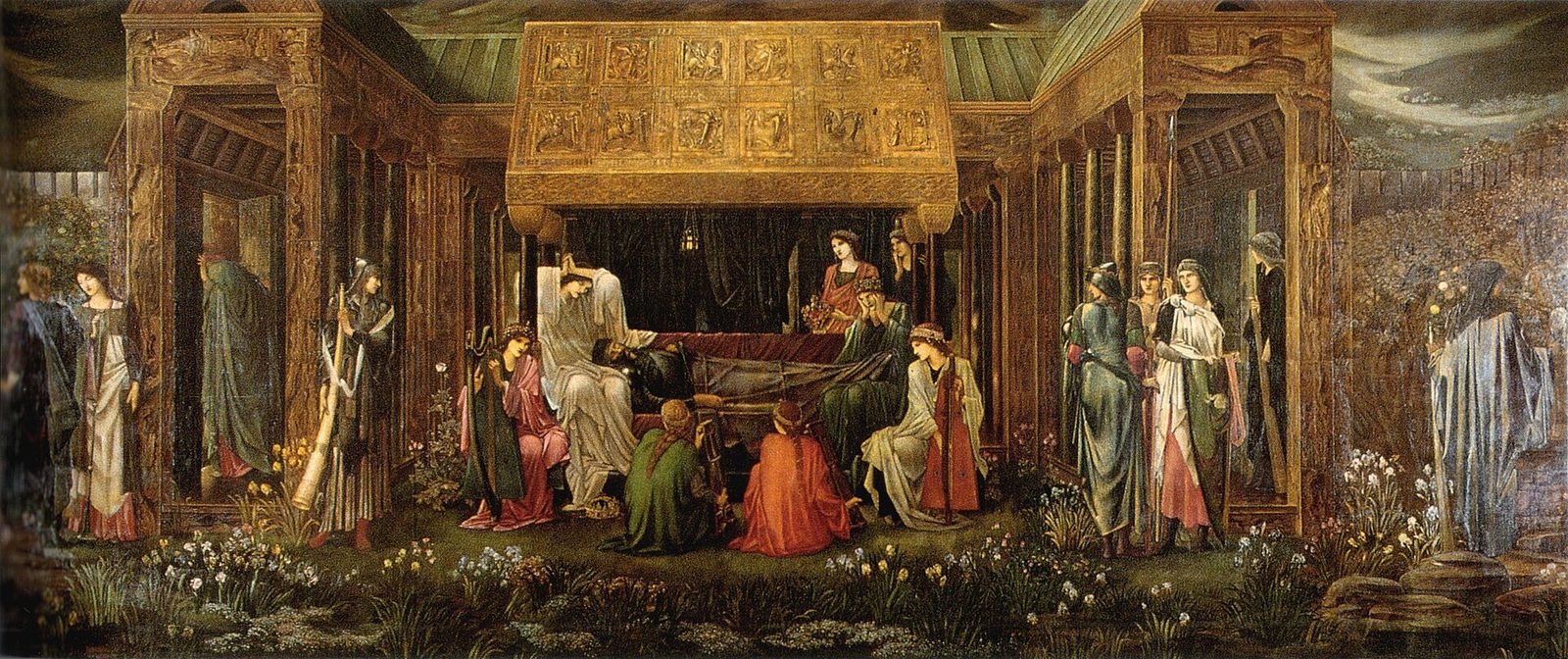
One example of this is the tradition regarding Arthur’s death. In a supposedly Sarmatian legend about a warrior named Batraz, he is said to have asked his companion to throw his sword into the ocean after he was mortally wounded.
His companion only pretends to throw the sword at first. Finally, after he throws it for real, the sea turns turbulent and blood-red. This narrative bears some obvious similarities to the story of Arthur’s death, in which he asks his companion Bedivere to throw Excalibur into a lake, which results in a magical hand appearing from the water and grabbing the sword.
Furthermore, earlier in his life, Batraz was said to have pulled a sword from the roots of a tree. This is clearly similar to the story of Arthur pulling a sword from a stone.
Based on these and many other similarities, this theory argues that much of the Arthurian legends actually originate from the Sarmatians. Since Castus supposedly led the Sarmatians, this supports the conclusion that he was the origin of King Arthur, so the logic goes.
War in Armorica
Another key part of this theory is related to a war on the continent. This is very important for one key reason. As we saw earlier, this theory acknowledges the possibility that there was a historical Arthur active in Britain in the sixth century. This is the most elegant solution to the issue of all Arthurian sources placing him in that area.
However, if that were the case, then it would call into question the necessity of involving Lucius Artorius Castus at all. If a sixth century Arthur existed, then why would Castus be necessary to explain the origin of the legend?
Significantly, there are legends of Arthur engaging in conquests on the continent. There is no support for this in a historical sixth century context. Since this is something which a hypothetical historical Arthur of the sixth century cannot explain, this would provide support for the Castus theory if Castus’ career satisfactorily explains that part of the legend.
As mentioned earlier, his memorial inscription records him as leading detachments from the British legions in a war against ‘Arm___s’. Proponents of this theory argue that the full word here should be ‘Armoricos’. This is a shortening of ‘Armoricanos’, the name of the people who inhabited northwest Gaul.
This being the case, Castus would have led an army from Britain to Gaul and fought a war (evidently successfully) there, very similar to what the legends ascribe to Arthur.

Objections to This Theory
Despite the ferocity with which many proponents of this theory argue their case, there are some very important, fundamental flaws permeating every part of this theory.
The Sixth Century Arthurs
Firstly, let us examine the idea that Lucius Artorius Castus was the one who introduced the name ‘Artorius’ into Britain, which later evolved into ‘Arthur’. This may well be true. In any case, we do not have records of any other Artorius in Britain in the Roman era.
Yet, despite the reasoning used in this theory, is this really that significant? Put simply, no. There is no reason to conclude that the first person to have a name in a certain area was the ultimate origin of legends about a person with that name in that area.
For example, suppose we consider legends about a king in Greece named Alexander. Must we conclude that these legends ultimately originate with the first king in Greece by that name? No, of course not. Such a conclusion would be absurd. What matters is which historical King Alexander matches the activities described in the legend.
For this reason, there is absolutely no reason to think that Castus had anything to do with the Arthurian legends just because he might have introduced the name ‘Arthur’ into Britain.
The medieval British and Irish documents make it clear that there was a surge in dynasties using the name ‘Arthur’ from the mid-sixth century through to the mid-seventh century. This clearly supports the conclusion that there was a prominent figure named Arthur in the generation before that, which would logically be the Arthur of legend.
This is highly illogical if the legend of Arthur actually started forming around Castus from about the year 200. The medieval records do not attest to any popularity whatsoever of the name ‘Arthur’ prior to the sixth century.
Thus, there is no evidence that the legend of Arthur had started forming prior to the sixth century, seriously weakening this theory.
King Arthur’s Battles
While it is true that Lucius Artorius Castus really was stationed in a part of Britain which has some strong Arthurian connections, there are three major problems with the argument that the wars against the Picts from 180 to 184 had anything to do with the legend of Arthur’s battles in that area.
The Enemies
Firstly, the enemies in the Arthurian narratives about the battles in this region clearly identify them as Saxons. Notably, there were absolutely no Saxons in Britain in Castus’ era. While it is true that Arthur is also presented as fighting against the Picts, he is not presented as doing so in any context which locates the battles anywhere near York.
Since Castus cannot account for the legendary battles against the Saxons, we must attribute those to the sixth century Arthur. That being the case, the sixth century Arthur was evidently active in the region near York (since that is where some of the Saxon battles occurred). Thus, Castus is not necessary to explain the origin of this part of the legend.
Castus’ Position
Secondly, Castus’ very position indicates that he most likely did not actually participate in the fighting. The role of a prefect of the legion, which is what Castus was, involved overseeing the legionary base. It did not, as a matter of course, involve leading the legion into battle.
In fact, there were two officers above Castus in the legionary hierarchy. Castus would only have led the legion into battle in the absence of those two officers, for which we have no active evidence. Normally, he would stay at the legionary base with reserve troops while the main legion went into battle.
Chronological Issues
Thirdly, there are reasons to believe that Lucius Artorius Castus left Britain in the 160s. This was long before the war against the Picts described by Cassius Dio. This being the case, there is no reason to associate Castus with any major warfare in the north of Britain. We will see the basis for this chronological conclusion shortly.
King Arthur’s ‘Title’
Contrary to what this theory claims, there is no basis for the idea that the expression ‘dux bellorum’ from the Historia Brittonum was an official title given to Arthur. Rather, it is simply a description. As we saw before, it just means ‘leader of battles’.
In fact, a form of this exact same expression appears in the Latin Vulgate Bible in the context of Joshua. Needless to say, no one would try to argue that Joshua possessed a Roman title. This is simply a description of his role, written in Latin. Similarly, Arthur being described as ‘dux bellorum’ is nothing more than a reference to him being the battle leader of the Britons, written in Latin.
Against Armoricos or Against Armenios?
As explained earlier, one of the key appeals in this theory is that it supposedly offers an explanation for the European conquest in the Arthurian legends, which the sixth century Arthur cannot explain. However, this relies on understanding the ‘Arm___s’ on Castus’ memorial inscription to refer to the Armoricos, the inhabitants of Armorica.
However, no reference to these people has been found on comparable memorial stones, nor is there any record of any significant disturbance in Armorica in the time of Castus’ career.
On the other hand, it is known that the Romans engaged in a number of significant wars in Armenia throughout much of the Antonine and Severan periods, covering essentially every possibility for Castus’ correct era.
Furthermore, forms of the word ‘Armenios’ are found on other comparable stones, supporting the likelihood of this explanation.
In further support of this, the earliest ever drawing of the stone, made in 1850, shows the ‘M’ with the beginning of a ligatured ‘E’. There is no longer any evidence of this, plausibly explained by weathering. If this drawing is accurate, then this categorically confirms that the word in question must be ‘Armenios’.
As we saw earlier, most scholars support a roughly mid-sixth century date for this stone. Due to this, it is widely believed that Castus led detachments, not to Armorica, but to Armenia in 161. In that year, there are records that the governor of Britain – named Statius Priscus – was sent to Armenia to help in the war against the Parthian Empire.
This being the case, it would make sense for him to have gone with troops, even though the surviving sources do not explicitly mention these. Therefore, the description of Castus leading a detachment of British troops to Armenia, from an inscription seemingly dated to the mid second century, is most logically related to this event.
The Issue of the Sarmatian Connection
This chronological argument raises an obvious and critical issue to the supposed Sarmatian connection. If Lucius Artorius Castus left Britain in 161 to fight in Armenia, then he obviously was no longer there when the Sarmatians arrived in 175. This being the case, any supposed Arthurian motifs circulating among the Sarmatians could not possibly have become attached to Castus.
This is not the only problem, however. Another issue is that, as we have already seen, Castus’ role as prefect of the Sixth Legion Victrix means that he was primarily reasonable for overseeing the legionary base, not for actually leading the legion into battle.
Thus, even if Castus was still serving in Britain when the Sarmatians were there, there is no basis whatsoever for the idea that the Sarmatians would have viewed Castus as having any exceptional importance, with their legends becoming attached to him.
Since there were two officers higher up over the legion than Castus, the legendary motifs would most logically have become attached to them if anyone, not Castus.
A third issue with this argument is the fact that the ‘Sarmatian legends’ are actually legends from the Nart Sagas, which are a collection of folktales from peoples inhabiting the area from which the Sarmatians originated. These tales were first written down in the nineteenth century.
There is absolutely no evidence whatsoever that they date back to Roman times. It is entirely possible that these motifs were drawn from the Arthurian legends and adopted by the Nart Sagas rather than the other way around.
There is simply no basis for the conclusion that these motifs were brought to Britain by the Sarmatians in 175 and then found themselves in the Arthurian legends about 1000 years later.
Conclusion
In conclusion, the idea that Lucius Artorius Castus was the first and primary origin for the legend of King Arthur has significant flaws permeating every aspect of the theory. While it might be possible that Castus introduced the name ‘Artorius’ to Britain, there is no basis for connecting him to the legends of Arthur. The fact that the name ‘Arthur’ only became popular in Britain centuries after his time weighs heavily against placing the origin of the legends as far back as the second century.
We have seen that many fundamental parts of the theory fall apart on closer examination. There is no evidence that Castus fought battles in northern Britain, even if such battles did occur during his service there. His supposed war in Armorica almost certainly never happened. In short, there is nothing about his career that recommends him as the real King Arthur.
Sources
Malcor, Linda A. & Matthews, John, Artorius: The Real King Arthur, 2022
Sullivan, Tony, The Roman King Arthur?: Lucius Artorius Castus, 2022
Howells, Caleb, King Arthur: The Man Who Conquered Europe, 2019
http://christophergwinn.com/arthuriana/lac-sourcebook/
https://mistshadows.blogspot.com/2021/03/no-evidence-or-good-argument-for-lucius.html