The Battles of King Arthur

A fundamental part of the Arthurian legend is that King Arthur was a war leader who fought numerous battles against the enemies of the Britons. He allegedly fought against Saxons, Irish, Picts, and even the Romans. In fact, the legends also describe battles against fellow British kings and leaders. Numerous as they are, this article will attempt to present a comprehensive overview of all the most important battles fought by Arthur in the Arthurian legends.
The Battle Against King Pellinore
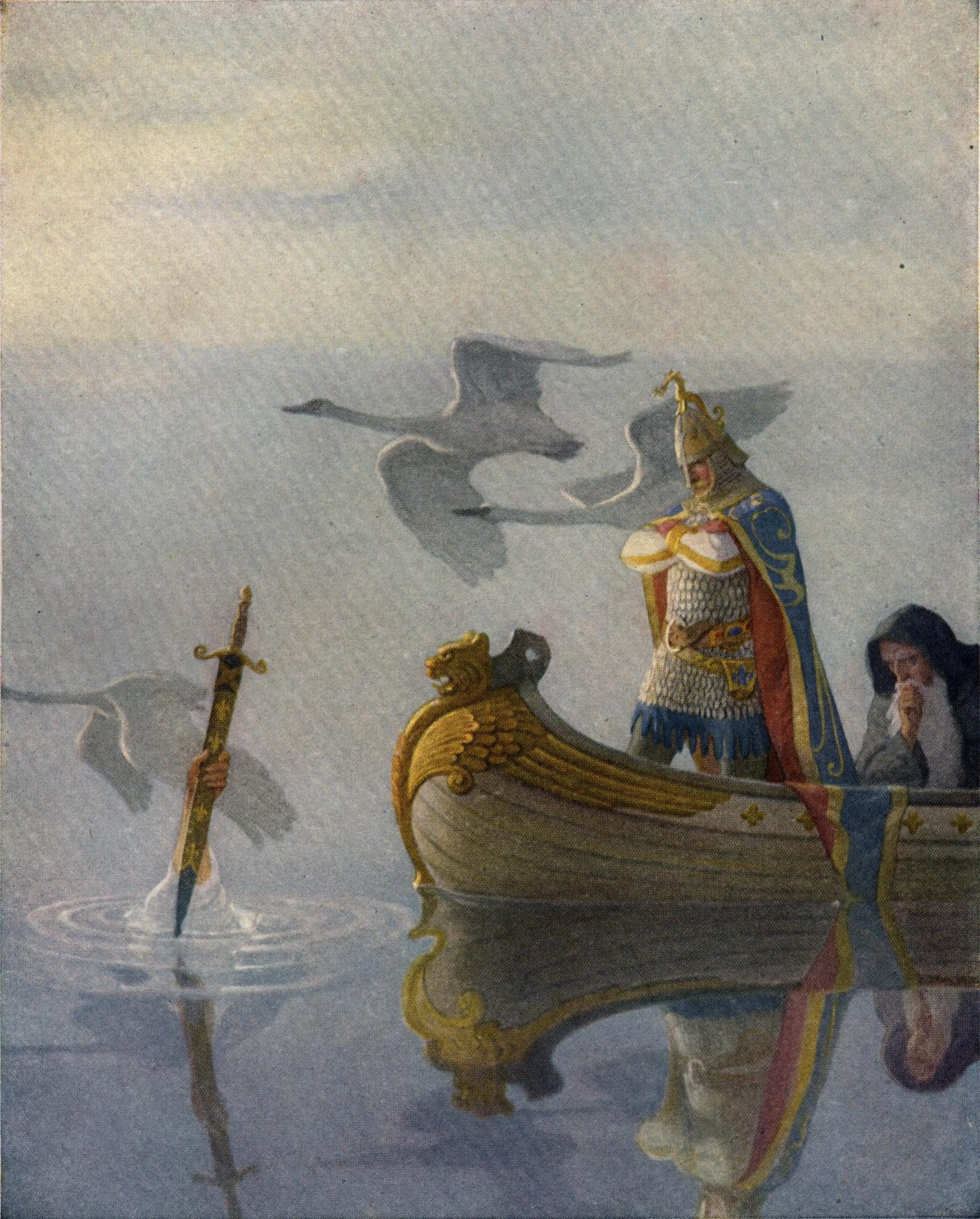
In the 13th-century Post-Vulgate Cycle and Thomas Malory’s 15th-century Le Morte d’Arthur, King Pellinore is an important character. Very early in Arthur’s reign, Arthur jousted against King Pellinore over the right to pursue the Questing Beast. Pellinore beat Arthur and broke the sword that Arthur had pulled from the stone. He would have killed Arthur, but Merlin cast a spell on Pellinore to prevent him from doing so.
It is this battle which motivates Arthur to find a new sword, resulting in him receiving the famous Excalibur from the Lady of the Lake.
Battling the Rebel Kings
The earliest records about Arthur make no mention of this, but from the 13th century onwards, there was a tradition that many British kings rebelled against Arthur at the start of his reign. This appears, for example, in the Vulgate Cycle and also in Le Morte d’Arthur.
This tradition tells of how Lot, the king of Lothian in southern Scotland, led a rebellion against Arthur. He was joined by his two brothers, Urien and Augusel, as well as several other kings, totalling six rebel kings. They did not want to submit to Arthur’s reign, possibly because he was so young.
The Battle of Carlion
Lot and the five other kings arrived at Arthur’s court at Carlion (that is, Caerleon in southeast Wales). They made clear their rebellious intent and then besieged Arthur after he sought refuge in a tower. After some encouragement from Merlin, Arthur led an attack force against the rebel kings.
With help from the common people as well, the rebel kings were defeated. They fled, but the war was not over yet.
The Battle of Bedegraine
Lot and his five companions gained the support of five more kings, bringing the total to eleven rebel leaders. They fought against Arthur and besieged him at the Castle of Bedegraine. Arthur had many allies on his side, including King Ban of Benwick (the father of Lancelot) and King Bors of Gaul.
The resulting battle was enormous, involving tens of thousands of soldiers on both sides. Countless men were slain in the conflict. However, the kings themselves were able to get through the battle mostly unscathed. Eventually, after so many of the rebel soldiers had died, with victory clearly on Arthur’s side, Merlin interrupted the battle. He declared that Saracens (likely meaning Saxons) had invaded the lands of the eleven rebel kings.
Seeing that they had no hope of victory and that continuing would just harm their own sovereignty even more, the rebel kings submitted to Arthur. Some of them then became his loyal knights, such as Lot and Urien.
The Battle Against King Rience
There was another king who rebelled against Arthur around this time, although he did not take part in the rebellion led by King Lot. After those eleven kings were subdued, a king named Rience, from North Wales, expressed his hostility against Arthur. He had the beards of eleven previous kings whom he had defeated sewn onto his robe, and now he wanted Arthur’s beard to add to his collection.
This same basic story appears earlier, in the 12th-century Historia Regum Britanniae. There, Geoffrey of Monmouth calls Rience by the name ‘Ritho’, which is undoubtedly more accurate. Geoffrey explicitly describes Ritho as a giant.
Most versions of the story have Arthur defeat Rience, or Ritho, in single combat in North Wales.
The Battle Against the Red Knight of Estremores
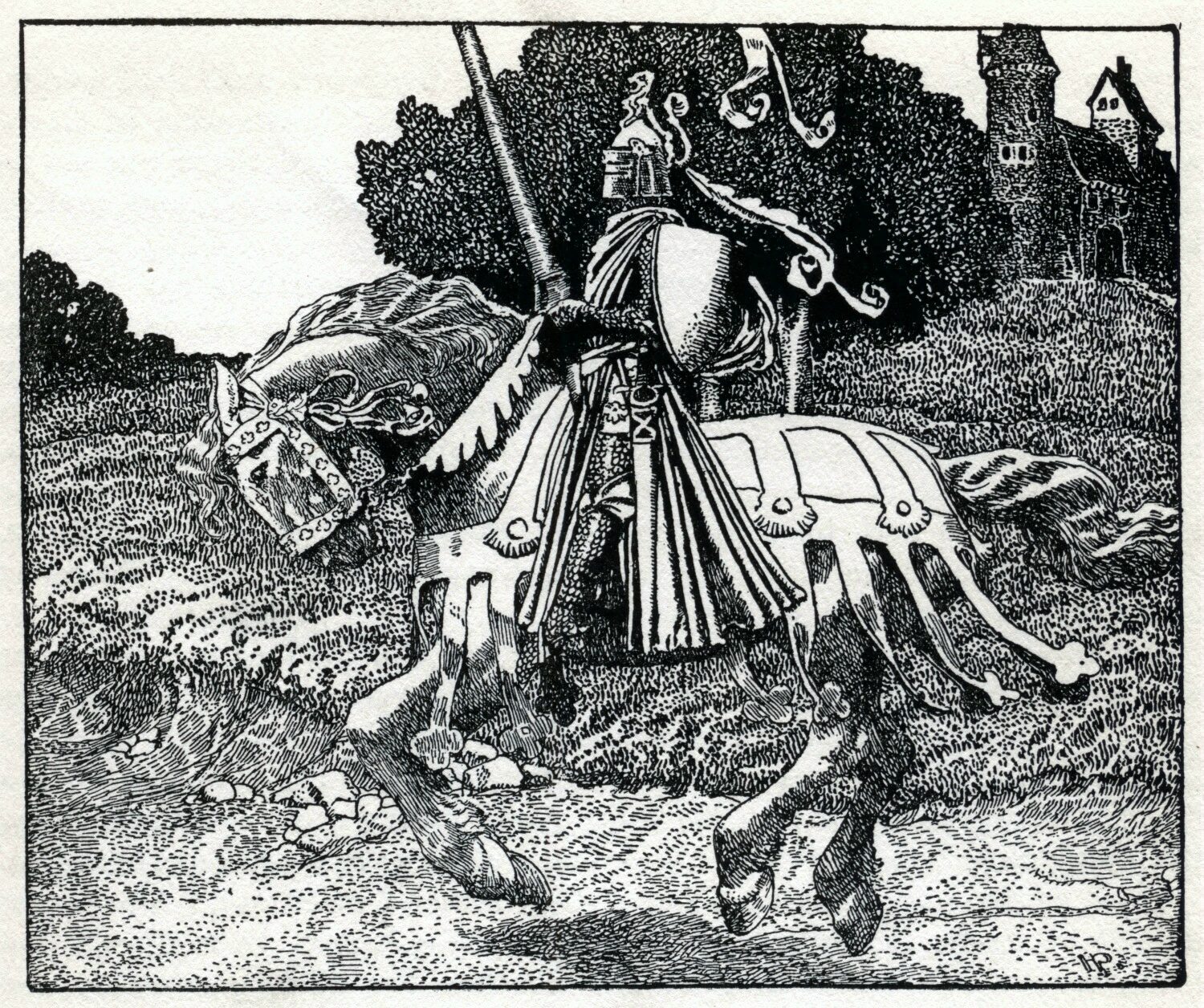
In the Suite de Merlin from the Vulgate Cycle, written in the 13th century, Arthur faced an enemy known as the Red Knight of Estremores. His personal name was Roalais. The account does not delve into detail about why they were enemies, but in any case, Arthur engaged in battle against him.
Roalais’ nephew Plares died in the fighting, and then Roalais himself was defeated in single combat against Gawain. However, Roalais’ life was spared. In fact, after defeating him, Arthur invited him to join the Knights of the Round Table. Roalais accepted, and then joined Arthur in his battles against the Saxons.
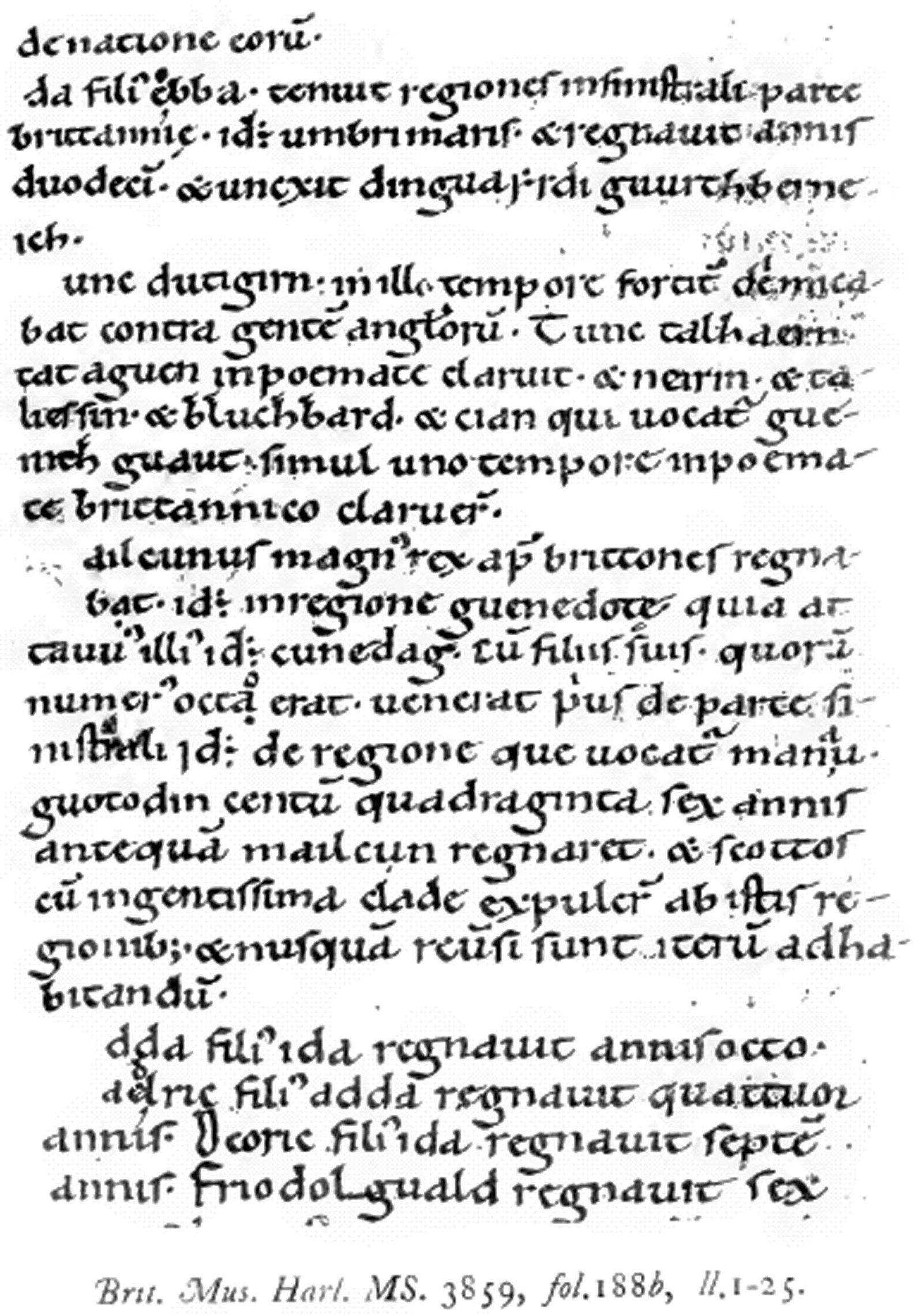
The Twelve Battles Against the Saxons from Nennius’ Historia Brittonum
The Historia Brittonum is the earliest source for Arthur’s battles. It dates to c. 830 and is traditionally attributed to a monk called Nennius, although this authorship is no longer widely accepted. It is the earliest definite source that mentions Arthur, and it presents him as the leader of a coalition of British kings and commanders in their war against the Anglo-Saxons.
This source provides a list of twelve battles at which Arthur was the leader of this alliance. In all twelve, he is said to have been the victor. Thus, the very earliest source in the whole corpus of Arthurian literature presents Arthur as a successful war leader, first and foremost.
There is no consensus on the historicity of this list of battles. Many scholars believe that it was taken directly from a poem and transformed into a prose account, including John T Koch, Norris J Lacy, and Hector & Nora Chadwick. There are many examples of poems written by bards to praise the exploits of their patron kings, some of which even date back to the seventh or even sixth century. Therefore, this theory is quite sensible.
On the other hand, other scholars see this list as fictional. They believe that it was created by taking battles mentioned from a variety of other sources and sticking them all together, attributing them to a single leader. Nicholas Higham is one of the main proponents of this theory today.
The Battle on the River Glein
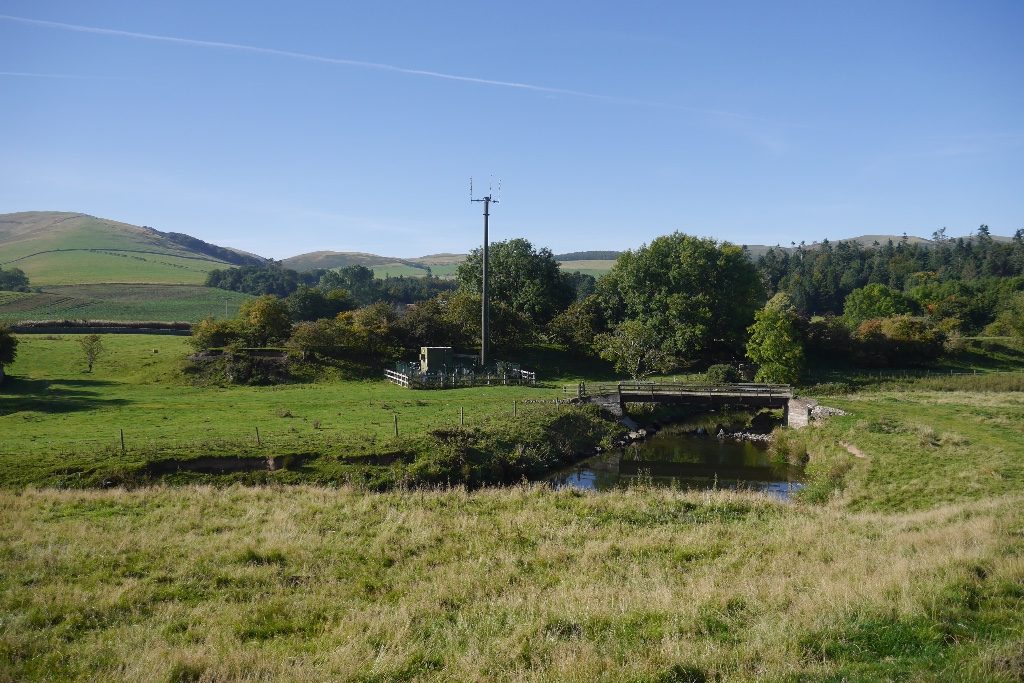
The first of Arthur’s battles listed in the Historia Brittonum is described as taking place ‘at the mouth of the river which is called Glein.’ There is no universal agreement regarding where this River Glein was. Currently, there are two rivers in Britain called the River Glen, one in Lincolnshire and the other in Northumberland.
For this reason, researchers usually identify one of these two rivers as the site of this battle. However, there is another river in Britain which has sometimes been proposed. This is Glen Water in southern Scotland.
The problem with a site as far north as Scotland is that the Historia Brittonum places Arthur’s battles within the first half of the sixth century. Yet, the Anglo-Saxons had barely got further north than York by the middle of that century. Therefore, it is unlikely that they would have been fighting battles with Arthur as far north as Scotland. For this reason, the River Glen in Lincolnshire is the most attractive of the three suggestions.
The Battles on the River Dubglas
The next location in the Historia Brittonum’s list was allegedly the site of more than one battle. In fact, it claims that the second, third, fourth, and fifth battles were fought here. The account says that these were fought ‘on another river which is called Dubglas and is in the region Linnuis.’
Again, there is controversy as to where this location really was. Most scholars agree that ‘Linnuis’ comes directly from the Latin ‘Lindenses’, referring to the region around the Roman settlement of Lindum. This settlement is now Lincoln, meaning that ‘Linnuis’ would be Lindsey, a Dark Age kingdom in Lincolnshire centred on Lincoln.
Although this is linguistically sound, there is no river in this region that is known to have been called ‘Dubglas’ (or its modern equivalent, ‘Douglas’). However, this word simply means ‘black water’, and there are plenty of muddy rivers in the area, any one of which might have been called the River Dubglas.
Still, other researchers prefer to identify the River Dubglas with the River Douglas in the region of Lennox, Scotland. Others place it in the south of England, identifying it with rivers with the word ‘Devil’s’ in the name, since that can also derive from ‘Dubglas’.
The Battle on the River Bassas
Of all the sites mentioned in this list of twelve battles, the River Bassas is the hardest to identify. Scholars and independent researchers over the past century or so have identified it with all manner of different locations all over Britain.
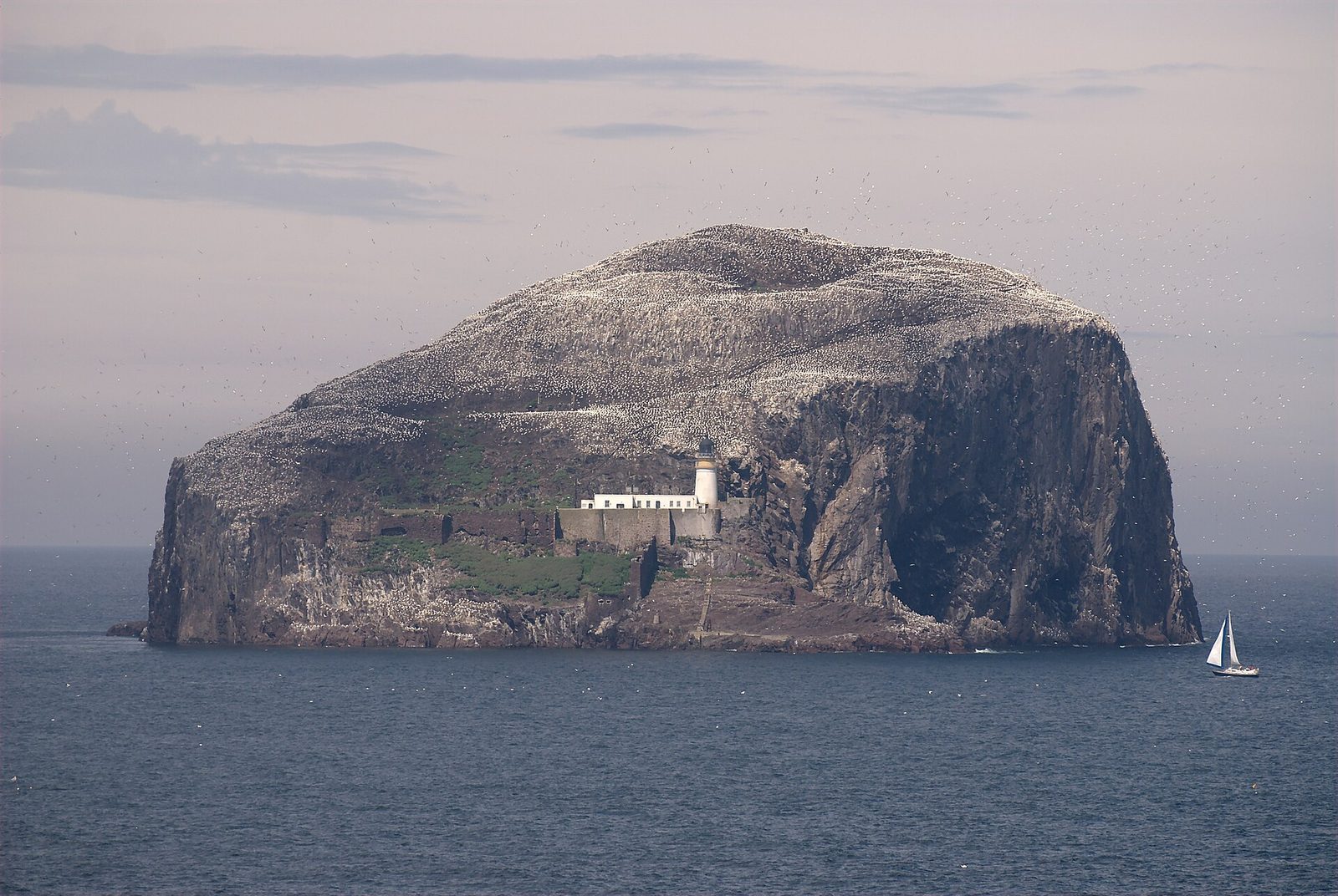
Unlike with most of the other locations, there is no location in Britain known today whose name exactly matches ‘Bassas’. However, there are some place names that are reasonably close. For example, Bass Rock off the coast of East Lothian in Scotland has been connected to Bassas. This connection is unlikely, however, since Bass Rock is a rock formation in the sea; it is not a river.
More likely locations include Cambuslang in Greater Glasgow (although this is unlikely for linguistic reasons) and Old Basing in Hampshire. Perhaps the most likely location is Baschurch in Shropshire, known in medieval Welsh texts as ‘Eglwyssau Bassa’ – that is, ‘Churches of Bassa’.
Still, none of these locations are rivers, so there is still intense debate about this location. Some researchers have even been reduced to arguing for a corruption in the name as recorded in the Historia Brittonum.
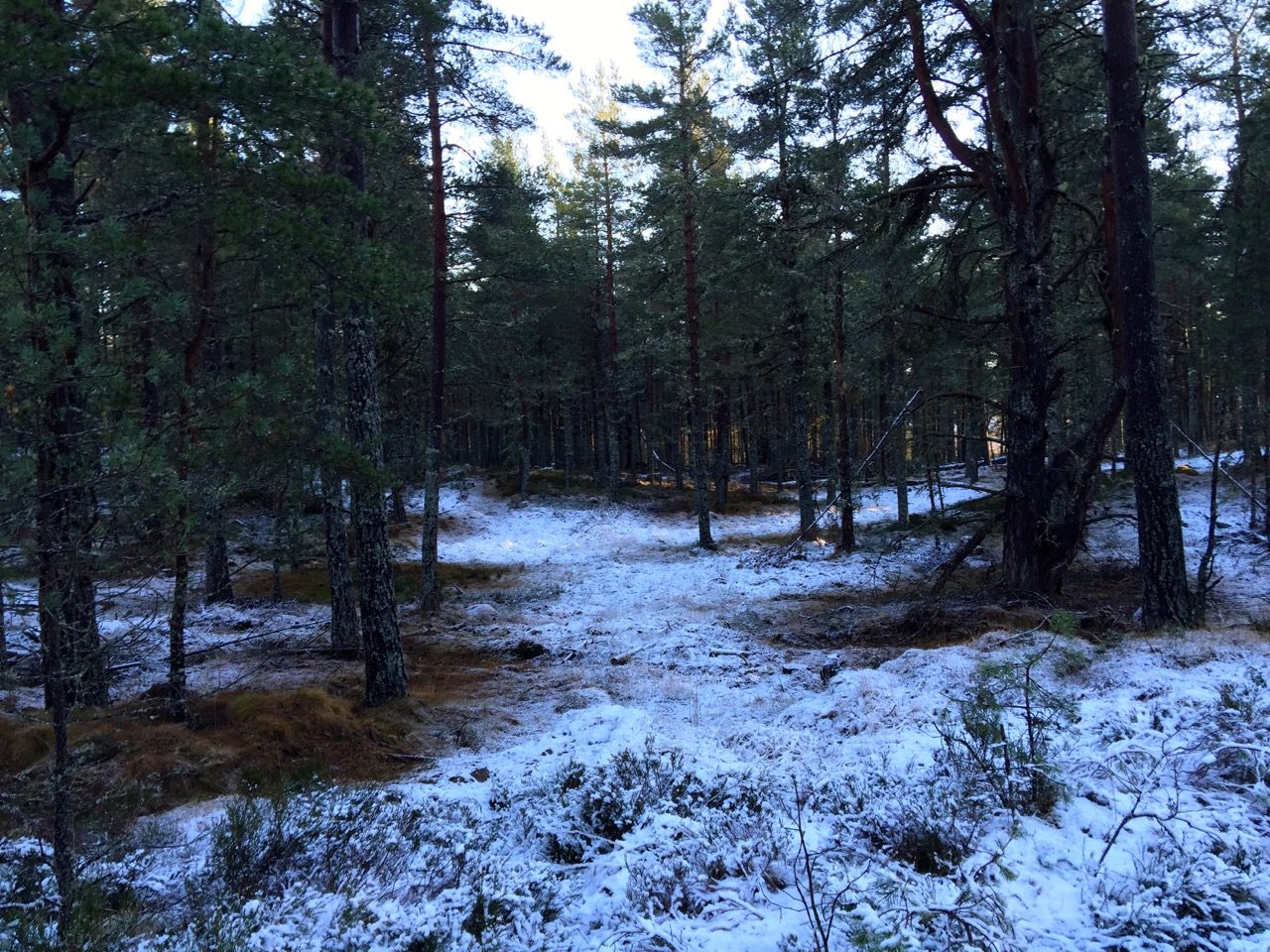
The Battle in the Caledonian Forest
In complete contrast to the previous site, there is almost universal acceptance regarding the location of this next battle. The Historia Brittonum says that this seventh battle was ‘in the Celidon Wood, which the Britons call Cat Coit Celidon.’
The term ‘Cat Coit Celidon’ simply means ‘the battle of Celidon Wood’ in Old Welsh. It is obvious that the Celidon Wood is the same as the place called the Caledonian Forest in Roman records about Britain. These Roman records place it in Scotland. They do not provide a precise location, and it is difficult to know how far south it extended.
In any case, Arthur allegedly fought a battle somewhere in this large forest in Scotland. How could Arthur have fought a battle against the Saxons in Scotland if the Saxons were not active that far north in the first half of the sixth century? One suggestion is that they fled further north after being beaten by Arthur at the previous battles.
According to the Historia Regum Britanniae, written in c. 1137 by Geoffrey of Monmouth, it was at this battle that Arthur forced the Saxon army to leave Britain entirely and sail back to Germany. However, there is no hint of this in the Historia Brittonum’s account, so the authenticity of this tradition is dubious.
The Battle of Guinnion Fort
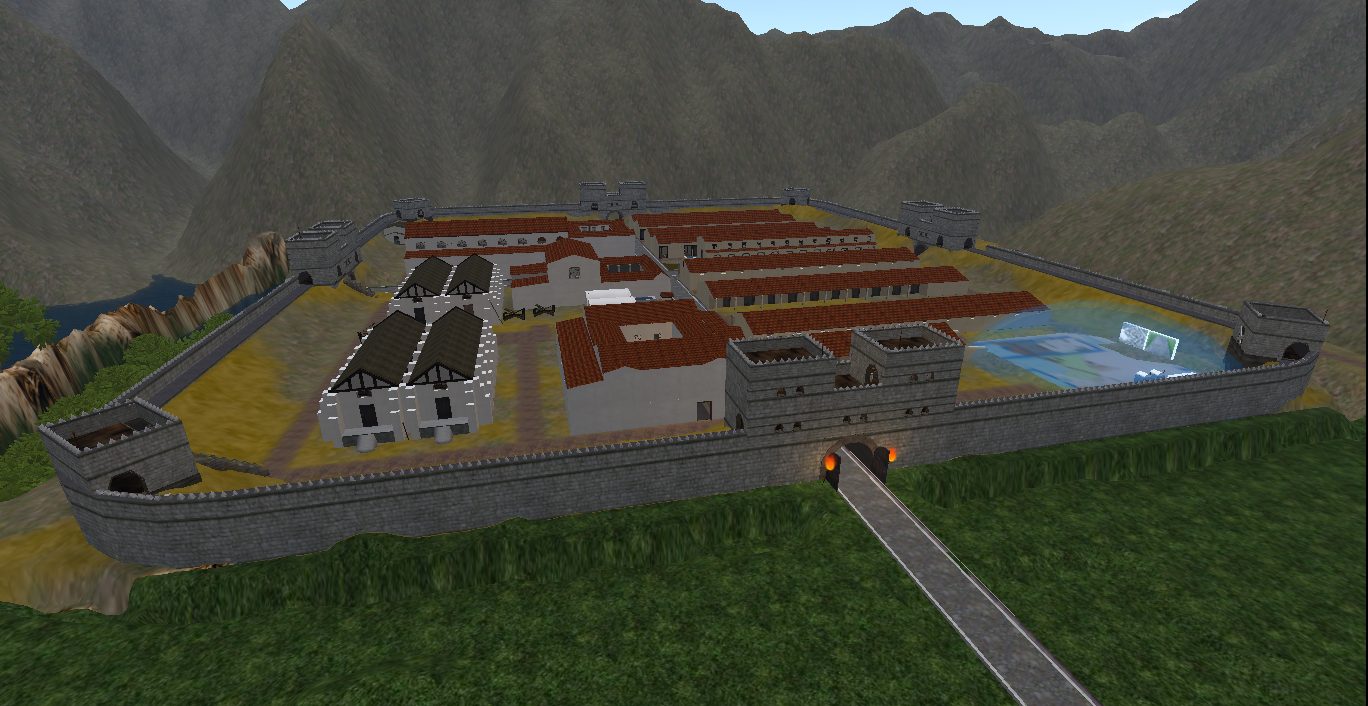
Arthur’s eighth battle against the Saxons was at the site of a fort called Guinnion. As with most of the other battle sites, there is considerable debate over the location of Guinnion Fort. Due to some of the other battles having been fought most probably in the north of England or southern Scotland, some researchers place Guinnion in that same area.
For example, some have argued that Arthur fought this battle at Stow of Wedale in southern Scotland. One manuscript of the Historia Brittonum explicitly claims this, but this is not in the original, so the tradition is questionable. Some modern sources claim that there was a Roman fort in the area, which a few researchers have identified as Guinnion Fort.
Other researchers have identified Guinnion Fort with Caerwent in southeast Wales, based on the perceived similarity between ‘went’ and ‘guin’, as well as the fact that ‘Caer’ means ‘Fort’. Based on the same principles, others have identified Guinnion Fort with Winchester (note that ‘chester’, likewise, means ‘fort’).
A more likely suggestion is Vinovium at Binchester, just south of Northumberland. The Latin ‘v’ became ‘gu’ or ‘gw’ in Welsh.
Of the twelve, this is the battle which receives the most detail in the Historia Brittonum. It says that ‘Arthur bore the image of the Holy Virgin, mother of God, upon his shoulders, and through the power of our Lord Jesus Christ, and the holy Mary, put the Saxons to flight, and pursued them the whole day with great slaughter.’
It is widely accepted that the word here translated ‘shoulders’ is a mistake for ‘shield’, since both words were virtually identical in Old Welsh (‘scuid’ for ‘shoulder’ and ‘scuit’ for ‘shield’). However, this is not necessarily the case.
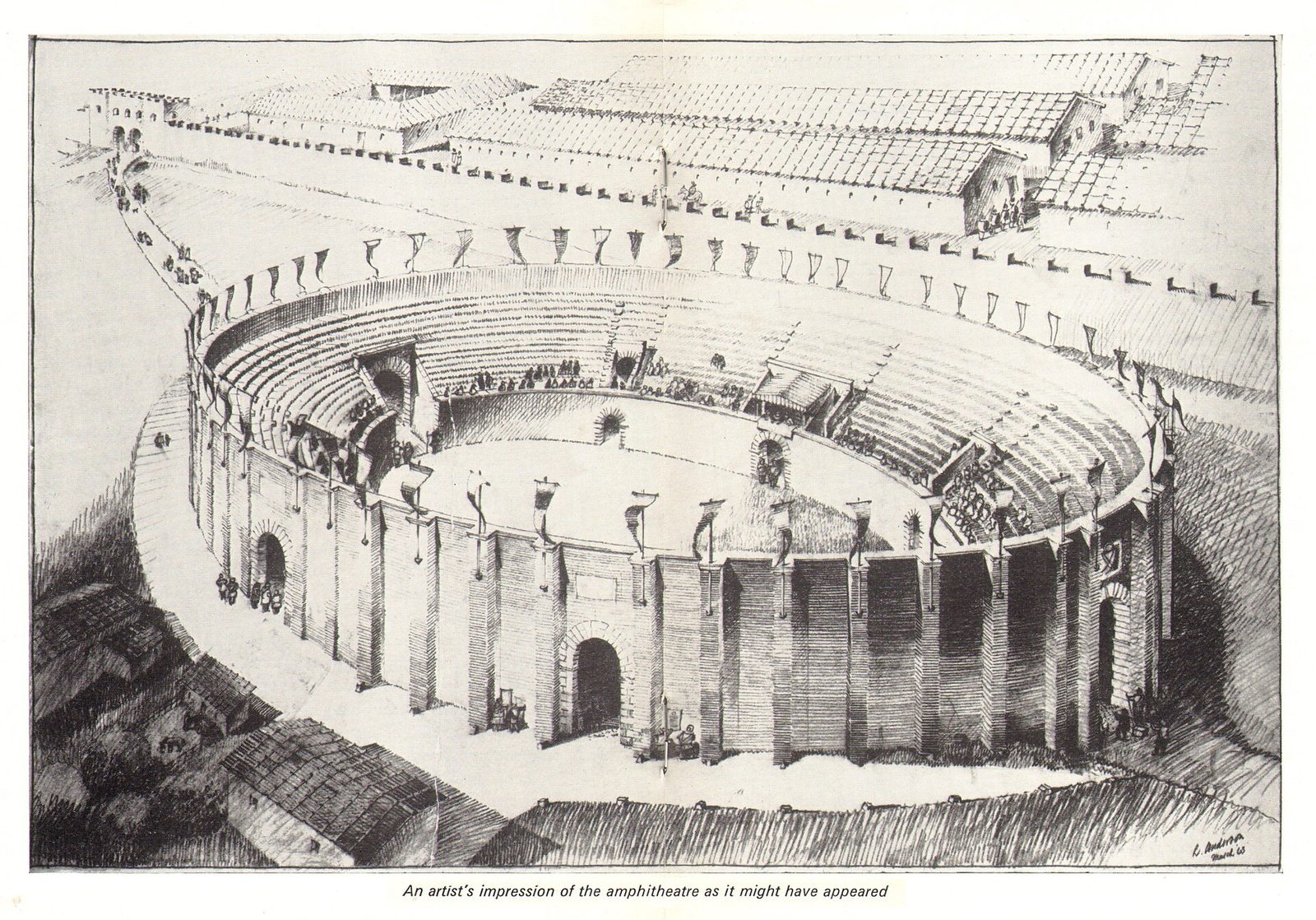
The Battle of the City of the Legion
The next battle fought by Arthur is listed as being fought at the City of the Legion. This is almost universally accepted as being fought at either Caerleon, in southeast Wales, or at Chester, near the border of northeast Wales.
Interestingly, this is one of the battles which some scholars claim was taken from other sources and misattributed to Arthur. This is because there was a famous and significant battle which was fought at Chester in slightly later Welsh history. It occurred in the first quarter of the seventh century, around 615.
This was a famous defeat of the Welsh by the Anglo-Saxons, so the idea that it would be attributed to Arthur as one of his victories is not inherently logical. Nonetheless, it is a claim that is often repeated.
The Battle on the bank of the River Tribruit
This eleventh battle features a return to fighting near rivers, as per the first few battles in the list. This river was called Tribruit. Interestingly, this is one of the only battles in this list of twelve which also features in Welsh texts.
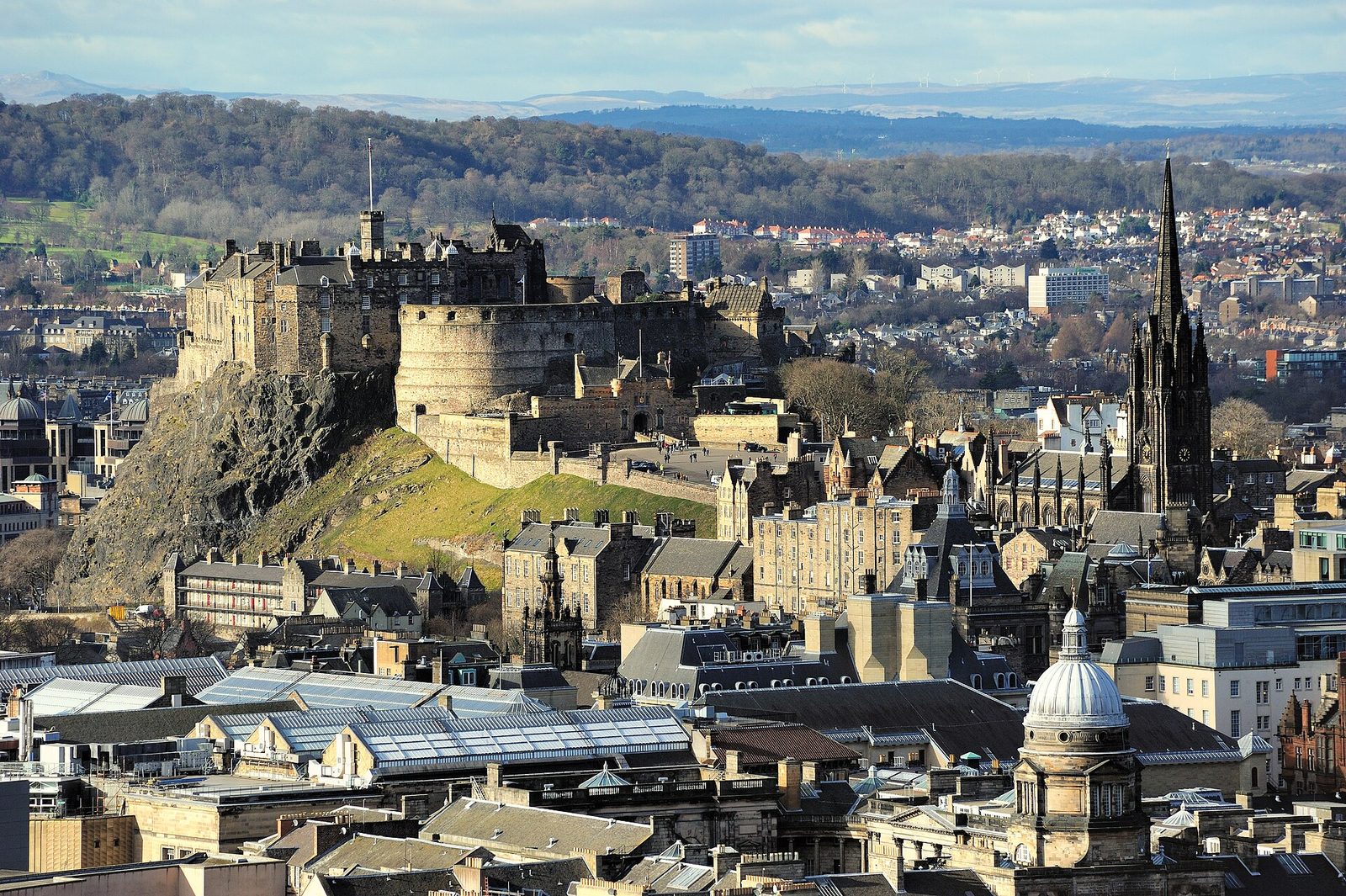
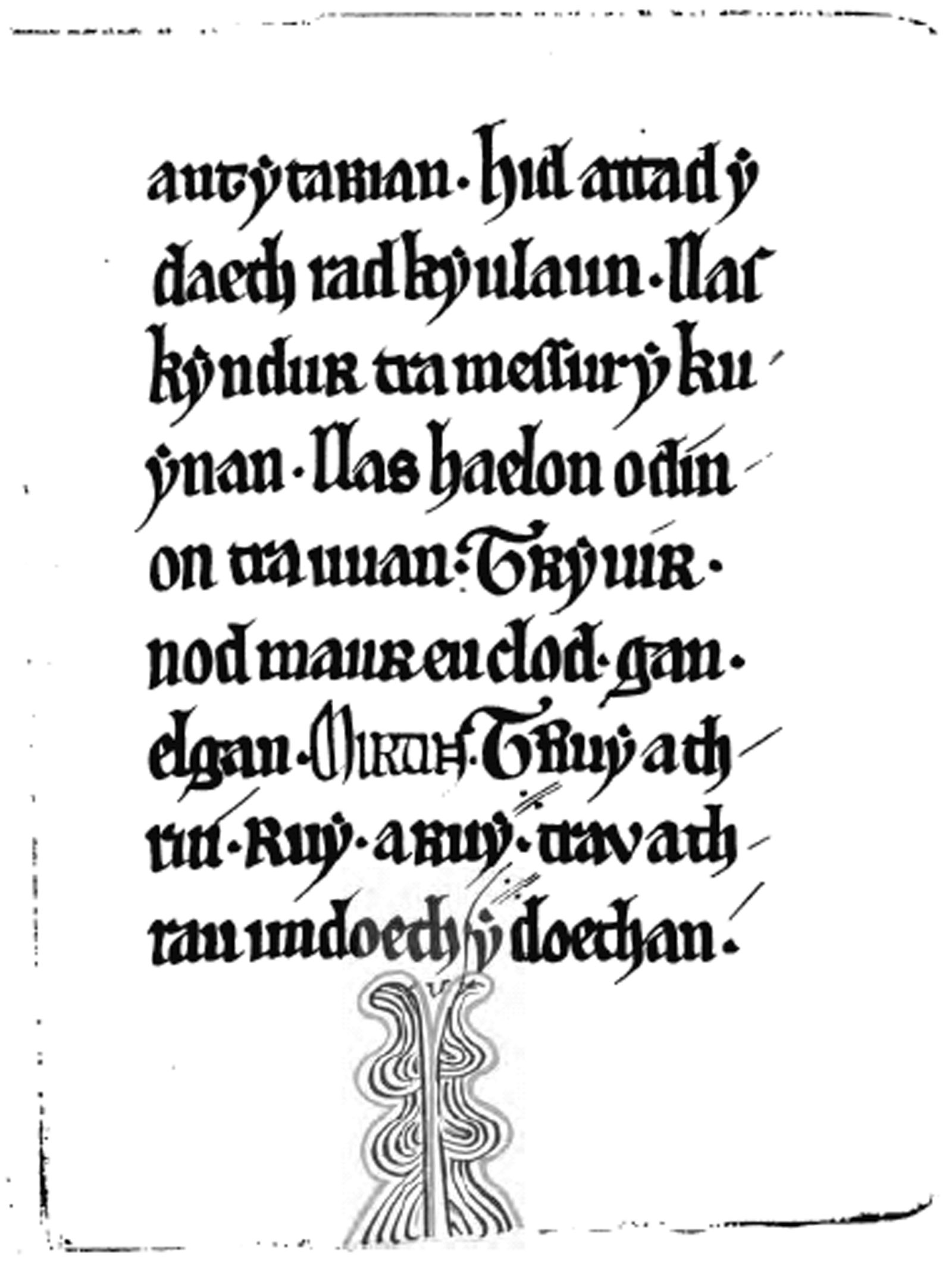
In a poem known as Pa Gur, which dates from the ninth century, one of Arthur’s men is said to have fought at a place called Tryfrwyd. This is simply the Welsh form of the place name Tribruit. There is no universal agreement as to where Tribruit was, but this poem also mentions one of Arthur’s men fighting at Mynydd Eidyn, which is Edinburgh in Scotland. On this basis, it seems likely that Tryfrwyd, or Tribruit, was in the same general area.
Some scholars identify it with the River Ribble, although with no obvious basis other than a very vague similarity in the names. More convincingly, it has been identified with a location along the banks of the River Forth.
However, an alternative proposal places it in the south of the country, at Treyford near Chichester.
The Battle of Mount Agned
This eleventh battle of Arthur’s against the Saxons was fought, not by a river or a fort, but on a mountain. Like many of the others, there is considerable controversy surrounding its name, with some researchers deciding that it must be a corruption of the original form. Like with ‘Bassas’, no site in Britain exactly matches the name ‘Agned’.
However, Geoffrey of Monmouth’s Historia Regum Britanniae identifies Mount Agned with Edinburgh. This is plausible, inasmuch as it would dovetail nicely with the reference to the battle on Mynydd Eidyn in the Arthurian poem Pa Gur.
Things are not this simple, though. Some manuscripts of the Historia Brittonum, including a particularly early one from the tenth century, give this battle site a different name. They name it ‘Breguoin’ (and similar variations). Many scholars believe that this refers to Bremenium, a Roman fort in Northumberland.
In a Welsh poem about the exploits of Urien Rheged, a historical king of the mid to late sixth century, there is a reference to him fighting a battle at ‘Brewyn’. This is generally viewed as an evolution of the place name ‘Bremenium’. Because of this, some scholars claim that this battle of Arthur’s was actually taken from this battle list about Urien.
The Battle of Mount Badon
Arthur’s final battle against the Anglo-Saxons was fought at a place called Mount Badon. This is undoubtedly the most famous of Arthur’s battles, and it is also the one which we know for sure was historical. It is mentioned in De Excidio, a text written by the sixth century writer Gildas. He explained that it occurred in the year of his birth, so this is a near-contemporary source.
According to Gildas, this was a siege, not merely a pitched battle. Since he and later sources refer to Badon as a mountain, we can conclude that it was the siege of a hill fort of some kind. Of all Arthur’s battles, this is the one which researchers have been most interested in locating.
Both Geoffrey’s HRB and Welsh tradition suggest that this battle may have been somewhat separated from the previous ones, so the locations of the others do not necessarily indicate the location of this one. There is general agreement that it was somewhere in the southwest of Britain. Popular candidates include Badbury Rings in Dorset, Solsbury Hill near Bath, Liddington Castle in Wiltshire, and Mynydd Baedan in Glamorgan.
This battle was such a decisive victory that it kept the Anglo-Saxons at bay for at least the next forty-three years, at which time Gildas wrote his De Excidio.
Many scholars believe that this battle was originally fought by a military leader named Ambrosius Aurelianus and then misattributed to Arthur, but this theory is disputed.
Battles Around the British Isles
The Historia Brittonum does not give any record of Arthur’s exploits after the Battle of Badon. However, Geoffrey’s 12th century HRB goes into extensive detail about this period, explaining that Arthur went on to wage war against the native inhabitants of other areas in the British Isles, the Picts and the Scots (the ‘Scots’ of this period being the Irish).
Although the historicity of these events is questionable due to the lateness of the source, the idea that Arthur fought against the Picts is supported by earlier sources. For example, it is heavily implied by the ninth century poem Pa Gur, mentioned earlier.
Battle in Scotland
After defeating the Saxons once and for all, Arthur turned his attention to the Picts and Scots in the north in Britain (while the Scots were from Ireland, they had established a kingdom in part of Scotland by c. 500 CE). He drove them from the region of Alt Clut, by the River Clyde, and pursued them to a place Geoffrey calls Mureif. This would appear to be Moray, near the north east of the country. Yet, there is reason to believe this is a mistake for a somewhat more southerly location.
Arthur continued pursuing the Picts and the Scots, driving them to Loch Lomond, again near the River Clyde. This large loch, or lake, has numerous islands within it. The Picts and Scots sought refuge on these islands, but Arthur raised a fleet and continued the attack, slaughtering thousands of them.
During this battle, King Guillamurius of Ireland came with an army to attack Arthur. The British king defeated this attack, sending Guillamurius back to Ireland. This gave time for the Picts and Scots to plan a course of action. They got all the bishops of the land and sent them to ask Arthur for mercy, which he granted.
Battle in Ireland
After this, Arthur set out to attack Ireland. He faced King Guillamurius for the second time, this time in that Irish king’s home country. But despite Guillamurius’ huge army, most of the soldiers fled from Arthur in fear. The Irish king was then taken prisoner and forced to submit to Arthur, as did many other princes of the country. Satisfied, Arthur returned to Britain.
European Battles
The HRB goes on to explain that Arthur then sailed with a fleet to Iceland and subdued the country there. After this, he travelled to Norway to help his relative Lot attain the throne there. He set out with a large fleet, although the Norwegians were prepared for him and had fortified their cities.
An enormous battle ensued, with much slaughter on both sides. Eventually, the Britons were able to kill the Norwegian king, Riculf, and they subdued the country – as well as neighbouring Denmark – under Arthur’s rule.
Battles Against the Romans
Arthur’s next campaign took him into direct conflict with the Romans. Despite not appearing in earlier records, this forms the bulk of the Arthurian material found in the Historia Regum Britanniae.
The Battle Against Frollo
Arthur attacked the country of Gaul, which was under the rule of a Roman named Frollo. When the two armies met, most of Frollo’s army abandoned him and switched sides. Arthur then pursued Frollo, chasing him to Paris.
After a long siege, Arthur defeated Frollo in single combat within the city. He then went on a campaign to subdue all the cities of Gaul over the course of nine years. Satisfied with his conquests at last, he returned to Britain.
The Battle of Siesia
Four years later, the Romans demanded tribute from Arthur, angering him. He raised an enormous army and set out to attack Rome itself. The Romans, likewise, raised a large army, allying themselves with many non-Roman nations.
By the following year, the two armies clashed in an enormous battle at a place called Siesia. This was such an enormous battle that it can truly be called the climax of Arthur’s battles in the Historia Regum Britanniae, despite the fact that it was not actually his last.
It is described as an incredibly bloody battle on both sides. Arthur lost innumerable men, including various commanders and allied kings. Yet, eventually, the Britons came off victorious and defeated the Romans.
The Final Campaign
Shortly after defeating the Romans, Arthur heard of an uprising in Britain. His nephew Mordred had taken over the throne. Arthur rushed back to Britain to deal with this usurpation.
The Battle of Llongborth
The first clash between Arthur’s and Mordred’s forces took place upon Arthur’s landing. The HRB claims that he landed at the port of Rutupi, although historically that would be impossible, as that was deep within Saxon territory.
Interestingly, there is a record of Arthur fighting a battle on a shore in the tenth century Welsh poem Geraint ap Erbin. Arthur’s ally Geraint is described as dying at this battle. Several details from other records support the view that Geraint died near the end of the Arthur’s reign, which therefore supports the idea that this is the same battle described here in the HRB.
The Welsh poem places this battle at a place called Llongborth. There is a lot of speculation about where Llongborth was, with the most common suggestions being Portchester, on the south coast of England, or Llanborth, on the west coast of Wales.
In any case, Arthur was victorious in this initial fight against Mordred, causing his nephew to flee.
The Battle of Camlann
Arthur pursued Mordred to Winchester, where he besieged him for a short time, before the two sides engaged in pitched battle. Mordred’s side came off worse, so he continued fleeing. Finally, they arrived at a place called Camlann.
Like Siesia, this was a dramatic, bloody battle that resulted in serious bloodshed on both sides. Many of Arthur’s men were slain there. Even Arthur himself was grievously wounded, causing him to abdicate. As for Mordred, he was killed during this battle. Later tradition claims that Arthur and Mordred fought directly against each other, with them both being responsible for each other’s final blows.
Although we cannot confirm that this battle really occurred, it is mentioned in the tenth century Annales Cambriae, lending some important support to its historicity.
There is considerable speculation about where Camlann really was, but most commentators place it further north than Badon. One popular modern theory is that it was near the Roman fort of Camboglanna. However, Welsh tradition appears to point towards the area of Afon Gamlan in northwest Wales. On the other hand, Geoffrey of Monmouth places it on the River Camel in Cornwall.
Conclusion
In summary, we can see that King Arthur is consistently presented as a mighty war leader, right from the start of his reign through to the very end. He is almost never presented as losing a battle. He was most famous as the vanquisher of the Saxons, but he also fought against the Picts, Scots, fellow Britons, and allegedly even the Romans.
FREQUENTLY ASKED QUESTIONS
How Many Battles Did Arthur Fight?
The most historically valuable source regarding Arthur, the Historia Brittonum, claims that Arthur fought twelve battles against the Saxons. A slightly later but still valuable source, the Annales Cambriae, adds Arthur’s final battle, Camlann. However, other sources (such as Welsh poetry) attest to various battles against other enemies, so it is impossible to give a precise number.
Did King Arthur Win All His Battles?
According to most sources, Arthur won all his battles against the Saxons. A notable exception to this is the 13th-century Hanes Gruffydd ap Cynan, which claims that Arthur lost his first battle. Also, Arthur’s final battle, Camlann, was only a Pyrrhic victory. He defeated his enemy, but at a cost so great to himself that he abdicated and, according to some sources, was mortally wounded.
Who Did Arthur Fight?
Arthur’s main enemies were the Saxons, since they were conquering much of Britain during the fifth and sixth centuries. However, he also fought against the Picts, from northern Britain, and the Scots, from Ireland and also northern Britain. Later legend claims that he waged war against the Romans too. His final battle was allegedly against his own countrymen, and later legend claims that he fought a civil war at the beginning of his reign too.
Where Was the Site of Arthur’s Last Battle?
King Arthur’s last battle took place at a location called Camlann. No one knows for sure where Camlann was. Geoffrey of Monmouth’s Historia Regum Britanniae places it on the River Camel in Cornwall, but this is not a convincing identification. Most researchers place it further north. A popular suggestion is Camboglanna, which was a Roman fort near Hadrian’s Wall. However, some scholars argue that ‘Camboglanna’ would not have evolved into ‘Camlann’ by the time Camlann first appears in the records. A more convincing identification is Afon Gamlan in northwest Wales. Welsh tradition supports this location.