The Battle on the River Glein

The Arthurian legends present King Arthur as fighting many battles against the Saxons. The first of these was supposedly the Battle on the River Glein. Very little is known about this battle, but it has been the subject of extensive speculation. This article examines the available evidence and analyses some of the opposing theories about it.
What was the Battle on the River Glein?
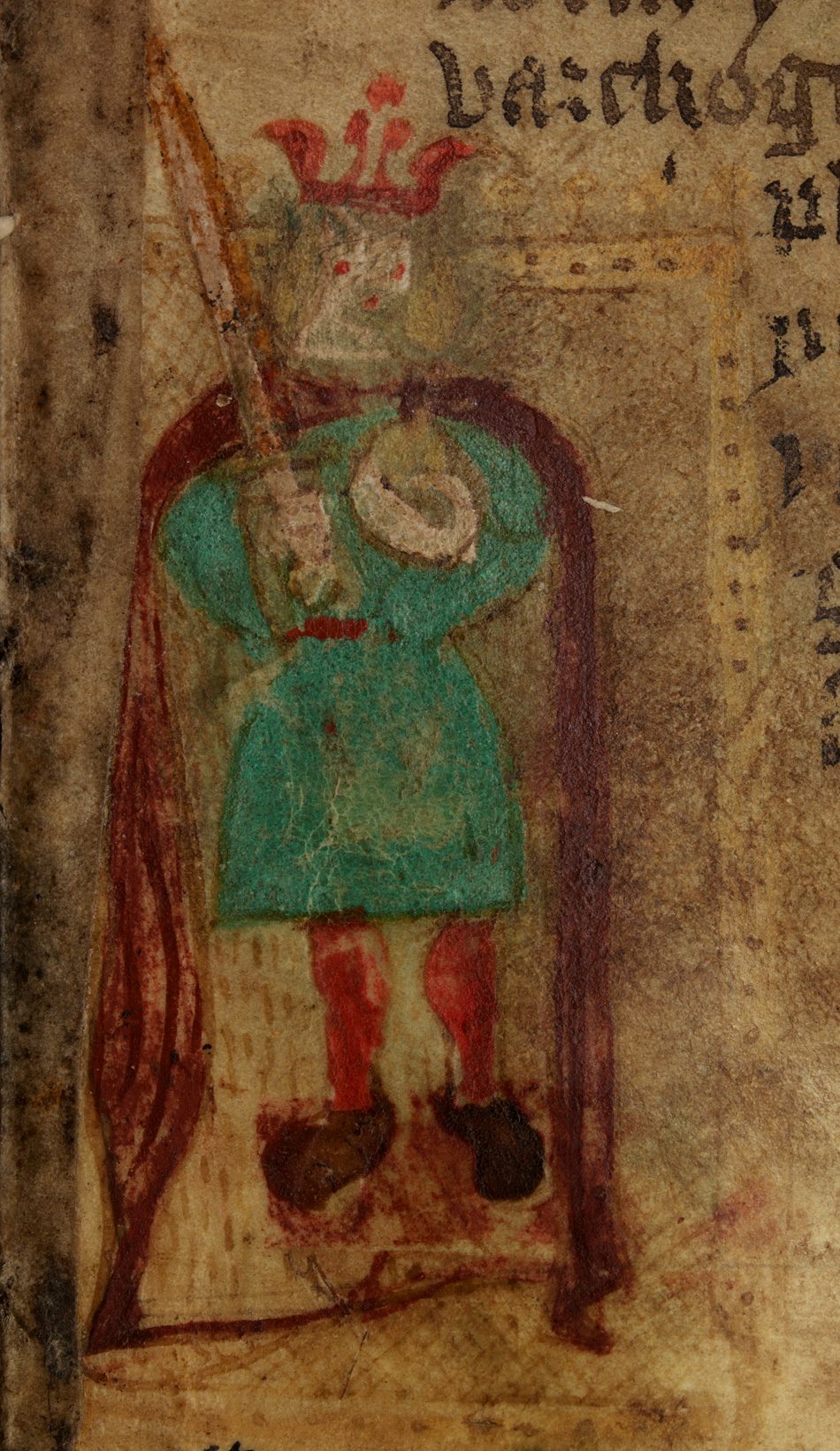
The Battle on the River Glein was the first of twelve battles fought by Arthur against the Anglo-Saxons. For much of the fifth century, the Anglo-Saxons had been campaigning against the Britons and conquering much of their territory. The war leader Ambrosius Aurelianus held them back for a while, but then some time after him (according to the Arthurian legend), Arthur started leading the Britons in war.
The first clash between Arthur and his Saxon enemies occurred at a place called the River Glein. The Britons were allegedly victorious, although this did not put an end to the war. Arthur went on to fight eleven more battles against the Saxons. Still, it was a notable start to Arthur’s effective campaign against the invaders.
The Battle on the River Glein in the Historia Brittonum
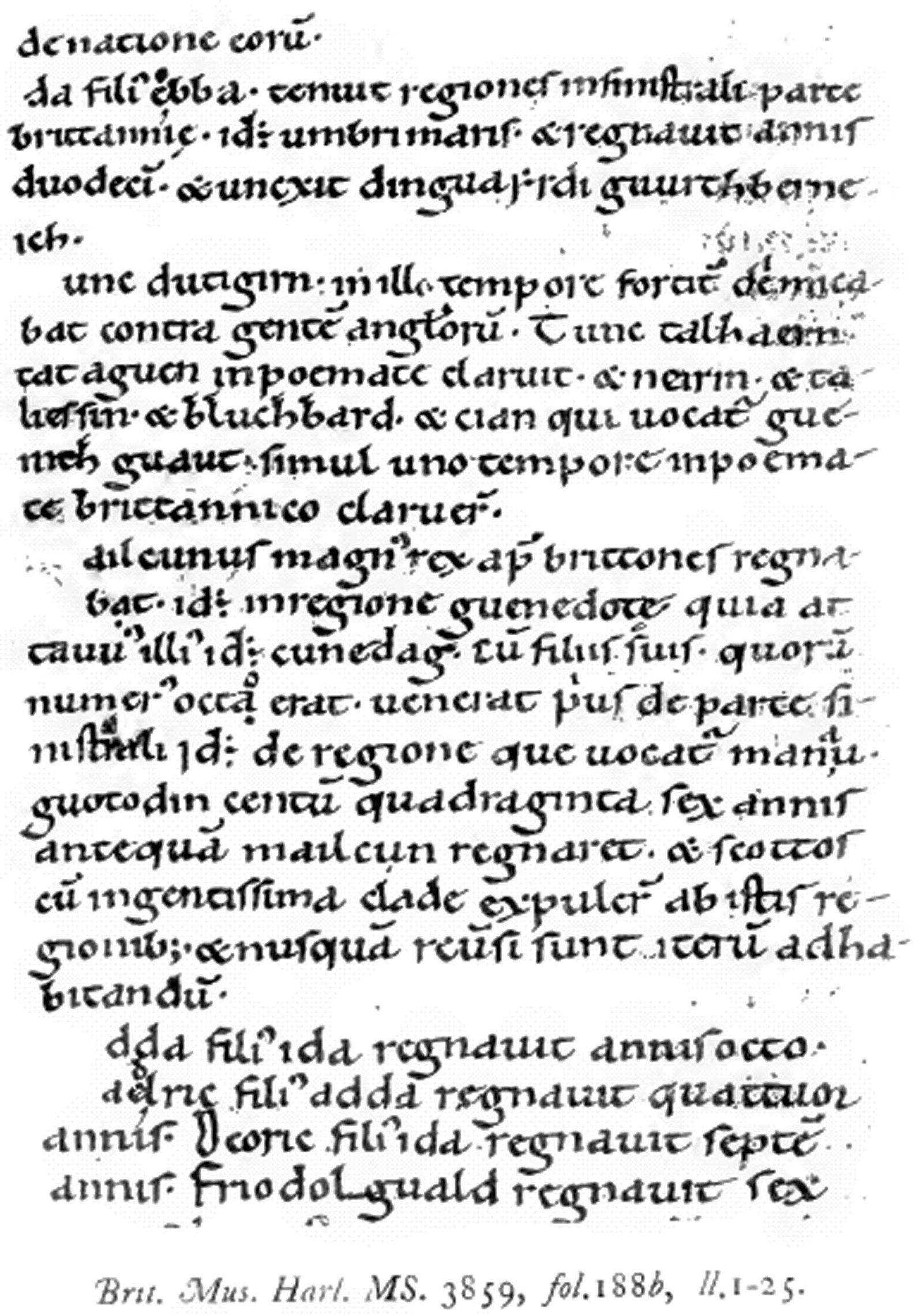
The earliest surviving record to mention the Battle on the River Glein is the Historia Brittonum, written in c. 830 and traditionally, though perhaps inaccurately, attributed to Nennius. This record contains an account of Arthur’s twelve battles. It begins like this:
“Then it was that the magnanimous Arthur, with all the kings and military force of Britain, fought against the Saxons. And though there were many more noble than himself, he was twelve times chosen their commander, and was as often conqueror. The first battle in which he was engaged was at the mouth of the River Glein.”
The account in the Historia Brittonum does not provide us with many details about the battle. However, it does inform us that it was not just Arthur and his own men who were fighting there. Arthur was leading an alliance of other kings and military leaders.
This account also tells us specifically that the battle happened at the mouth of the River Glein. This is helpful in locating where the battle may have taken place.
The Battle on the River Glein in Later Records
The Battle on the River Glein does not feature prominently in later records. It is not directly mentioned in Geoffrey of Monmouth’s landmark Historia Regum Britanniae, nor does it find a place in most subsequent Arthurian literature. It does not appear to be found in any Welsh tradition, either.
However, there is one notable reference to Arthur’s first battle. This is found in Hanes Gruffydd ap Cynan, a 13th-century document. It contains the following passage:
“Arthur, King of the Kings of the Island of Britain, and an eminent renowned hero, wrought twelve notable battles against the Saxons and the Picts: in the first of them he was vanquished and a fugitive because of treachery in Caer Lwytcoed (this place was Dinas y Llwyn Llwyt): in the other contests he was victorious, and deservedly paid in kind his oppressors, the Saxons and the Picts.”
Although it does not specifically name the River Glein, its reference to the first of 12 battles must logically be referring to it. In this passage, we find the astonishing statement that ‘in the first of them he was vanquished’. It is incredible here that we find the claim that Arthur actually lost this battle, because virtually every other piece of Arthurian literature claims that Arthur won all his battles.
Did Arthur Lose This First Battle?
However, since the firm tradition that Arthur won all his battles could plausibly have come directly from the Historia Brittonum, we could be dealing with a case of just one source against one source, rather than one source against multiple. Of course, we do need to consider the fact that the Historia Brittonum is much older than the Hanes Gruffydd ap Cynan, which gives it more weight.
Nonetheless, the idea that Arthur actually lost this battle on the Glein might explain why it is not mentioned in Geoffrey of Monmouth’s Historia Regum Britanniae. It may be that the Welsh text Geoffrey was translating preserved a record of Arthur’s battles independent of the Historia Brittonum, meaning that it did not contain the propaganda that he won a battle which he actually lost.
Rather, Geoffrey’s account simply jumps straight to the Battle on the River Dubglas, which is the second battle in the Historia Brittonum’s list. There are other examples of Geoffrey’s account skipping over a battle which the Britons historically lost (such as in his account of Caesar’s campaign through south east Britain in 54 BCE).
Therefore, could it be the case that Arthur actually lost the Battle on the River Glein, despite the claim of total victory found in the Historia Brittonum? We will likely never know. However, it is easy to see why a writer would make up the idea that Arthur won all his battles, yet it is not easy to see why a writer would make up the idea that Arthur lost his first battle.
Where was the River Glein?
The issue about whether or not Arthur actually won this battle is generally unknown. By far the biggest question surrounding this battle is the issue of where the River Glein actually was. It is generally accepted that the word ‘Glein’ comes from the Brythonic word for ‘pure’, later found in Welsh as ‘glan’.
It is generally agreed that the name of this river would have evolved into ‘Glen’. In Britain today, there are only two rivers that still bear the name ‘River Glen’. Therefore, the vast majority of speculation about the battle site has logically centred on those two locations.
The River Glen in Northumberland
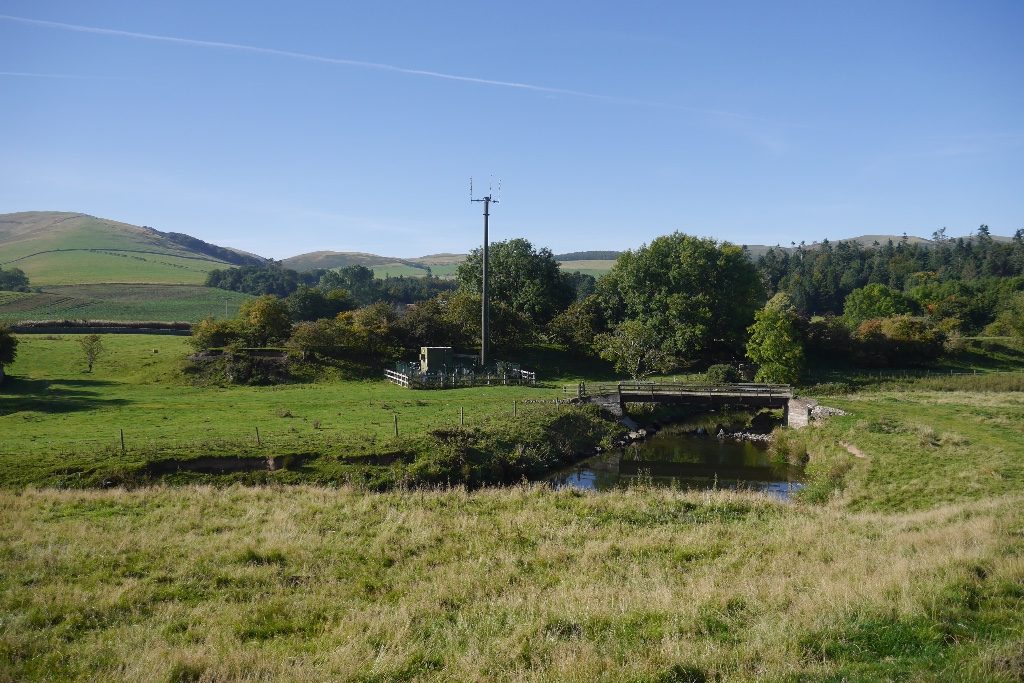
One of the two River Glens in Britain is in Northumberland. This River Glen is a seven-mile long tributary of the River Till. We can thus identify the ‘mouth of the River Glein’ with the confluence of these two rivers. There are a number of reasons why this is an attractive possibility for many researchers.
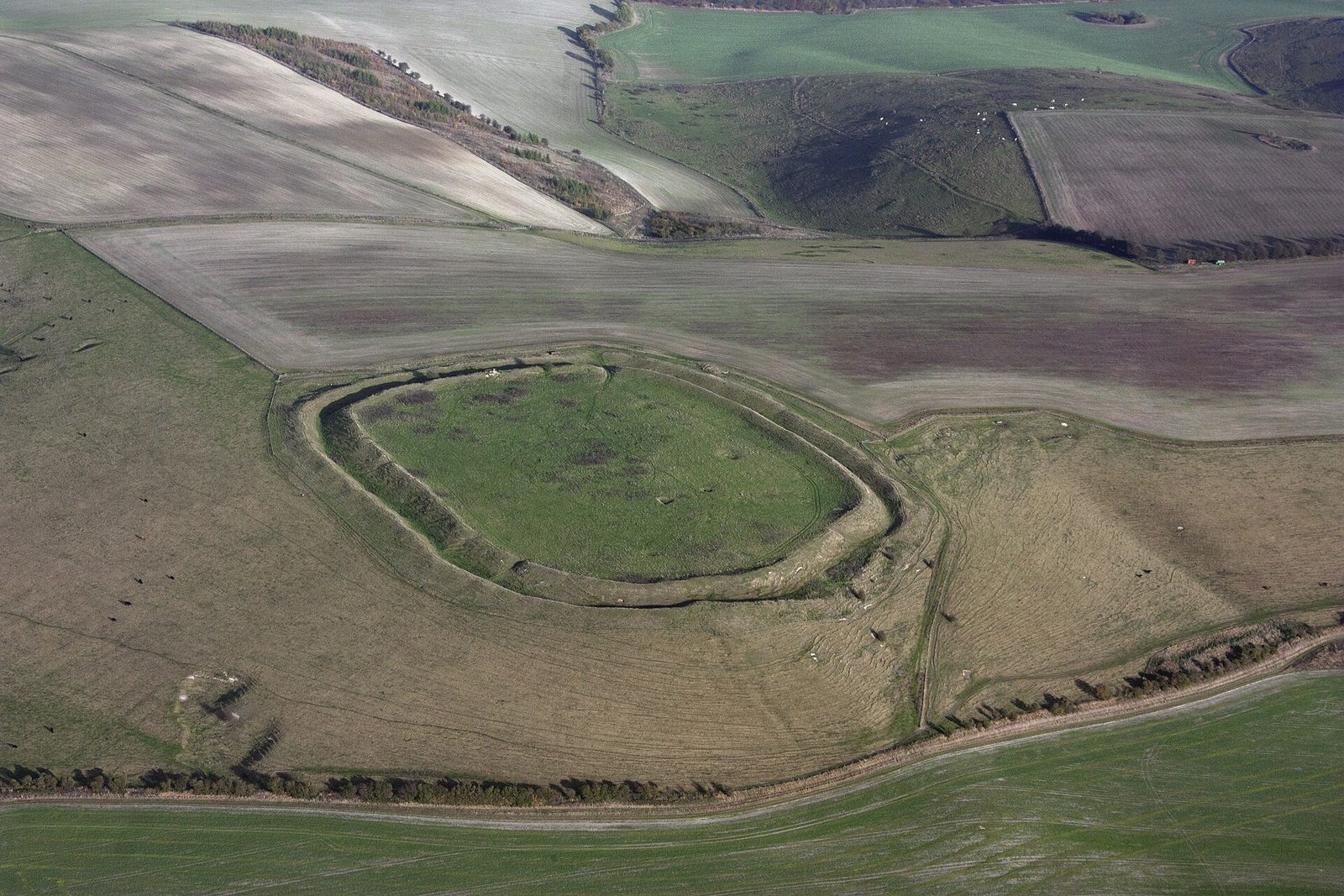
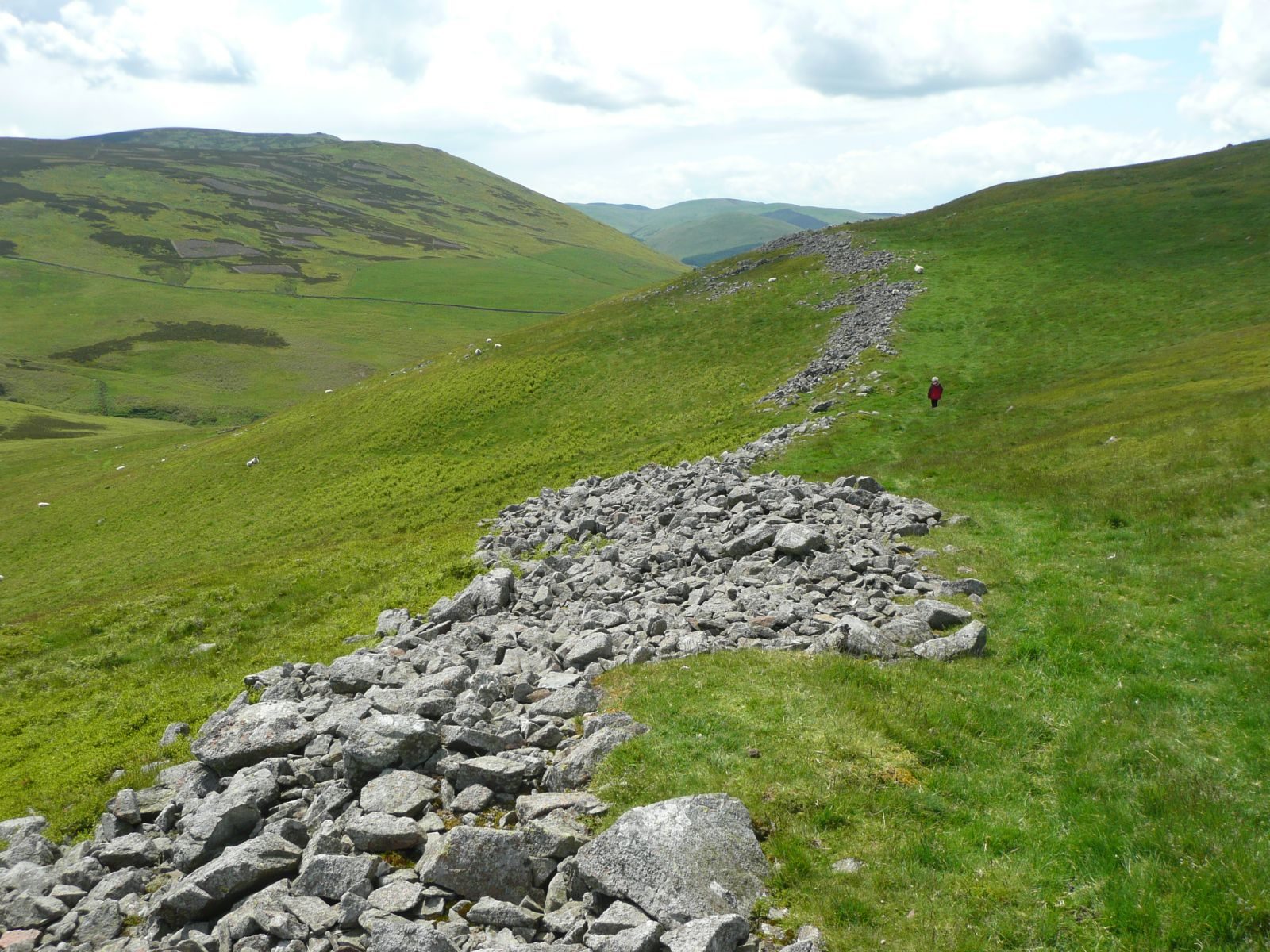
For one thing, the site is obviously strategic. Nearby is the Yeavering Bell hillfort. It is known that the Anglo-Saxons occupied the base of Yeavering Bell in the sixth century, where remains of a temple have been found, and a palace was built there in the following century.
The fact that it has some strategic importance is also indicated by the fact that two significant battles were fought there in later times: the Battle of Homildon Hill in 1402 and the Battle of Yeavering in 1415.
Objections to This Location
The primary objection to this suggested location is the fact that it is very far to the north. For a long time, the northernmost archaeologically-evidenced area of Anglo-Saxon settlement by the mid-sixth century (the latest possible date for Arthur’s battles, according to the Historia Brittonum) was within North Yorkshire. This is quite some distance from Yeavering, all the way up in the northeast corner of Northumberland.
However, more recent archaeological research has led some scholars (such as Caitlin Green) to argue for a migration of Anglo-Saxons to the region of Bamburgh Castle in the mid-sixth century. After all, this is in line with the traditional date for the founding of the Anglian kingdom of Bernicia in 547. This is very nearly as far north as the River Glen.
Still, this location would place the battle on the absolute fringes of Anglo-Saxon territory. It is far from an impossible scenario, but it does make this inherently less likely than a location closer to the core area of Anglo-Saxon activity.
The River Glen in Lincolnshire
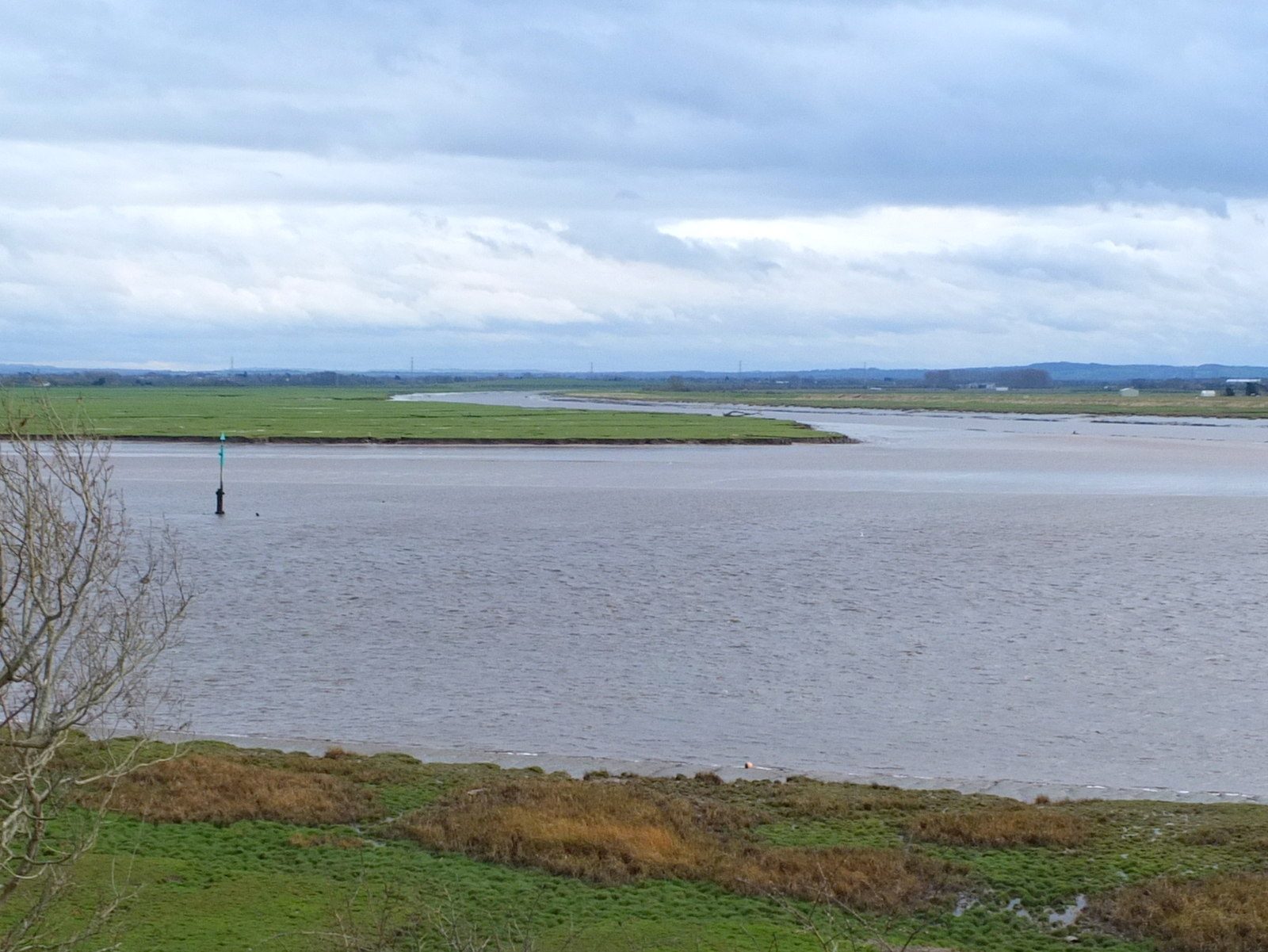
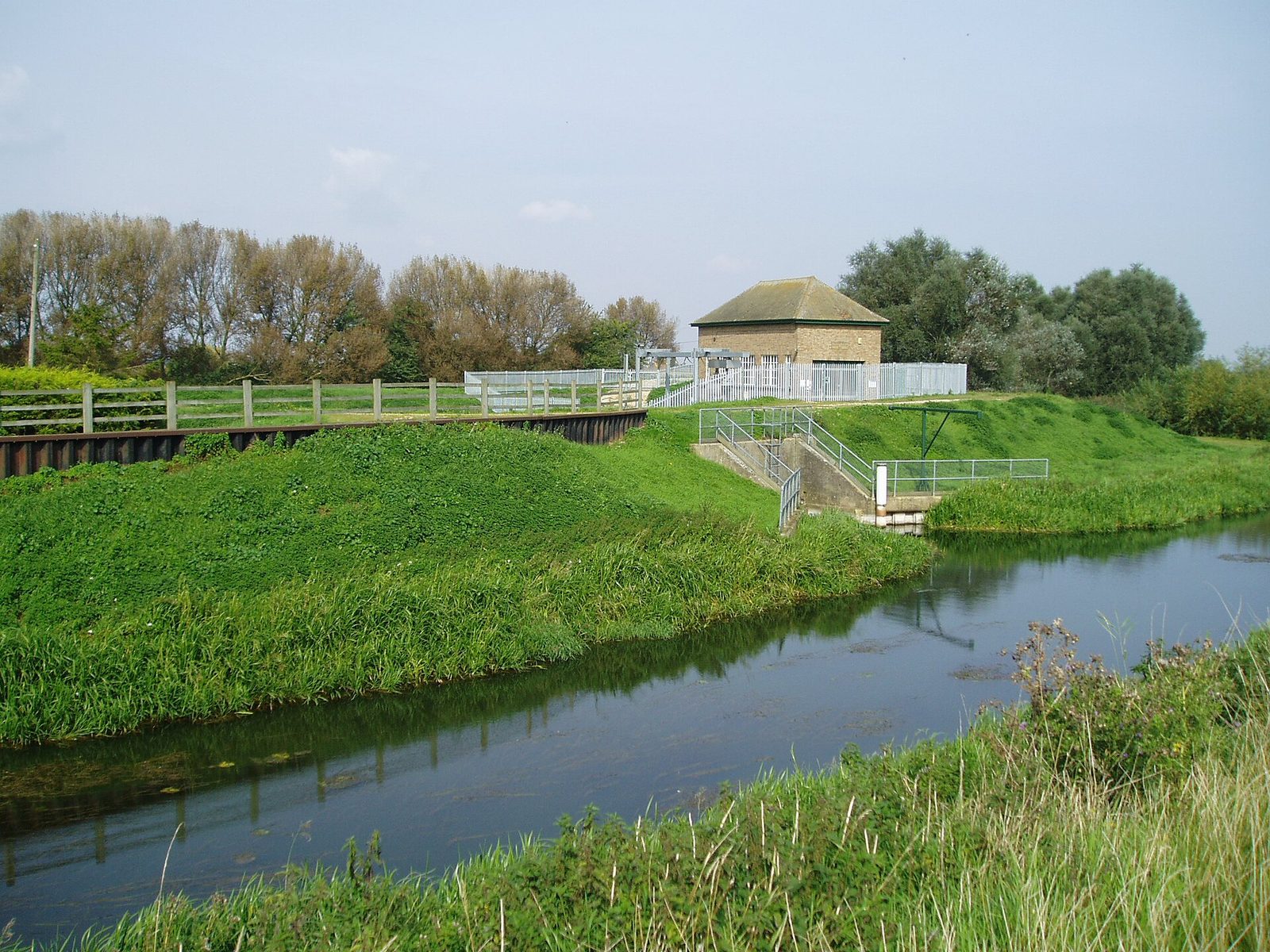
The other River Glen in Britain is in Lincolnshire. This is a significant, navigable river that flows through much of Lincolnshire. This location has many supporters, with good reason. It is a longer and more significant river than the River Glen in Northumberland.
In addition, it was thoroughly within Anglo-Saxon territory by the sixth century. In fact, Lincoln historically seems to have been one of the most important early centres of the Angles. This would make it a prime location for a British war leader to attack.
The narrative in the Historia Regum Britanniae also supports this location. Although the HRB does not mention the Battle on the River Glen, it does mention the second battle, which was on the River Dubglas. This battle is explicitly placed in Linnuis by the Historia Brittonum, which most scholars agree means Lindsey, the region around Lincoln. Then, Geoffrey’s narrative claims that Arthur pursued a Saxon leader from there to York.
From Lindsey to York is a south-to-north direction. If we were to identify the River Glein with the River Glen in Northumberland, this would mean that Arthur double backed on himself, travelling from the north to the south and then back to the north again. On the other hand, identifying the River Glein with Lincolnshire’s River Glen (which is south of Lincoln) means that we can assume a consistent south-to-north direction, which is arguably more inherently logical.
The Overlooked Piece of Evidence
A piece of evidence in favour of this site which seems to have been completely missed by all other commentators is the detail found in the Hanes Gruffydd ap Cynan, discussed earlier. Recall that the passage in question states that Arthur lost his first battle ‘because of treachery in Caer Lwytcoed’. Therefore, this passage explicitly connects Arthur’s first battle with this location.
This is not to say that the battle took place precisely at ‘Caer Lwytcoed’; it may just be that actions at that location somehow led to Arthur’s defeat, such as troops being sent out from that city when Arthur was not expecting it. But in any case, the River Glein surely could not have been very far from that location.
So, crucially, where was ‘Caer Lwytcoed’? Most scholars today appear to accept that this was originally the Welsh name for Letocetum, which was an important Roman military camp at Wall, Staffordshire. However, this appears to have been a fact which was lost very early on. Geoffrey of Monmouth explicitly describes ‘Kaerluidcoit’ as being ‘in the province of Lindisia’, and that this was also called ‘Lindocolinum.’
Later writers agreed with Geoffrey in identifying this location with Lincoln. The Historia Brittonum itself also mentions ‘Caer Loit Coit’ in its list of the 28 main cities of Britain. In this context, the major settlement of Lincoln makes substantially more sense than Letocetum.
Thus, it is almost certain that the writer of Hanes Gruffydd ap Cynan was thinking of Lincoln when they wrote that Arthur’s first battle was a defeat because of treachery ‘in Caer Lwytcoed’. One Latin version of this document even explicitly identifies it, by name, with Lincolnshire. This strongly supports the conclusion that the River Glein was the River Glen in Lincolnshire.
Glen Water, Aryshire
It is worth mentioning one more suggested location: Glen Water in Ayrshire. This flows into the River Irvine, a prominent river in southwest Scotland. This site does not have many supporters, and it is usually those who want to place Arthur in Scotland who favour it.
There is very little to recommend this suggestion. It is far removed from any evidence of Anglo-Saxon activity within the first half of the sixth century, so it makes no sense in the context of their initial clash with Arthur.
Furthermore, Glen Water is not a notable river. It is merely a stream. One 19th century writer even classed it as a ‘small streamlet’. There does not appear to be any good reason to place the battle here.
Conclusion
In summary, Arthur’s first battle against the Saxons was at ‘the mouth of the River Glein’. The Historia Brittonum claims that this was a victory for Arthur, although the later Hanes Gruffydd ap Cynan calls it a defeat. There is no way to know for sure what really happened, but the fact that it is not mentioned in Geoffrey’s HRB lends some support to the idea that it was a defeat. The most controversial issue about this battle is its location. Most researchers agree that it was either at the River Glen in Northumberland or the River Glen in Lincolnshire. For several key reasons, the site in Lincolnshire is particularly convincing.
FREQUENTLY ASKED QUESTIONS
Who Did Arthur Fight Against at the Battle on the River Glein?
The Historia Brittonum names the enemies as the Saxons. However, most researchers agree that this battle occurred within the territory of the Angles, not the Saxons. The Historia Brittonum uses the term ‘Saxons’ as a generic term to encompass both groups.
Who Won the Battle on the River Glein?
No one knows for sure, but the Historia Brittonum claims that Arthur won. However, a later record, the Hanes Gruffydd ap Cynan, claims that Arthur lost this battle. While the Historia Brittonum is the earlier source, it is difficult to see why anyone would invent the claim that Arthur lost his first battle. This may indicate that the Hanes Gruffydd ap Cynan preserves an older tradition.
Where was the River Glein?
The River Glein can almost certainly be identified with either the River Glen in Northumberland or the River Glen in Lincolnshire. Some researchers claim that the river in Northumberland makes more sense for strategic reasons. While it may be a strategic location within that immediate region, it was much further north that the core of Anglo-Saxon activity in Arthur’s time. On the other hand, the river in Lincolnshire was close to one of the major power centres of the Anglo-Saxons, making it a strategic place to attack. Evidence from Hanes Gruffydd ap Cynan also supports this location.
Sources
Green, Thomas, Britons and Anglo-Saxons: Lincolnshire AD 400-650, 2012
Paterson, James, History of the Counties of Ayr and Wigton, 1866
Reno, Frank, Historic Figures of the Arthurian Era: Authenticating the Enemies and Allies of Britain’s Post-Roman King, July 2015
Field, P. J. C., Arthur’s Battles, 2008
http://www.legendofkingarthur.co.uk/battles/1-river-gleni.htm
https://bearmanpendragon.wordpress.com/2017/07/15/arthwys-first-battle/