Did King Arthur Really Die at the Battle of Camlann?

The Battle of Camlann, in the Arthurian legends, is the infamous final battle of King Arthur. On that occasion, Arthur’s rebellious nephew Mordred was slain. But what happened to Arthur himself? Did he die at the Battle of Camlann? Was he mortally wounded and then died later? Or did he survive and continue reigning? This article will examine the available evidence.
What Happened at the Battle of Camlann?
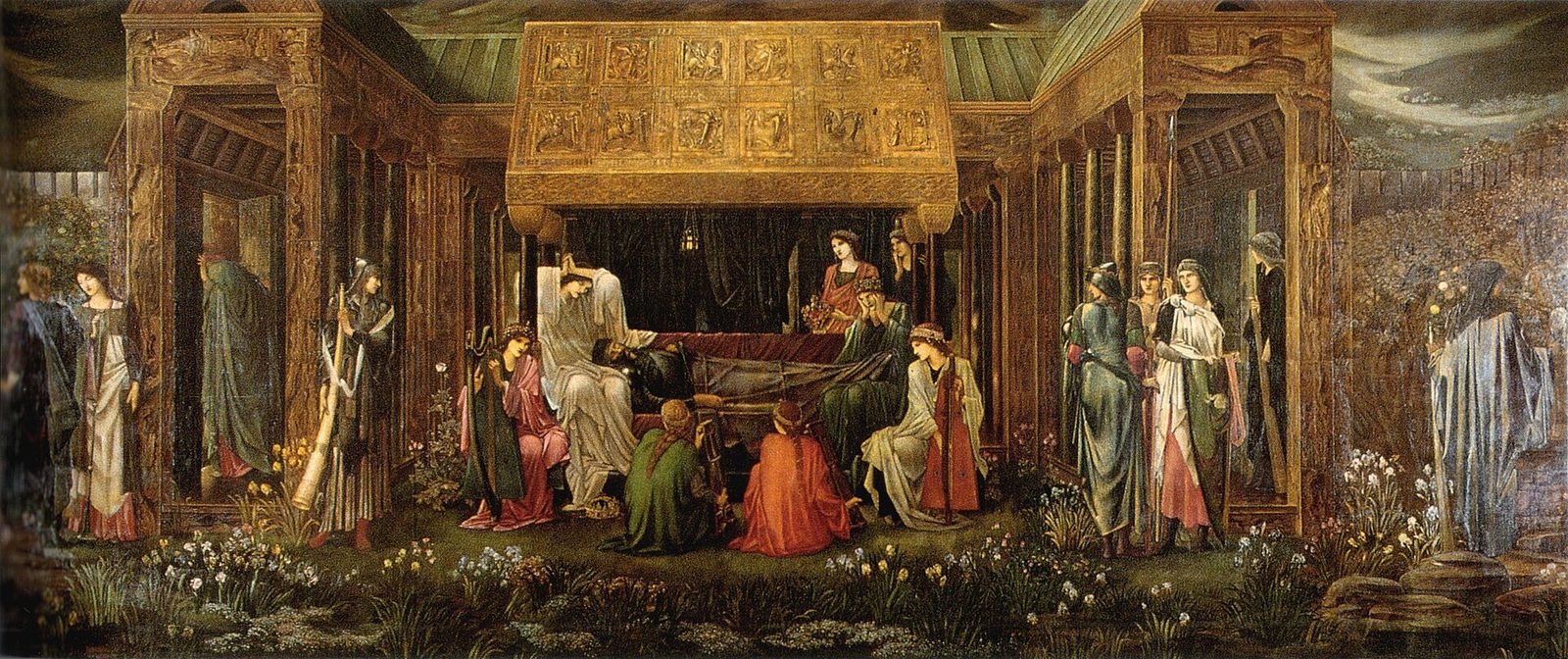
Firstly, let us establish what the Battle of Camlann was. In the Arthurian legends, the Battle of Camlann was the climax of a civil war started by Mordred, the treacherous nephew of King Arthur. This battle is featured in numerous pieces of Arthurian literature. It is remembered in Welsh tradition as a terrible tragedy.
The earliest account to mention the Battle of Camlann does not specifically say that Mordred was Arthur’s enemy at the battle, but all later records are unanimous on that point. A fierce battle was fought at Camlann, probably near Dolgellau in northwest Wales.
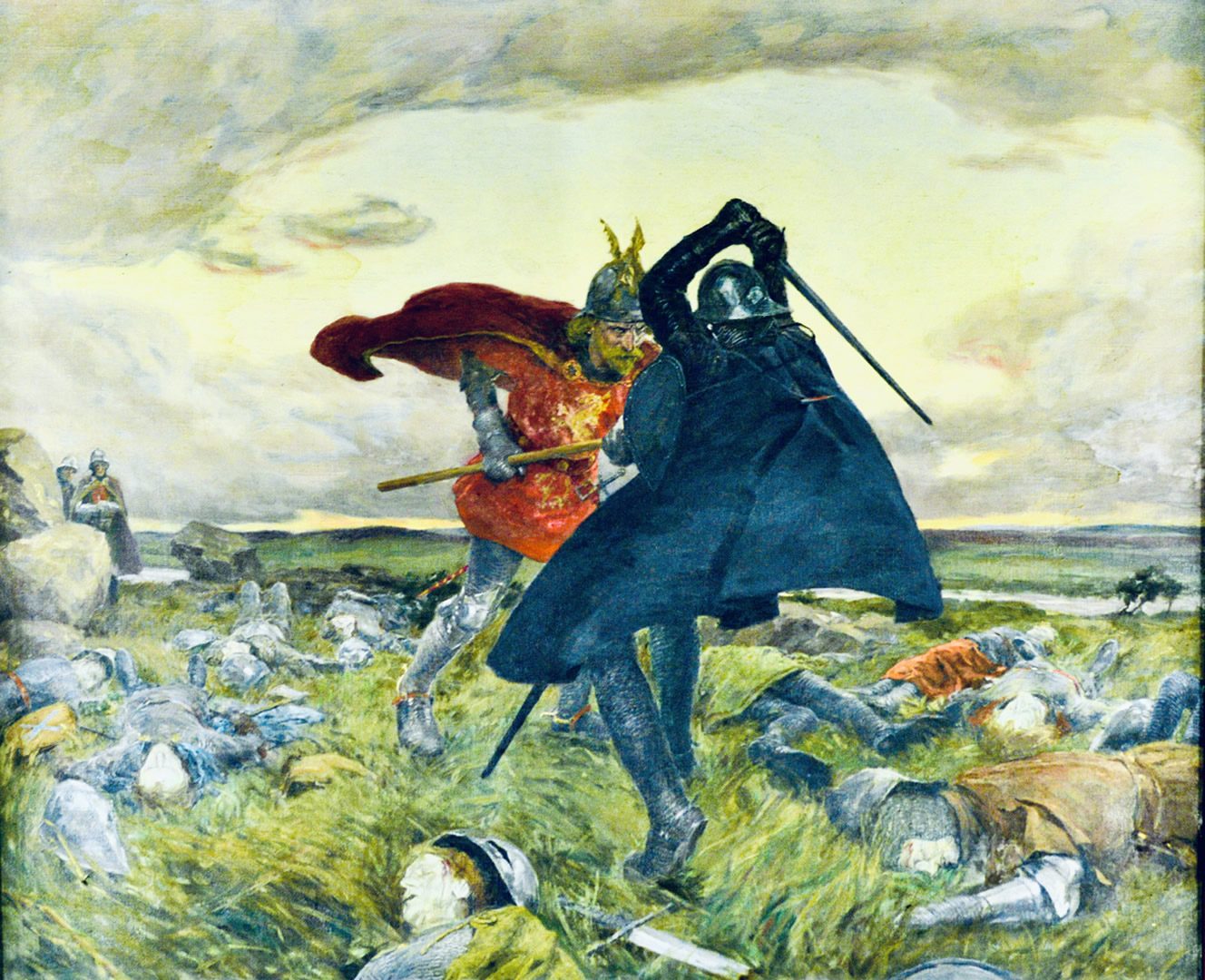
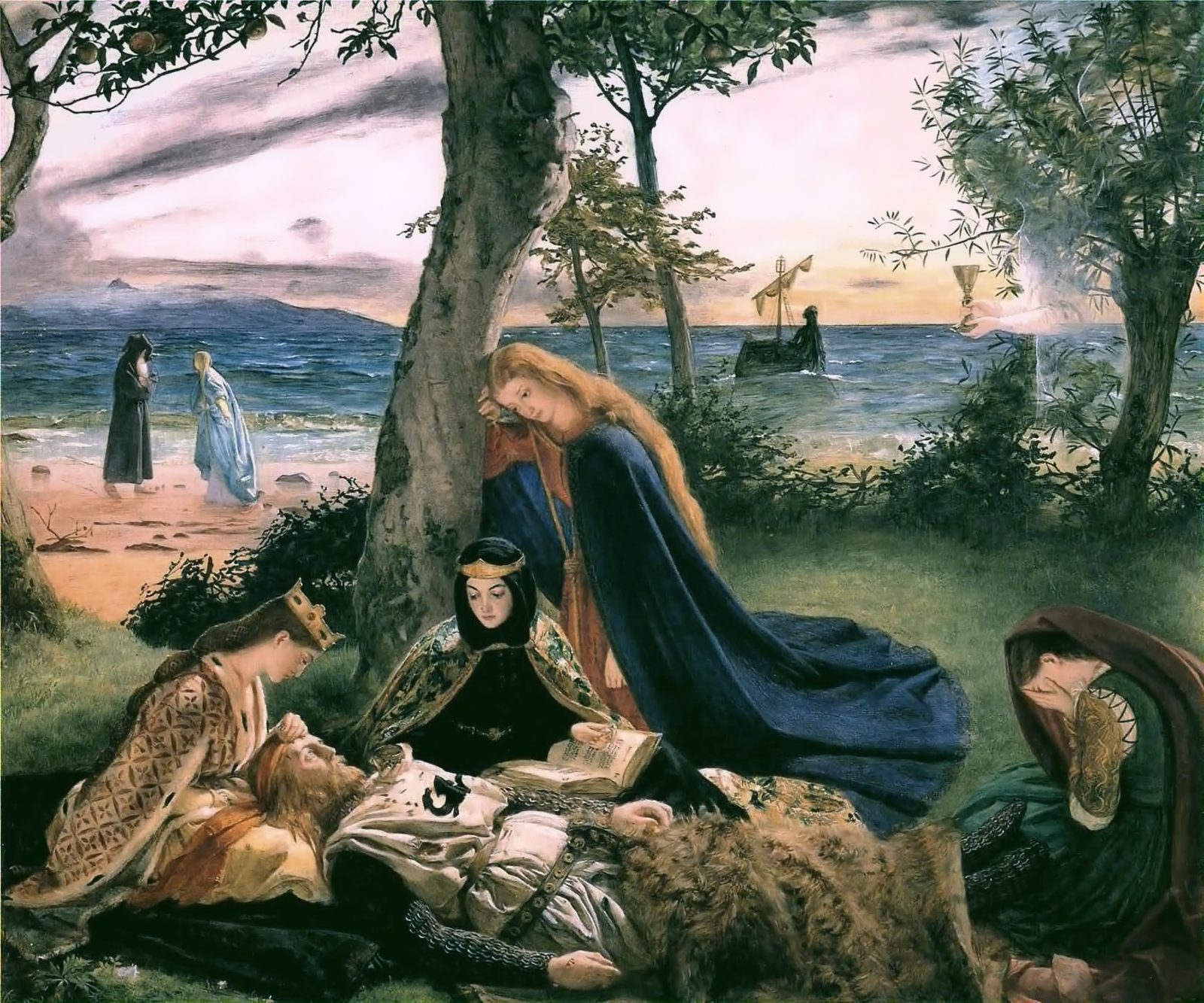
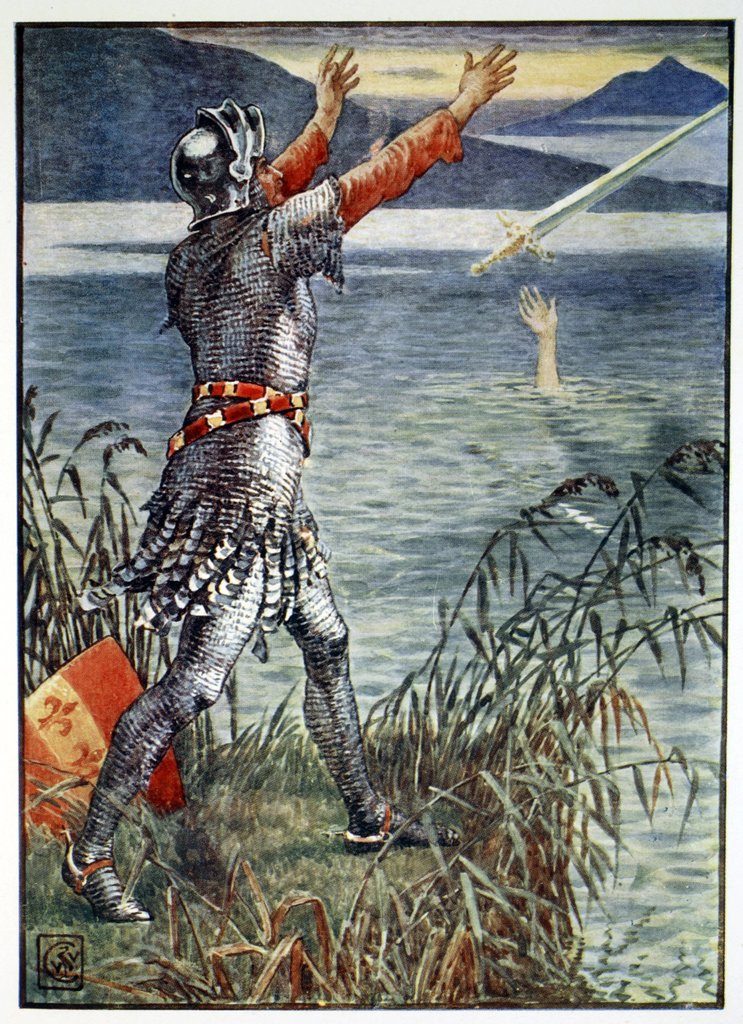
According to the most famous version of the legend, Arthur and Mordred came face to face at this battle. Arthur fatally struck Mordred, but the usurper likewise gave a mortal wound to the king. Although Arthur won the battle, his grave injuries meant that he could not continue as king. He abdicated in favour of his relative, King Constantine, and was then taken away to Avalon.
However, the most famous version of events is not necessarily the most accurate or the most well-supported version. When the evidence from Arthurian tradition is taken as a whole, what is the most likely version of events?
Does the Earliest Source Say that Arthur Died?
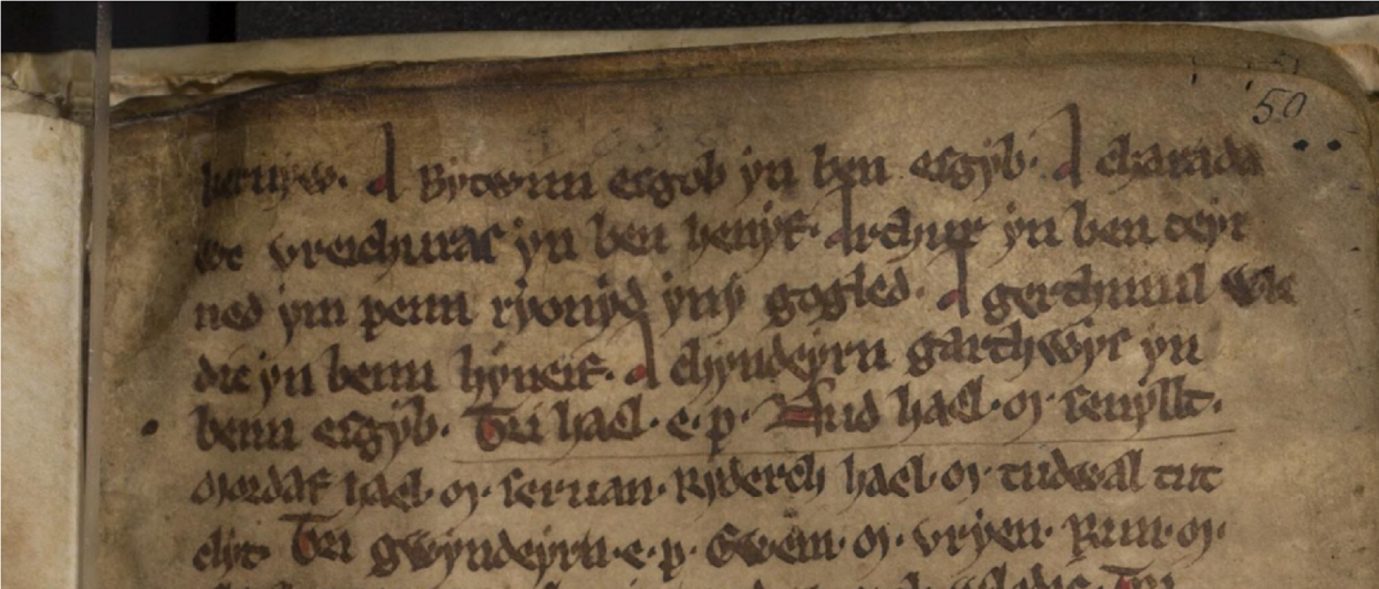
Given that we want to discern the most authentic tradition, one of the most important pieces of information is the earliest source for this event. With the Battle of Camlann, the earliest source is the Annales Cambriae, a chronicle written in the tenth century. The entry about the battle is very brief. In its entirety, it reads:
“The battle of Camlann, in which Arthur and Medraut fell: and there was plague in Britain and Ireland.”
This tantalisingly brief record provides some important information. Arthur was involved at the Battle of Camlann. He ‘fell’ at this battle. Does this mean that he died? Well, it has traditionally been interpreted as meaning this. For this reason, many scholars today (such as Nick Higham) simply state matter-of-factly that the Annales Cambriae describes Arthur as dying at the Battle of Camlann.
Does ‘Fell’ Necessarily Mean ‘Died’?
Despite this general assumption, is it really the case that the word ‘fell’ means ‘died’? Could it not be used in a more general sense, such as meaning that Arthur was ‘defeated’?
Interestingly, this is the conclusion of a number of scholars concerning an ancient record about a different king. In the first century CE, King Togodumnus of the Catuvellauni tribe in south east Britain fought against the Romans. Dio Cassius, in c. 200 CE, wrote about this war. Describing an early battle on the Thames, in the year 43 CE, Dio says that Togodumnus was killed.
However, some scholars believe that there is evidence that he actually continued living for years after this, having been subdued and made into a client king. This illustrates the point that a king might be described as having ‘fallen’ even if he did not actually die.
The word for ‘died’ is used dozens of times in the Annales Cambriae. In contrast, the word for ‘fell’ is used just three times aside from the entry mentioning Camlann, and at least one of these is ambiguous regarding whether it really means ‘died’.
An Alternative Meaning
While the word ‘fall’ is most commonly used to mean ‘die’, it does not strictly mean that, and it may well simply mean ‘defeated’. The reason that the Annales Cambriae occasionally uses this word may be related to the type of defeat.
It may be that the primary meaning is a ‘fall from power’, and that it is used in relation to those who had high positions of power which were then lost. This loss would usually, but not necessarily, be accompanied by death.
This is consistent with the fact that it is used in the Annales Cambriae only in relation to prominent figures, not obscure individuals or minor kings and princes. This being the case, it is entirely possible that the use of the word ‘fell’ in this entry about Arthur does not necessarily mean that he died, but that he fell from power.
The fact that this word was used here may also be because Mordred really did die at the battle, so the chronicler decided to use an ambiguous word that would cover both Mordred’s and Arthur’s respective fates without needing to describe them separately.
Geoffrey of Monmouth’s Account
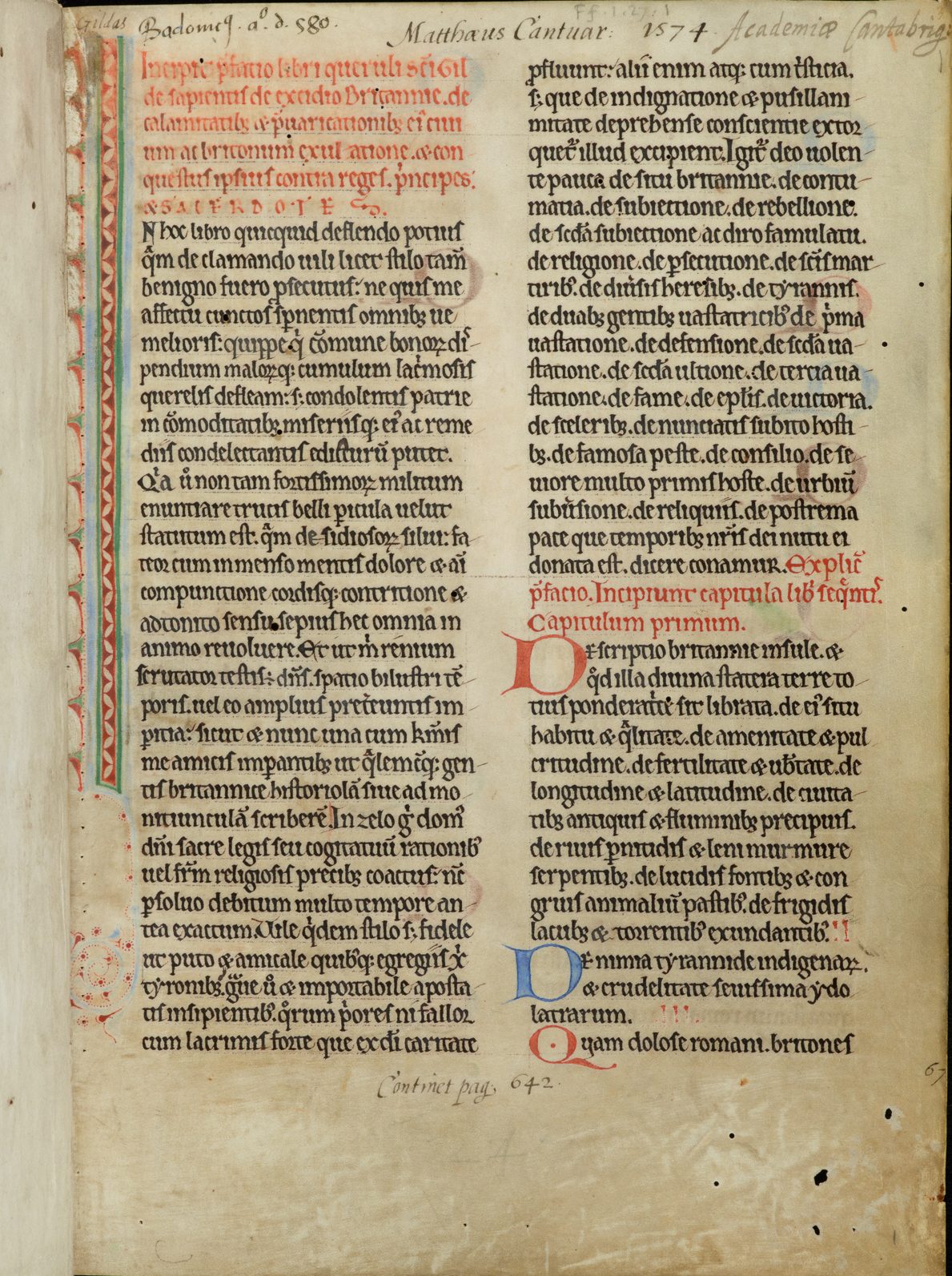
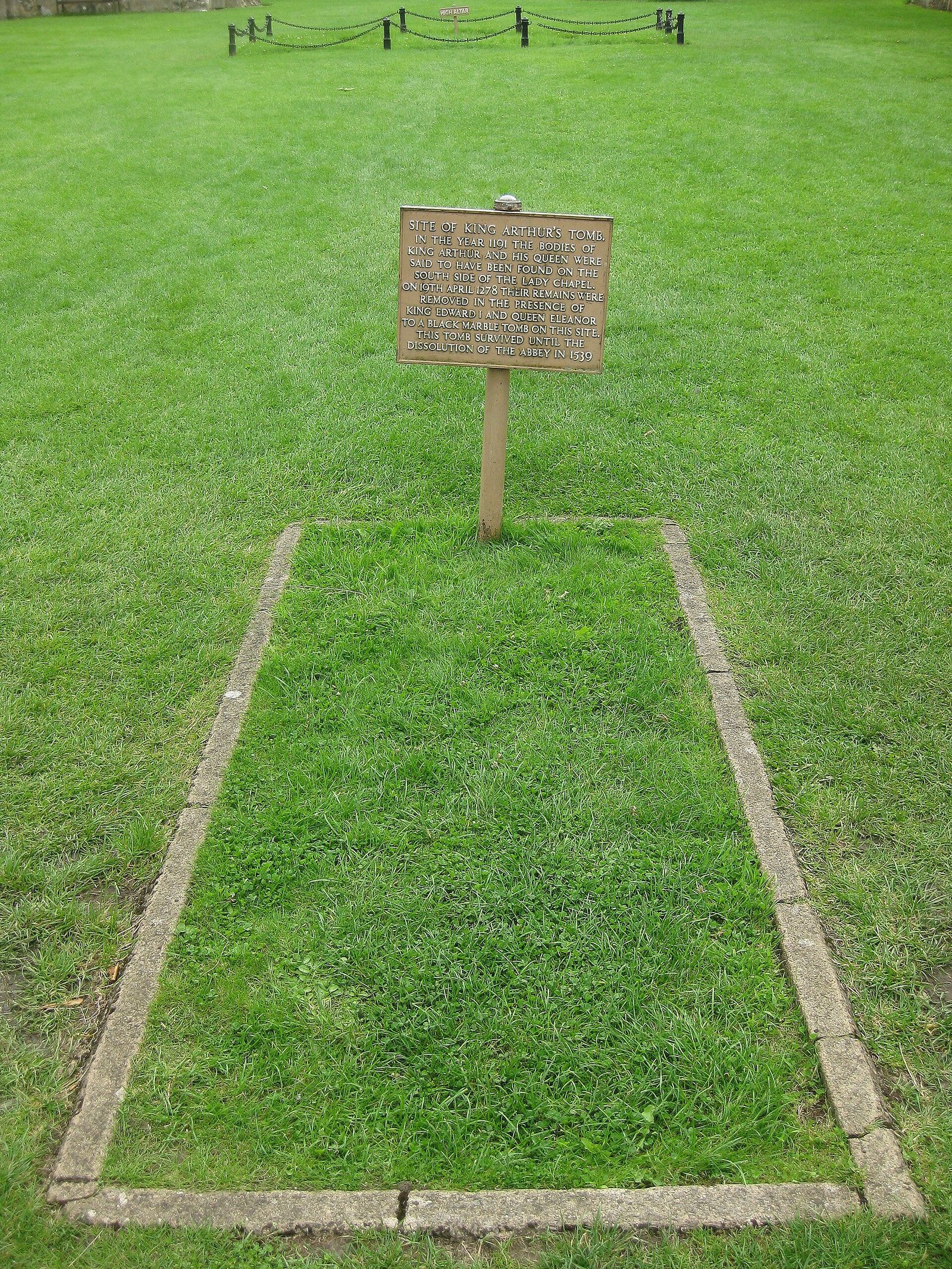
After the Annales Cambriae, it seems that the next source which describes Arthur’s fate at the Battle of Camlann is Geoffrey of Monmouth’s Historia Regum Britanniae, written in 1137. This presents a much more detailed account of the Battle of Camlann. After describing the battle and the deaths of various commanders during it, the account reads:
“And even the renowned King Arthur himself was mortally wounded; and being carried thence to the isle of Avallon to be cured of his wounds, he gave up the crown of Britain to his kinsman Constantine, the son of Cador, duke of Cornwall, in the five hundred and forty-second year of our Lord’s incarnation.”
According to this, Arthur was ‘mortally wounded’. Geoffrey specifically uses the Latin word ‘letaliter’ here, which does mean ‘mortally’ or ‘lethally’. Therefore, there is no ambiguity about what Geoffrey is saying: King Arthur really was mortally wounded at the Battle of Camlann.
Yet, Geoffrey also specifically says that Arthur was taken to the Isle of Avalon ‘to be cured of his wounds’. How could Arthur be cured of lethal wounds? Could it be that the phrase ‘to be cured of his wounds’ simply referred to the intent, while the text describing Arthur as ‘mortally wounded’ was the reality of the situation?
Cured of His Fatal Wounds
While this passage could be interpreted to mean that Arthur did, in fact, die of his wounds and that he was not able to be healed, this is not the most natural interpretation nor is it supported by what Geoffrey later wrote. In fact, his account in the Vita Merlini, written in c. 1150, explicitly contradicts this. There, in a passage of dialogue spoken by Arthur’s bard Taliesin, Geoffrey wrote:
“Thither after the battle of Camlan we took the wounded Arthur, guided by Barinthus to whom the waters and the stars of heaven were well known. With him steering the ship we arrived there with the prince, and Morgen received him with fitting honour, and in her chamber she placed the king on a golden bed and with her own hand she uncovered his honourable wound and gazed at it for a long time. At length she said that health could be restored to him if he stayed with her for a long time and made use of her healing art.”
This passage clarifies the situation. According to this, Arthur was able to be healed of his wounds. How is this compatible with the fact that Arthur is described in the Historia Regum Britanniae as being ‘mortally wounded’? Quite simply, Geoffrey of Monmouth’s narratives involve magic, as does much of Welsh tradition.
Magic was a thoroughly common element in Welsh legends, along with the later European Arthurian romances. There is no issue at all with a character being presented as ‘mortally’ wounded but then being healed.
Therefore, according to the earliest account that actually specifies what happened to Arthur after the Battle of Camlann, he did not die of his wounds. Rather, he was taken in a boat to an island and supposedly cured.
Evidence from Welsh Tradition
Although there is no pre-Galfridian (that is, before Geoffrey of Monmouth) Welsh source which describes the Battle of Camlann in full, there is extensive information from Welsh tradition that can shed some light on this matter. Some of these records date from after Geoffrey’s time but are clearly independent of his work, while others date from before his time but do not speak explicitly about the Battle of Camlann.
Preiddeu Annwn
One notable Welsh record that can shed some light on what Geoffrey of Monmouth wrote (especially in Vita Merlini) is a poem called Preiddeu Annwn. This is found in the Book of Taliesin, a collection of poems that were allegedly composed by the sixth century bard Taliesin. In reality, the poems date to a variety of centuries.
Preiddeu Annwn in particular is commonly dated by modern sources to c. 900, although the most authoritative source on the subject dates it to anywhere from 850 to 1150. In all probability, then, it does substantially predate Geoffrey of Monmouth. This is a very interesting poem, since it describes a voyage by Arthur to Annwn.
In this poem, various adventures are described on the way to Annwn. It seems that the main item which Arthur and his men are after is a magical cauldron.
Similarities Between the Voyage to Annwn and the Voyage to Avalon
There are a number of notable similarities between this story of Arthur sailing to Annwn and Geoffrey’s description of him going to Avalon. To start with the basics, they are both sea voyages in which Taliesin accompanied Arthur. It appears that Preiddeu Annwn is the only reference in all of Welsh tradition Arthur engaging on a voyage in which Taliesin accompanied him. Therefore, this is a notable connection.
However, the connections go deeper than just that. Preiddeu Annwn refers to there being ‘nine maidens’ on Annwn, and the reference to them appears to indicate that they are magical. Similarly, Geoffrey explains in the Vita Merlini that there were nine magical sisters who ruled Avalon.
This strongly indicates that Geoffrey’s Avalon is actually identical to the Annwn of Welsh tradition. Various other records support this. For example, some Welsh genealogies give a certain ‘Afallach’ as the father of Modron, the wife of Urien Rheged. The name ‘Afallach’ is the usual Welsh version of ‘Avalon’, as seen by Welsh translations of Geoffrey’s Historia Regum Britanniae.
This being the case, it is notable that other Welsh records state that Urien’s wife Modron was the daughter of the king of Annwn. This explicitly identifies Afallach as the king of Annwn. Since ‘Afallach’ is simply the Welsh form of ‘Avalon’, this strongly supports a connection between the Isle of Avalon and the island of Annwn.
Support from Irish Legend
Further support for the fact that Arthur’s journey to Avalon is identical to his voyage to Annwn comes from Irish legend. Recall that in Geoffrey’s description of Taliesin taking Arthur to Avalon, he specifically says that they were ‘guided by Barinthus’. This is interesting, because this obscure figure also appears in the record known as the Voyage of St Brendan.
The Voyage of St Brendan describes the sixth-century Irish religious figure Brendan and a number of companions sailing off to find a paradisaic island far across the sea. Significantly, the account mentions that Brendan was inspired to go there after hearing that Barinthus had travelled there. Very little else is known about Barinthus.
So, on the one hand, we have a reference to Barinthus sailing to a paradasaic island far across the sea. And on the other hand, we have a reference to Barinthus guiding Taliesin and Arthur to an island far across the sea for Arthur to be magically healed of his wounds. There is certainly reason to conclude that Geoffrey’s Avalon may share an origin with the island mentioned in the tale of Brendan.
This being the case, it is interesting to note that the story of Brendan’s voyage involves him passing a hellish island on which there were demon blacksmiths who threw rocks into the sea. This is followed by an episode in which Brendan passes a tower made of crystal in the sea. Notably, the journey described in Preiddeu Annwn involves passing the gates of hell, shortly followed by encountering a fortress made of glass.
These similarities support the conclusion that Preiddeu Annwn and the Voyage of St Brendan describe the same basic journey. Given the reference to Barinthus common to both the Voyage of St Brendan and the Vita Merlini, this in turn supports the conclusion that Arthur’s journey to Avalon is the same journey described in Preiddeu Annwn.
What This Means for Arthur’s Death
This being the case, what can we conclude about Arthur’s death? Well, recall that Preiddeu Annwn almost certainly predates Geoffrey of Monmouth by quite some margin, so it is the more valuable source. If it really does describe the same journey to Avalon which Geoffrey referred to, as the evidence would appear to indicate, then this is significant.
In Preiddeu Annwn, there is no indication that Arthur is wounded or in any way close to death. In fact, quite the opposite. The very first line of the poem reads:
“I will praise the sovereign, supreme king of the land,
Who hath extended his dominion over the shore of the world.”
Here, Taliesin is praising Arthur for having ‘extended his dominion over the shore of the world’. Presumably, this is in reference to Arthur intending his rule to at least part of Annwn itself, across the sea. Arthur himself is mentioned five times in the poem, and there is nothing at all to suggest that he was incapacitated.
One line refers to their voyage with Arthur as being ‘a splendid labour’, indicating that Arthur was still active. A later line describes their journey as being a ‘sorrowful strife’. While suggesting some kind of disaster or tragedy (perhaps because it was where Arthur really died), it also suggests that there was fighting. This does not fit the idea that Arthur was taken there as a wounded man to be healed of his wounds.
All told, the evidence from Preiddeu Annwn indicates that Arthur was still an active king in the tale. Yet, as we have seen, there is evidence that this is the same journey described by Geoffrey after the Battle of Camlann.
The Welsh Triads
Another piece of evidence from Welsh tradition comes from the Welsh Triads. This collection of medieval records about Welsh legend and history refers to Arthur numerous times. These triads even mention the Battle of Camlann and Arthur’s conflict with Mordred, which can provide some insight into what really happened.
One triad which refers to the conflict between Arthur and Mordred is called the Three Violent Ravagings of the Island of Britain. The first was when Mordred came to Arthur’s court at Celliwig and left neither food nor drink there. This record also states that, during this event, Mordred dragged Guinevere from her royal chair and struck her.
This appears to be a reference to when Mordred first instigated his rebellion against Arthur. By all accounts, Arthur was away at this time, which makes sense of Mordred’s rebellion.
However, the next part of this triad is particularly interesting. The second of the ‘Three Violent Ravagings’ is explained as follows:
“The second Violent Ravaging was when Arthur came to Medrawd’s court. He left neither food nor drink in the court nor in the cantref.”
When Did This Happen?
This is not an exceptionally obscure triad. Scholars have remarked on it before. However, it seems that the full significance of this has been missed. A key question to ask is: When did this ravaging occur?
It obviously must have occurred after the conflict between Arthur and Mordred began, which only began because Mordred rebelled. This is supported by the fact that the triads are often listed in chronological order. This would mean that it occurred after Mordred’s ravaging of Arthur’s court (the third entry in this triad is an event from the late sixth century, supporting this conclusion).
Yet, once Mordred’s rebellion started, when would Arthur have had the opportunity to ravage Mordred’s court? By all accounts, Arthur fought his way ashore and then pursued Mordred’s army to Camlann. There is no logical place in this narrative where Arthur would have had the opportunity to go to Mordred’s court and ravage it before the Battle of Camlann.
Arthur’s Logical Route
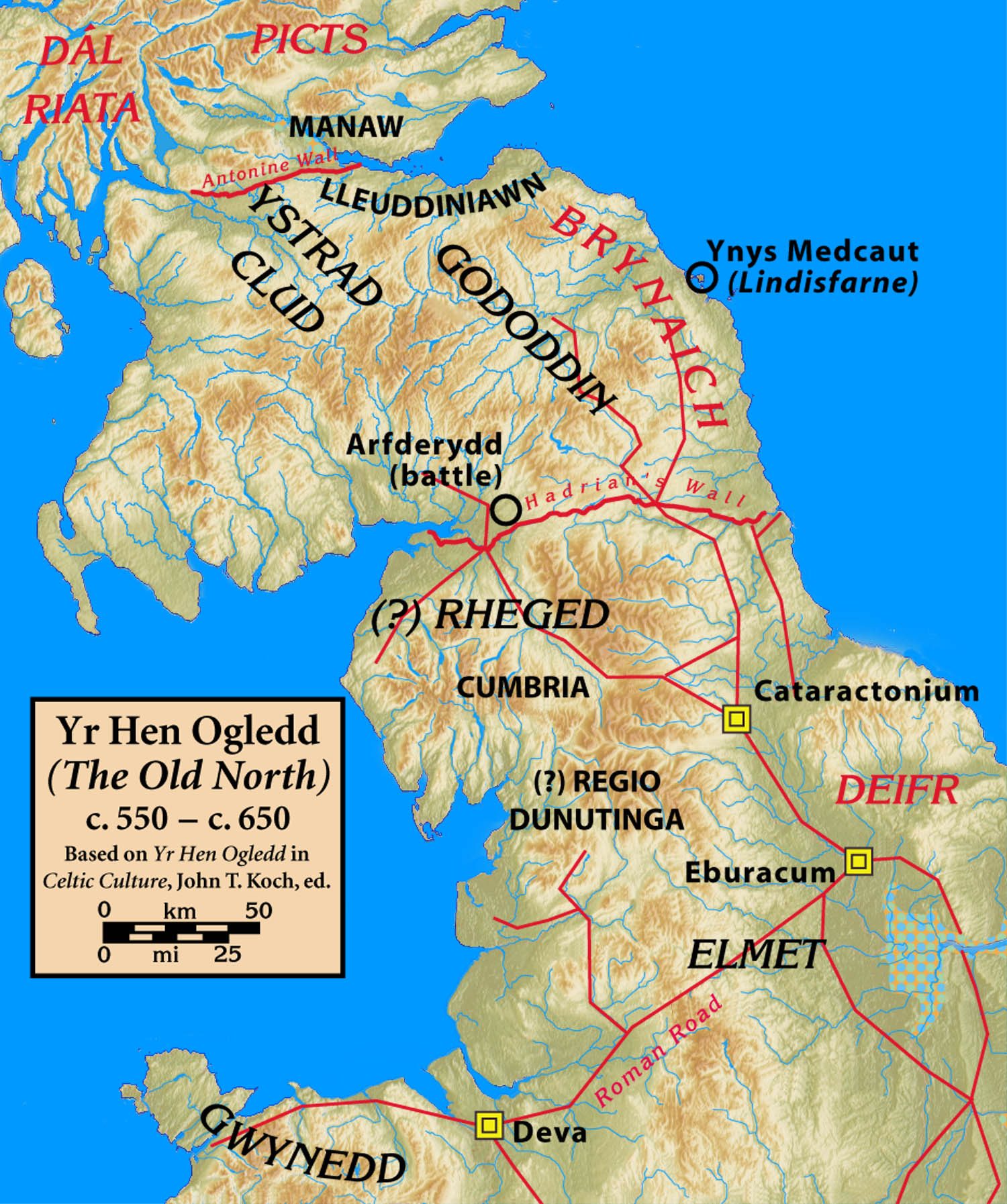
This is especially problematic when we consider the fact that Mordred was a northern prince, likely from southeast Scotland. Yet Camlann, in contrast, was much further south. The most likely location for Camlann is near Dolgellau in northwest Wales.
Logically, Arthur would have arrived back in Britain by a port somewhere towards the south. Based on what we know about the usurper, Mordred’s court would have been southeast Scotland. Yet, Camlann was in northwest Wales. It is logical that Mordred would have fled north towards his home territory after unsuccessfully opposing Arthur’s landing in the south, and the likely location of Camlann fits this conclusion perfectly.
This being the case, how did Arthur get to Mordred’s court to ravage it? Did he overtake Mordred, travel to Mordred’s court, ravage it, and then come back down to fight him at Camlann? This is clearly illogical and does not match Geoffrey’s narrative whatsoever.
Examining the three locations (that is, Arthur’s southern landing, Camlann in northwest Wales, and Mordred’s court in southeast Scotland) logically results in one conclusion: After landing, Arthur pursued Mordred to Camlann, fought and defeated him there, and then continued on a northerly route to Mordred’s court, which he then ravaged.
Obviously, this requires Arthur to have survived the Battle of Camlann. Since this triad appears to preserve pre-Galfridian traditions, this is significant. It corroborates Preiddeu Annwn in showing that authentic Welsh tradition appears to have viewed Arthur as surviving past the Battle of Camlann.
Evidence from Other Records
Legends found outside of Welsh records also support the idea that Arthur did not die at the Battle of Camlann. Admittedly, these legends are not as old as the Welsh records we have already considered, but they may well contain some valuable information, especially where they have not obviously tried to promote a different narrative for political purposes.
The Vanora Stone
The Vanora Stone is a ninth-century Pictish monument found at Meigle, Scotland. Scholars understand this as depicting the Biblical scene of Daniel in the lion’s den. However, it could also be interpreted as a woman being surrounded, and possibly attacked, by large dogs.
There is a legend surrounding this stone which connects it to Queen Guinevere. She is locally known as Vanora, hence the name of the stone monument. According to this local legend, Guinevere left Arthur and went with Mordred. This is her treachery as described by Geoffrey of Monmouth at the beginning of his account of Mordred’s rebellion.
According to the local legend, Arthur eventually got her back. When he did, as a punishment for her unfaithfulness, he had her ripped apart by wild animals. This is interesting, for how would Arthur have done that if he was preoccupied with fighting Mordred from the moment he arrived back in Britain until the Battle of Camlann?
This legend only makes sense if we assume that Arthur survived the Battle of Camlann, allowing him to then deal with Guinevere’s unfaithfulness.
Is This Legend Historical?
Admittedly, the story of Arthur tearing his wife apart is almost certainly unhistorical. It appears to be based on a misinterpretation of the image carved into the Vanora Stone. In fact, the earliest record concerning a connection between Guinevere and Meigle comes from Hector Boece, writing in the early sixteenth century.
In Boece’s account, Guinevere is made a prisoner of the Picts after Arthur’s death, and there is no mention of her being ripped apart. He does mention her grave at Meigle, however. It appears that she came to be associated with this general location first, and then later, due to the image on this prominent stone in the area, the story of her being ripped apart emerged.
Nonetheless, the very fact that this unhistorical legend attributed this act to Arthur rather than one of Arthur’s men is notable. There is no inherent reason why Arthur would have needed to have been involved. This suggests that there was an existing tradition that Arthur survived the Battle of Camlann, thus allowing him to be the one responsible for what seemed to be depicted on the stone.
The Life of Gildas
Another record which indicates that Arthur survived the Battle of Camlann is the Life of St Gildas, written in the twelfth century. This record describes an incident which is relatively famous. It is a conflict between Arthur and Hueil, the brother of Gildas. The account explains:
“Hueil, the elder brother, an active warrior and most distinguished soldier, submitted to no king, not even to Arthur. He used to harass the latter, and to provoke the greatest anger between them both. He would often swoop down from Scotland, set up conflagrations, and carry off spoils with victory and renown. In consequence, the king of all Britain, on hearing that the high-spirited youth had done such things and was doing similar things, pursued the victorious and excellent youth, who, as the inhabitants used to assert and hope, was destined to be king. In the hostile pursuit and council of war held on the island of Minau, he killed the young plunderer.”
According to this, Hueil was an enemy of Arthur. There was apparently fairly regular conflict between them. He would even go down to take plunder from territory in the south, evidently in or near Arthur’s kingdom. As a result of these historic actions as well as current actions, Arthur pursued Hueil. He finally caught up with him, evidently heading north, and killed him on or near the Isle of Man.
The Date of This Event
While this story is relatively well known, its potential connections to the Battle of Camlann have been widely overlooked. First of all, consider the date. The Life of St Gildas places this event during the period in which Gildas had travelled to Ireland. Apparently immediately after the death of Hueil, Gildas returned from Ireland to confront Arthur. Now, when did Gildas travel to Ireland?
The Annales Cambriae tells us that this occurred in 565. Similarly, the earlier Life of St Gildas (which does not mention this event involving Arthur) places Gildas’ journey to Ireland in the reign of Ainmuire mac Sétnai, who ruled from 566 to 569. This is basically consistent with the date given in the Annales Cambriae.
If Gildas went to Ireland in about 566, and he stayed there for a few years before returning evidently just after Arthur killed his brother, this would place this incident between Arthur and Hueil in approximately 570.
How This Fits Arthur’s Chronology
This is much later than Arthur is normally placed, but it would tie in with a suggestion by scholar Rachel Bromwich regarding the date of King Maelgwn. She suggested, in Trionedd Ynys Prydein, that Maelgwn reigned towards the end of the sixth century rather than in the first half of that century, as normally believed.
This would have the knock-on effect of bringing the date of the Battle of Badon (Arthur’s famous victory) forward towards about the middle of the sixth century, since Gildas’ De Excidio shows that it occurred forty-three years before he was writing, in which time Maelgwn was reigning.
Since the Annales Cambriae places the Battle of Camlann twenty-one years after Badon, this would put Camlann well into the second half of the sixth century. In fact, the very fact that Mordred was involved in the battle requires a date of about 570, since he was the nephew of Urien and first cousin of Owain, the famously late-sixth century kings of Rheged.
Therefore, this information means that this incident involving Arthur and Hueil must have happened at about the same time as the Battle of Camlann.
Hueil’s Involvement in the Battle of Camlann
The fact that these two battles involving Arthur seem to have occurred at about the same time is interesting. Is there more information that suggests a connection between them? Well, there is a late tradition (recorded by Hector Boece) that Mordred married a daughter of Caw.
Since Hueil was a son of Caw, this would make Hueil and Mordred brothers in law. Of course, this does not demand that Hueil assisted Mordred in his rebellion, but it does make such a scenario more likely than it otherwise would be.
Furthermore, the geography of events indicates a possible connection between them. The Life of St Gildas explains that Hueil had ‘come down from Scotland’ to take spoil. The context implies that he was raiding somewhere near or in Arthur’s territory. This brings to mind the triad mentioning Mordred going to Arthur’s court at Celliwig and ravaging it.
The reference to Arthur being made aware of these events and then pursuing Hueil up north is similar to the events involved in Mordred’s civil war, in which Arthur pursued Mordred to the north. Camlann itself was likely in northwest Wales.
Arthur’s Survival of the Battle of Camlann
In summary then, Mordred and Hueil are both described as coming down to the south to raid Arthur’s territory, and then they are both pursued north by Arthur and defeated, and both events appear to have occurred at the same time.
Given the similarity between these sequences of events, it seems very likely that the rebellion of Hueil described in the Life of St Gildas was actually part of Mordred’s rebellion. It appears that Hueil was supporting his brother in law in his uprising.
This being the case, this strongly supports the idea that Arthur survived the Battle of Camlann. Just as the evidence from the Welsh Triads implies that Arthur continued travelling north after the Battle of Camlann to raid Mordred’s royal court, the Life of St Gildas shows that Arthur ended up at least as far north as the Isle of Man during his pursuit of Hueil.
Furthermore, the Life of St Gildas makes a point of describing the reconciliation of Arthur and Gildas after Arthur killed Hueil. This, again, makes it clear that Arthur continued living after this rebellion.
Conclusion
In conclusion, there is good evidence that Arthur may have survived the Battle of Camlann. Although the Annales Cambriae says that Arthur ‘fell’ at this battle, this does not necessarily mean that he died. It may just refer to the terrible destruction of most of his army and his power after that battle. Geoffrey of Monmouth’s accounts in the HRB and in the Vita Merlini clearly present Arthur as surviving the battle.
Perhaps more significantly than Geoffrey of Monmouth’s accounts, evidence from Welsh tradition supports the view that Arthur survived the Battle of Camlann. Preiddeu Annwn appears to describe Arthur engaging on an adventure after that battle. One of the Welsh Triads indicates that he raided Mordred’s court, which could only have been after the battle. We have also seen that evidence from the Life of St Gildas likewise supports the idea that Arthur did not die during that event.
Sources
Bartrum, Peter, A Welsh Classical Dictionary, 1993
Bromwich, Rachel, Trioedd Ynys Prydein: The Triads of the Island of Britain, 2014
Hall, Mark A., The Meigle Stones: A Biographical Overview, 2014
https://en.wikisource.org/wiki/Dictionary_of_National_Biography,_1885-1900/Barvitus
Higham, Nick, King Arthur: Pocket Giants, 2015
Hind, J. G. F., A. Palutius’ Campaign in Britain: An Alternative Reading of the Narrative in Cassius Dio (60.19.5-21.2), 2007
Padel, Oliver, Arthur in Medieval Welsh Literature: The Arthurian Legend in Medieval Welsh Literature, 2020