Forest Nymph: The Minor Greek Deities of Trees and Wild Animals
A forest nymph in Greek mythology is an interesting character. The nymphs are the most beautiful maidens and are one of a kind. Apart from their beauty, they have some related powers to nature and can control or manipulate the elements. Read ahead as we take you through the origin and lives of the forest nymphs in Greek mythology.
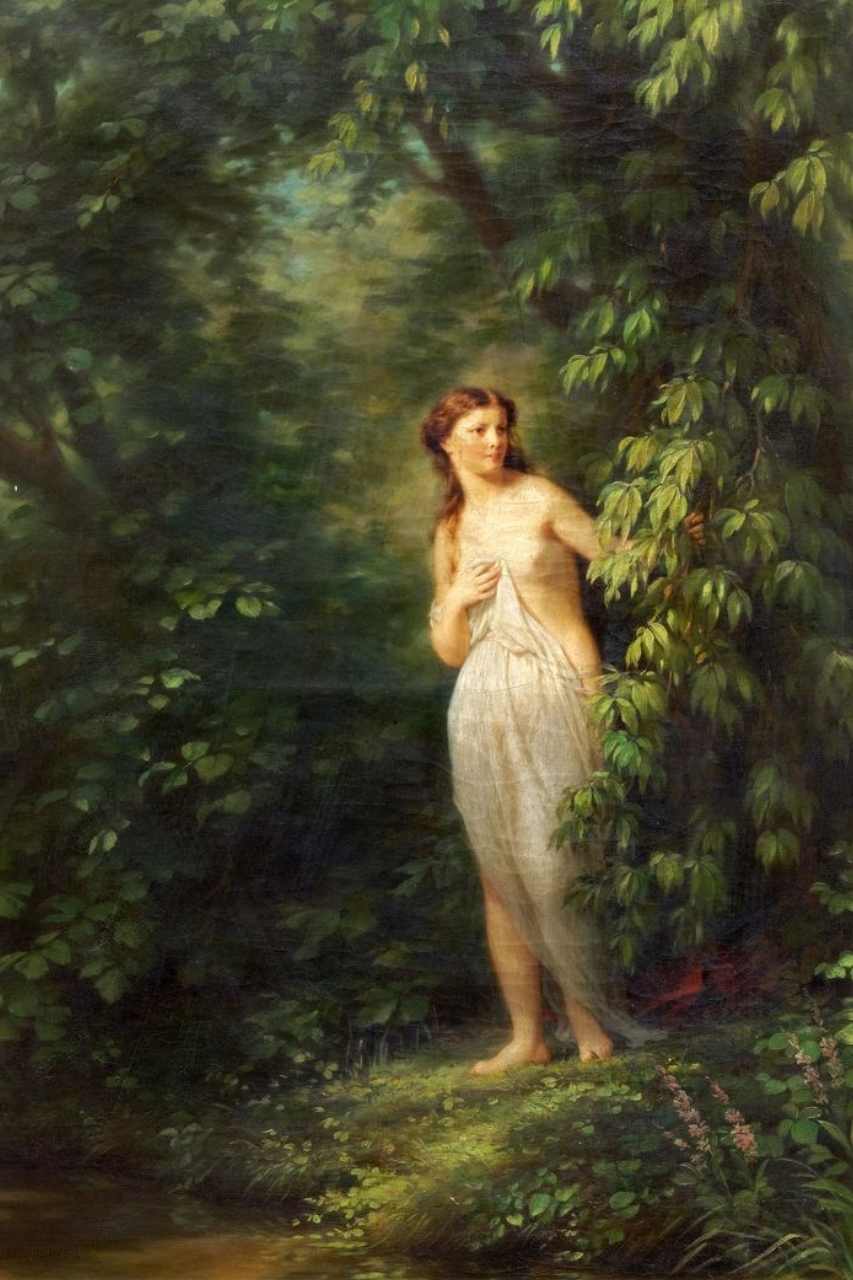
Forest Nymph in Greek mythology
What Is Forest Nymph?
Forest nymphs are minor goddesses, that have to do with nature and living in the forests. They are peaceful beings who are friendly with other nymphs as well. Additionally, they are humble creatures who live and protect nature and help it grow from the ground.
Forest Nymphs in Greek Mythology
Forest nymphs are minor female deities in Greek mythology that rule and take care of the forests and everything inside them. The forests include dense jungles, wildlife, wild vegetation, fruition, and water bodies. So the forest nymphs are in charge of various elements at one time. Unlike the other nymphs, forest nymphs are not confined to one landform.
The forest nymphs are most frequently referred to as Dryads in mythology. These dryads have different roles and they have a division of labor among themselves. Furthermore, there are various types of dryads in mythology, some of which are mentioned by Homer and Hesiod as well. We shall look at them in detail later in the article.
Characteristics of Forest Nymphs in Greek Mythology
The nymphs that take care of trees and forests are called Forest nymphs. Their purpose is to make sure that every being in the forest is living peacefully and everything is growing according to nature.
Forest nymphs have all the characteristics which are common in nymphs but also some specific and unique ones as well. To begin with, the dryads are close to nature and do not believe in extravagance, which is one of the key factors in how they are known.
They are very simple beings who enjoy the small things in life, additionally, they are known to be largely pescatarian or vegetarian. Nymphs are born in huge numbers and live together for protection purposes, nonetheless, all types of nymphs are connected to one another in some way through genealogy.
Nymph art is a very famous form of delicate art that is done using dyes made from trees and colorful flowers. As forest nymphs, they can climb trees with ease and are very agile.
As per how they look, they are very beautiful and petite. They are highly associated with the color green, which is why their symbols are a tree and a leaf since they have so much to do with greenery.
In addition, some of the dryads spend their whole life attached to a single tree. They care for it and nurture it so it grows well. As forest nymphs have more than one landform under them, they have very good relations with other nymphs as well, they are peaceful and friendly.
Nonetheless, they have close relations with Mount Olympus. They are called to the mountain to attend courts and festivities. Forest nymphs can marry gods and men. But as for having kids, they can have mortal and immortal children.
Important Forest Nymphs in Greek Mythology
The Iliad by Homer and Theogony mentions dome dryads that have played some important role in mythology. Following is a list of forest nymphs from literature:
Oreads
These are the dryads of pine trees in the mountains. The pine trees are hard to grow so the dryads make sure the trees grow right. They provide all the nutrition necessary for the tree.
Meliae
These are the dryads of ash trees in the mountains. They were born from Gaia, meaning he grounds, hence they come from ashes and soil. In addition, these forest nymphs were the goddesses of honey saps.
Hamadryads
These are the dryads of the oak trees in the mountains. Their core purpose is to take care of the oak tree in every way possible, in order to make the trees develop in a healthy way and grow. They provide the tree with adequate water and sunlight for optimum growth.
Meliades
These are the dryads of the fruit trees in the mountains and make sure that the fruits that grow are non-toxic and delicious.
FAQ
What Are the Major Types of Nymphs in Greek Mythology?
There are many types of nymphs in mythology. The major types of nymphs in Greek mythology are Water Nymphs, land nymphs, celestial nymphs, underworld nymphs, and forest nymphs.
Each type has its own specifications and origin. However, there are many common features among all the nymphs. They all are closely related to the gods and goddesses like Zeus, Hera, Dionysus, Hermes, and Gaia. Each of these types has control over its element. For example, a water nymph has supremacy over all water bodies and their direction. This is of course after the ultimate supremacy of Poseidon.
Likewise, the land nymphs take care of everything on land and celestial nymphs work regarding celestial beings and the alignment of the planets and the stars. The Underworld nymphs keep order among the dead and keep an eye on them as they work under Hades. Another very important category of nymphs is the Forest nymphs.
Were Nymphs Present During the Titanomachy?
Yes, some of the nymphs were present during the Titanomachy. Specifically, those nymphs present were either from Gaia or any of the Titans. The rest of the nymphs like the Oceanids and Naiads were born later and were present for Gigantomachy.
Who Are Nymphs in Greek Mythology?
Nymphs in Greek mythology are minor deities that are related to nature. Each nymph has a specific landform or element related to her and she lives and dies within it. These landforms or elements can be water, Earth, vegetation, fruition, fire, trees, forests, mountains, and a few more. After the gods, the nymphs have the ultimate supremacy over the elements and they take their job very seriously.
The nymphs are one of the most beautiful creatures in mythology. They are portrayed as women who are very delicate yet fierce when it comes to their own protection. They have the longest hair and have skin as white as milk. They are the epitome of perfection and truly are next in line to the goddesses.
The Iliad by Homer and Theogony by Hesiod, both mention and explain the existence and origin of various nymphs in mythology. Each type of nymph has a very different origin story. Some are purely Olympian blood and some are half human half god. The nymphs are female in nature, their male counterparts are the Oceanids.
Every god, goddess, creature, and monster is connected in Greek mythology because the mythology started with one goddess, Gaia, who gave birth to every living soul in the start. Among them were nymphs whose sole purpose was to populate the Earth. So in the broad sense, all nymphs are connected to each other because of the goddess Gaia.
Conclusions
In Greek mythology, nymphs are minor nature deities that are the most beautiful and have alluring powers. They can make a man do anything with their charm and will. Many people warn against interactions with the various types of nymphs because their beauty is blinding. Here are the points that aim to summarize the article for better and quick understanding:
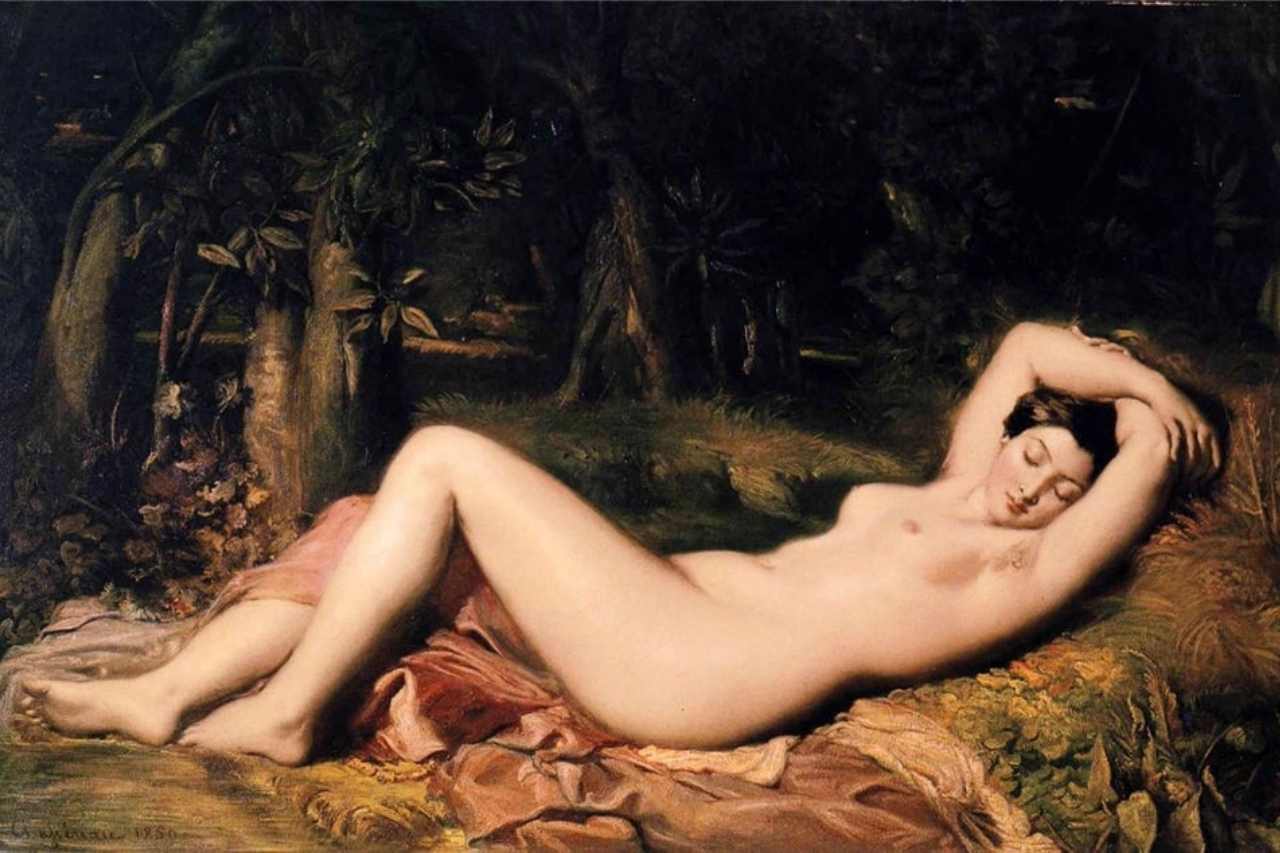
Forest Nymph: who was she and what is her role?
Forest nymphs are minor female deities in Greek mythology that rule and take care of the forests and everything inside them. The forests include dense jungles, wildlife, wild vegetation, fruition, and water bodies. Of course, these deities, their importance, and control over an element are after the gods and goddesses.
According to Homer and Hesiod, the forest nymphs are most frequently called Dryads in mythology. These dryads have different roles and they have a division of labor among themselves.
There are many types of other nymphs like Water Nymphs, Land Nymphs, Celestial Nymphs, and Underworld Nymphs. These nymphs are related to one another and may have similar domains under them. There are various theories on the origin of nymphs and also about their existence.
The main features of forest nymphs are that they take care of the forests. Some of the dryads chose a tree and live and die with it. On the basis of the chosen tree, dryads can be distributed into many subcategories.
The forest nymphs are surely an important creature of the Greek world. Here we come to the end of the article. We hope you found everything you were looking for and had a pleasant read.