Timeless Myths Logo
Aphrodite Apollo Ares Artemis Athena Atlas Coeus Crius Cronus Demeter Dionysus Gaia Hades Hephaestus Hera Hermes Hestia Hyperion Iapetus Mnemosyne Oceanus Phobos Phoebe Poseidon Prometheus Rhea Tethys Themis Uranus Zeus
Bacchus Ceres Diana Juno Jupiter Mars Mercury Minerva Neptune Pluto Venus Vesta Vulcan
Amun Anubis Aten Atum Babi Bastet Bes Geb Hapi hathor heqet Horus Isis Khepri Khnum Khonsu Maat Nephthys Nut Osiris Ptah Ra Seshat Seth Shu Sobek Thoth
Alfheim Baldur Freya Freyr Frigg Heimdallr Helheim Idun Jotunheim Loki Nerthus Njord Odin Thor Tyr
Aengus Arawn Badb Brigid Cailleach Ceridwen Cernunnos Cu Chulainn Dagda Danu Gwydion Herne the Hunter Lugh Medb Morrigan Neit Nuada Taliesin Taranis
Chalchiuhtlicue Coatlicue Huitzilopochtli Mictlantecuhtli Mixcoatl Ometeotl Quetzalcoatl Tezcatlipoca Tlaloc Tonatiuh Xipe Totec Xochiquetzal Xolotl
Amaterasu Ame no Uzume Benzaiten Bishamonten Daikokuten Ebisu Fujin Fukurokuju Inari Izanagi Kagutsuchi Raijin Susanoo Tsukuyomi
Caishen Cangjie Dragon King Eight Immortals Erlang Shen Fuxi Guanyin Hou Yi Huxian Jade Emperor King Yama Leizi Lu-ban Mazu Nezha Nuwa Pangu Shennong Sun Wukong Xiwangmu Yue Lao Zhong Kui
Norse Classical Celtic Arthurian
Literature Stories Names
Aphrodite Apollo Ares Artemis Athena Atlas Coeus Crius Cronus Demeter Dionysus Gaia Hades Hephaestus Hera Hermes Hestia Hyperion Iapetus Mnemosyne Oceanus Phobos Phoebe Poseidon Prometheus Rhea Tethys Themis Uranus Zeus
Bacchus Ceres Diana Juno Jupiter Mars Mercury Minerva Neptune Pluto Venus Vesta Vulcan
Amun Anubis Aten Atum Babi Bastet Bes Geb Hapi hathor heqet Horus Isis Khepri Khnum Khonsu Maat Nephthys Nut Osiris Ptah Ra Seshat Seth Shu Sobek Thoth
Alfheim Baldur Freya Freyr Frigg Heimdallr Helheim Idun Jotunheim Loki Nerthus Njord Odin Thor Tyr
Aengus Arawn Badb Brigid Cailleach Ceridwen Cernunnos Cu Chulainn Dagda Danu Gwydion Herne the Hunter Lugh Medb Morrigan Neit Nuada Taliesin Taranis
Chalchiuhtlicue Coatlicue Huitzilopochtli Mictlantecuhtli Mixcoatl Ometeotl Quetzalcoatl Tezcatlipoca Tlaloc Tonatiuh Xipe Totec Xochiquetzal Xolotl
Amaterasu Ame no Uzume Benzaiten Bishamonten Daikokuten Ebisu Fujin Fukurokuju Inari Izanagi Kagutsuchi Raijin Susanoo Tsukuyomi
Caishen Cangjie Dragon King Eight Immortals Erlang Shen Fuxi Guanyin Hou Yi Huxian Jade Emperor King Yama Leizi Lu-ban Mazu Nezha Nuwa Pangu Shennong Sun Wukong Xiwangmu Yue Lao Zhong Kui
Norse Classical Celtic Arthurian
Literature Stories Names

Aetna Greek Mythology: The Story of A Mountain Nymph

Mythology

Aetna Greek mythology is an interesting character because of her origin and connections. She was a nymph and a goddess of the mountains at the same time. Most famously she is related to Mountain Aetna in Sicily which is a very famous tourist spot because of its breathtaking views. In this article, we bring you all the information about the goddess and how a mountain was named after her.
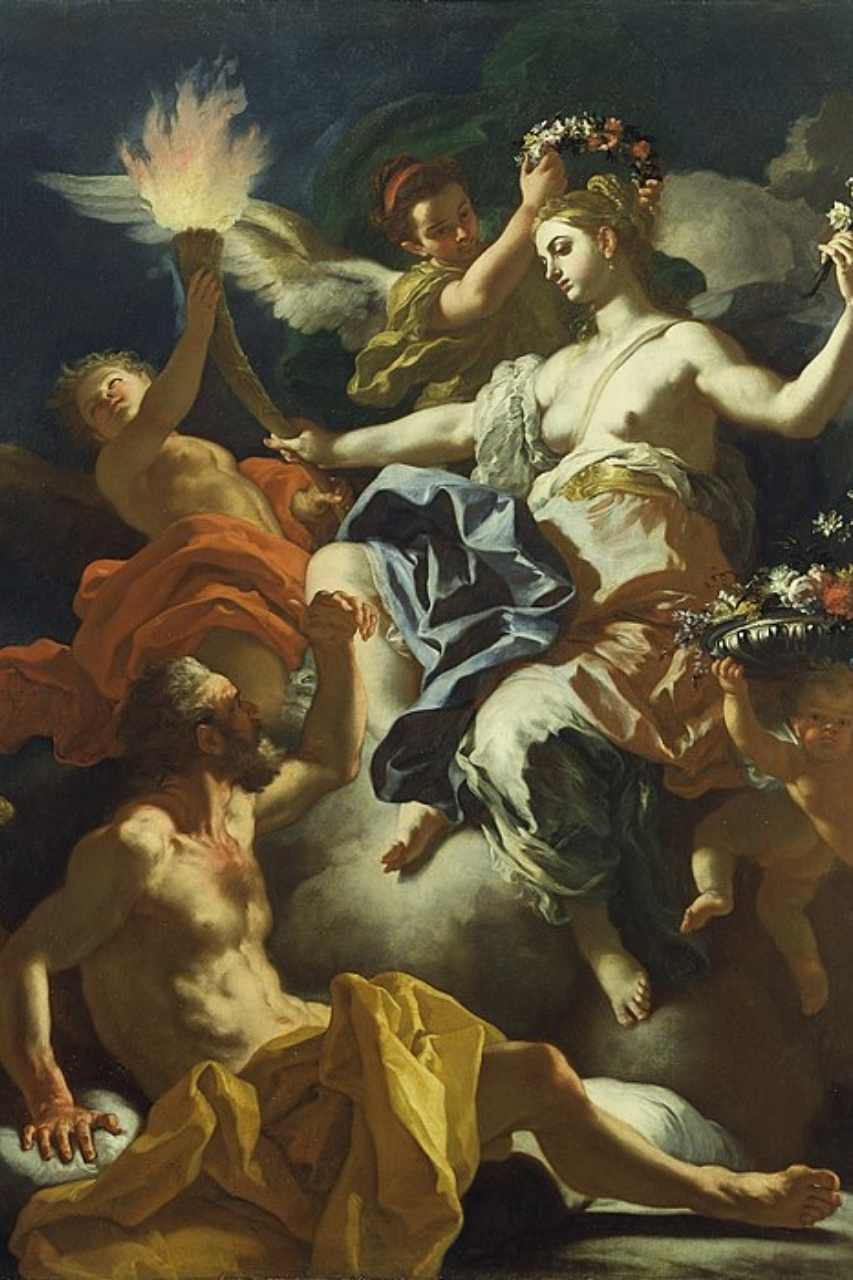
Who Was Aetna Greek Mythology?

Aetna Greek mythology is one of the many characters in mythology. She was the goddess of the volcanic mount. She was born a nymph, which are special characters in mythology that have power over specific elements or landforms. She was a gorgeous nymph who was as strong as the mountains.

Origin of Aetna Greek Mythology

There are different theories on who actually are the parents of Aetna since some of the biggest names of mythology have been linked to Aetna. Even though she was a nymph, many gods still claimed her as their own. Aetna was a goddess of mountains as well which put a lot of things into perspective in case of her origins.

According to Alcimus, goddess and mountain nymph Aetna, was the daughter of the most primordial gods of Greek mythology, the mother of all Titans, Gaia, and the Titan god himself, Uranus. This could be true as she was a goddess herself so it only made sense that her parents were also gods themselves. If Aetna was the daughter of Gaia and Uranus she must be the sibling of the most important deities in all of Greek mythology.

The other theory about Aetna’s parents is that she was the daughter of Gaia and Briareus, the monster with 50 heads. The latter seems very highly unlikely because the daughter of a monster would also be a monster and Aetna was a human soul. Lastly, some claimed that she was Oceanus's daughter, which would make her the grandchild of Uranus and Gaia.
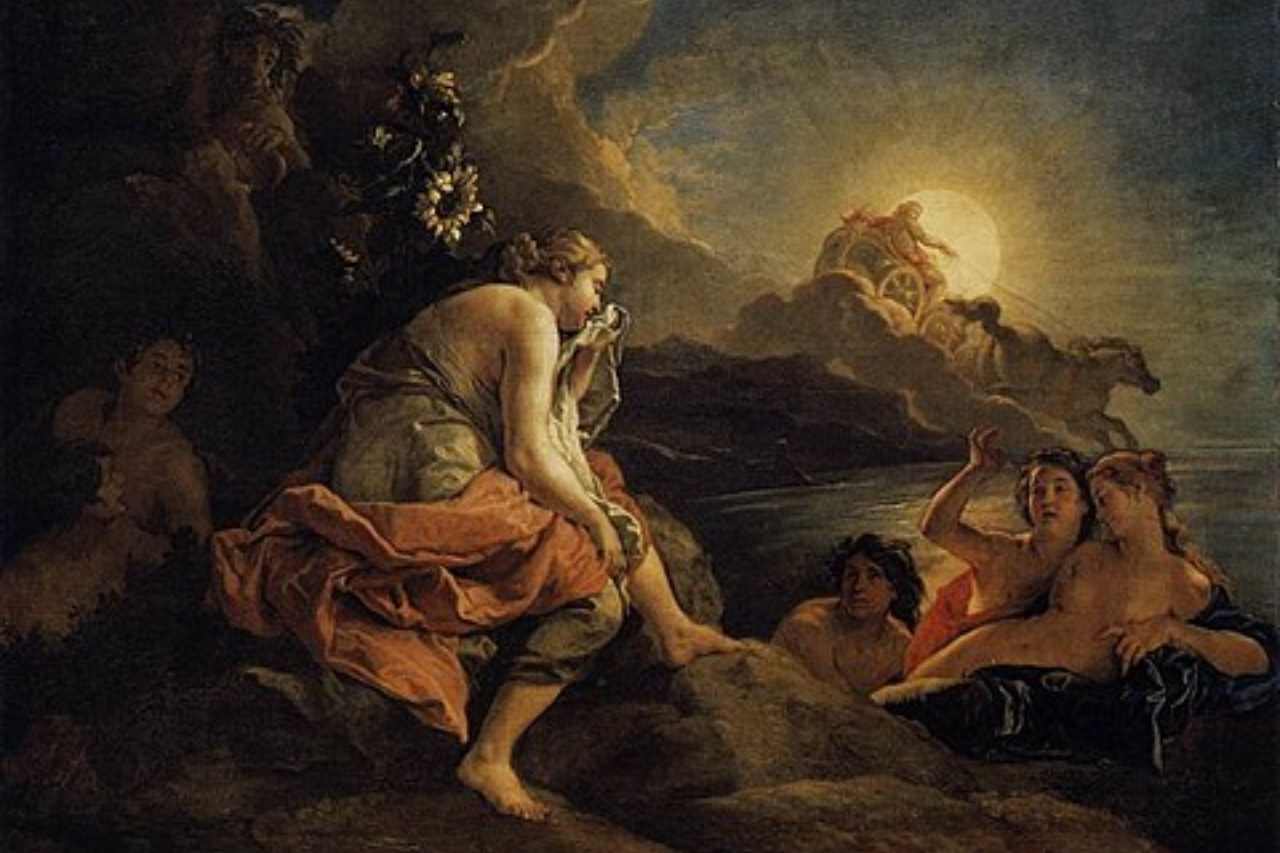
Characteristics of Aetna of Greek Mythology

Goddess Aetna was magnificent with long silky hair and sharp yet elegant facial features. Every eligible bachelor had his eye on this mountain goddess, but she was unbothered by the lot of them. She was busy with her life and wanted to live it according to her wishes and terms.

However, as she was the goddess of mountains, her character strongly resembled them too, the way she was brave, she was strong-headed and steadfast. The famous mountain in Sicily Mount Aetna, which has much mythological importance, is said to be named after her. It is the same mountain where Zeus got his thunderbolts from and also buried Typhoon and Braireus for their treachery.

From this mountain, Aetna got the title of the Sicilian nymph by which she is constantly referred to in the works of Homer and Hesiod. According to some sources, Zeus married Aetna and had children with her. One of their sons was Palici, who was written about in Greek and Roman mythologies; he was the god of hot spring waters.

Legacy of Aetna

The legacy of Aetna is surely the mountain named after her and also her son, Palici. She was one of a kind goddess and the only goddess to have a mountain of such importance named after her in Greek mythology. She is also mentioned in Roman mythology but very rarely.

FAQ

Who Are Nymphs in Greek Mythology?

Nymphs are minor nature deities in Greek mythology. They are born in huge numbers and tend to stick together for protection purposes. They have a strong relationship with the Olympian and Titan gods and goddesses. The first ever nymphs were created by Gaia and their sole purpose was to populate the Earth.

These characters are one of the most beloved and beautiful characters of mythology. They have milk-like white skin and long black hair. They have the skills of alluring men and making them do anything according to the nymph’s will. People advise about not dealing and interacting with nymphs because their beauty is blinding.

Nymphs control landforms and elements. They work under a major deity and hence they are the minor deities. Hesiod and Homer have explained and used nymphs many times in the text as these creatures played important roles in the lives of Olympian gods and Greek events.

What Is the Most Famous Mythology?

There are many mythologies in the world today. Greek mythology is by far the most talked about. It has various gods, goddesses, and creatures that have magical powers and exceptional abilities. The emotions and feelings portrayed by the characters in the mythology are very relatable and hence people are drawn to the mythology. The most prominent poets of mythology are Homer and Hesiod.

Mythologies come from all around the world and are based on various religions, ethnicities, folklore, and people. Among the mythologies, the most famous mythologies are Greek, Roman, Norse, and Japanese mythologies because of the diverse characters, exciting storylines, and incredible creatures present in them. A lot of credit should also be given to the poets and writers of each of these mythologies as it is because of them that we know about the mythologies.

Conclusions

Aetna in Greek mythology was the goddess of mountains. She was also a Sicilian nymph on which a famous mountain was named. There are multiple theories present about her parentage and origin. Homer and Hesiod mention her in their works but very scarcely. Here are the points that will summarize the article:

  • Aetna was the daughter of Gaia and Uranus. Some say she was the daughter of Gaia and Braireus, a 50-headed monster and lastly most believe she was the daughter of the Titans, Oceanus ad Tethys. Among all of these pairs, the most believable is the pair of Gaia and Uranus being the parents of Aetna.

  • She was a Sicilian nymph and the reason that she was called Sicilian is that a famous mountain in Sicily was named after her. This mountain had considerable importance in Greek mythology. It is where Zeus got his thunderbolts from underneath the same mountain, Zeus buried Typhoon and Braireus for their treachery.

  • According to some sources, Zeus married Aetna and they had a son named Palici. Palici and Aetna were both written about in Greek mythology but also in Roman mythology.

  • There is no information about the death of Aetna or her afterlife. The last known information about her is regarding the birth of her son Palici. Theogony by Hesiod also does not explain the end of Aetna in any way.

Aetna was not the most famous of goddesses in Greek mythology but indeed had connections. Her legacy through the mountain lives on. Here we come to the end of the article about Aetna, the Sicilian goddess. We hope you found everything that you were looking for and had a pleasant read.

By Ancient Literature

Created: January 1st, 2025

Modified: November 20th, 2024

Aetolus

Aetolus

Aetolus' reign in Elis was also short. Aetolus (Αἰτωλός) participated in the funeral games of Azan. In a chariot race, Aetolus accidentally ran over and trampled Apis, possibly the king of Argos. Either Aetolus fled from Elis, or he was banished f...

May 12th, 2001 • Jimmy Joe
Aetolia

Aetolia

A region east of the river Acheloüs. The region was named after Aetolus. Aetolus was the son of Endymion, king of Elis. His brother Epeius succeeded to the throne in Elis first, by winning a foot race. However, Epeius died young and was childless,...

August 8th, 1999 • Jimmy Joe
Atalanta

Atalanta

A huntress and heroine of the Calydonian boar hunt. Atalanta (Ἀταλάντη) was the daughter of Iasus, king of either Tegaea or Maenalus, by Clymene the daughter of Minyas. The Boeotians believed she was a daughter of Schoeneus, son of Athamas, and ki...

June 22nd, 2003 • Jimmy Joe
Companions of the Goddess

Companions of the Goddess

One of the favourite pastimes of many nymphs was hunting. These nymphs often became hunting companions of the goddess Artemis. Artemis was the goddess of hunting and the chase. She was a powerful goddess of the forest and the Lady of Wild Beasts. ...

August 31st, 2002 • Jimmy Joe
Forest Nymph: The Minor Greek Deities of Trees and Wild Animals

Forest Nymph: The Minor Greek Deities of Trees and Wild Animals

A forest nymph in Greek mythology is an interesting character. The nymphs are the most beautiful maidens and are one of a kind. Apart from their beauty, they have some related powers to nature and can control or manipulate the elements. Read ahead...

February 16th, 2024 • Ancient Literature
Aegaeon: The Loyal Giant Monster in Greek Mythology

Aegaeon: The Loyal Giant Monster in Greek Mythology

Aegaeon in Greek mythology refers to different characters, but the most well-known is as one of the Hecatonchires, who are giants with enormous strength and a monstrous appearance. Because of this, their father kept them imprisoned until such an e...

February 15th, 2024 • Ancient Literature
Goddess Aura: The Victim of Jealousy and Hatred in Greek Mythology

Goddess Aura: The Victim of Jealousy and Hatred in Greek Mythology

Goddess Aura was most frequently associated with the light wind more like a breeze. She was written about in both Greek and Roman mythology which makes her even more important and famous. The Goddess lived a life full of interesting twists and eve...

February 16th, 2024 • Ancient Literature
Alope: The Granddaughter of Poseidon Who Gave Her Own Baby

Alope: The Granddaughter of Poseidon Who Gave Her Own Baby

Alope was an ancient Greek woman from the town of Eleusis famous for her ravishing beauty. She was so beautiful that her grandfather, Poseidon, fell for her. As was common with the Greek gods, Poseidon seduced and raped the young lady and had a ch...

January 1st, 2025 • Ancient Literature
Artemis and Orion: The Heartbreaking Tale of a Mortal and a Goddess

Artemis and Orion: The Heartbreaking Tale of a Mortal and a Goddess

Artemis and Orion in Greek mythology are lovers who faced a tragic ending in their love story. The relationship between Orion, a mere mortal, and Artemis, the goddess of hunting, was devastated by none other than her twin brother, Apollo, who was ...

February 15th, 2024 • Ancient Literature
Aegina and Aeacus

Aegina and Aeacus

The story of Aegina (Αἄγινα) and her son has already been briefly told in the Aegina, Islands (Geographia) and in the Myrmidons, Mythical Creatures sections. Hera persecuted them because of Zeus' dalliance with yet another mortal girl. Asopus was ...

March 17th, 2001 • Jimmy Joe
Timeless Myths

Exploring mythology and legends from around the world.

Explore Myths

All Stories Characters All Articles Search Site Map

Mythologies

Norse Mythology Classical Mythology Celtic Mythology Arthurian Legends Mythology Gods Ancient Literature

About Us

Introduction About Jimmy Bibliography FAQs Retro Version

Resources

Timeless Myths All Stories All Articles Characters
© 1999-2026 Timeless Myths • Copyright • Privacy Policy • Cookie Policy • Contact
Follow us: