Hector in the Iliad: The Life and Death of Troy's Mightiest Warrior
Hector was the son of King Priam and Queen Hecuba of Troy and he was married to Andromache, the daughter of Eetion. The couple gave birth to a son called Scamandrius also referred to as Astyanax.
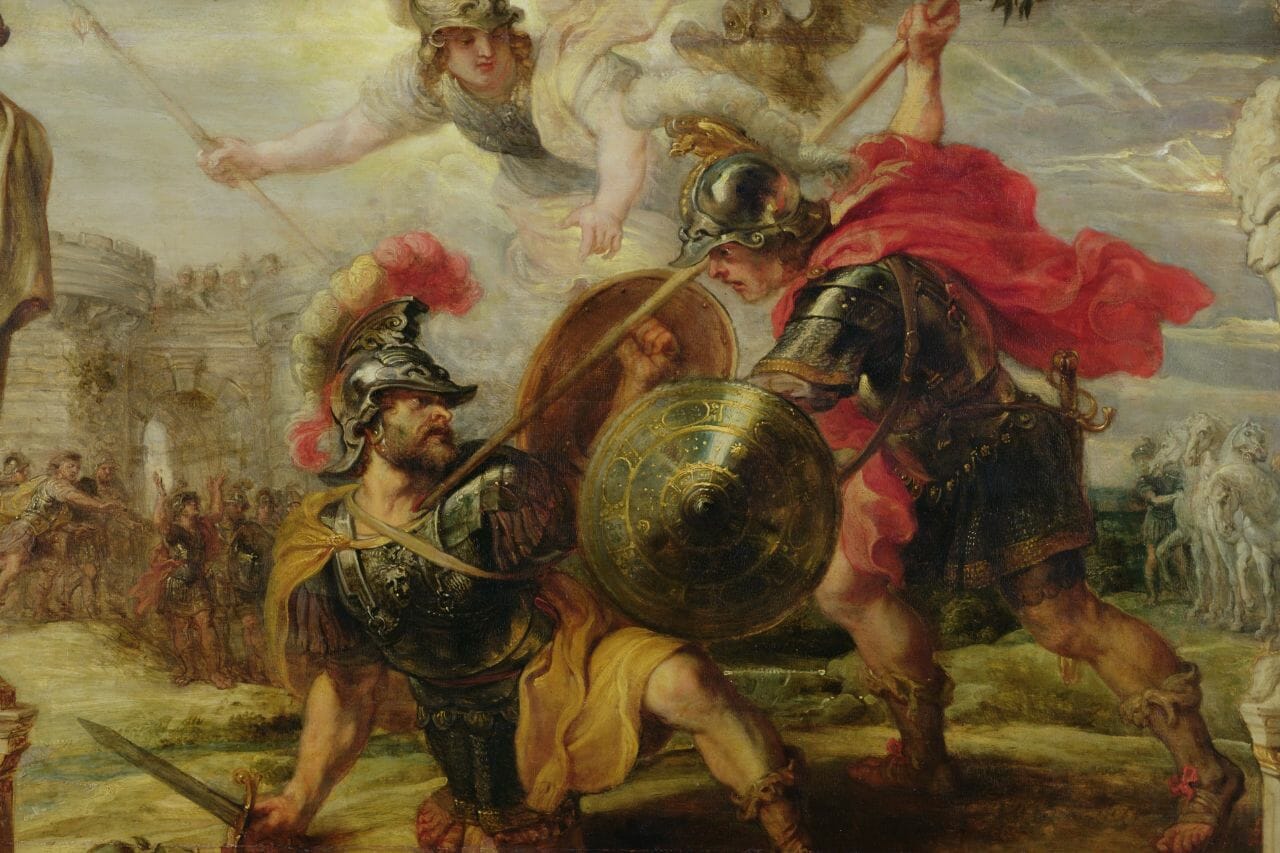
In Homer's Iliad, Hector was known both for his bravery and his great character, as he displayed by exchanging gifts with his enemy Ajax the Great. Keep reading to find out more about the story of Troy's greatest warrior in the war.
Who Is Hector in the Iliad?
Hector in the Iliad was the greatest Trojan champion whose bravery, and skill were unmatched in the camp of the Trojans. He was loyal to the course of Troy and did not mind dying for it. Though he died at the hands of Achilles, his great deeds outlived him.
Hector as a Hero
According to the myth, Hector was the strongest warrior of the Trojans and served as their commander. Under his command were notable heroes such as Helenus, Deiophus, Paris (who were his brothers), and Polydamas.
He was described as a maniac and dynamite by his enemies yet he displayed gentility on the battlefield as well. He routed a few Greek heroes and killed several Achaean soldiers.
Hector's Fight With Protesilaus
The first notable Greek champion to fall by the sword of Hector is Protesilaus, king of Phylake in Thessaly. Before the start of the war, a prophecy claimed that the first to set foot on Trojan soil would die. Protesilaus was the first to land on Trojan soil, knowing the prophecy all too well. Though he fought bravely and killed a few Trojan warriors, the prophecy was fulfilled when he encountered Hector.
Hector's Encounter With Ajax
Later, Hector faced Ajax, the son of King Telamon, and his wife Periboea of Salamis. At the time, Hector used his influence as the mightiest warrior, in the absence of Achilles, to force the two sides temporarily halt all hostilities. He then challenged the Greeks to elect a single hero who would duel with him under the condition that the winner of the duel also wins the war. Though Hector wanted to avoid further bloodshed, he had also been spurred on by a prophecy that he would not die yet.
First to offer himself was Menelaus, the king of Sparta and husband of Helen of Troy. However, Agamemnon discourages him from dueling with Hector because he was no match for the Trojan champion. After much hesitation and a lengthy exhortation from Nestor, the King of Pylos, nine warriors availed themselves to fight Hector. Therefore, lots were cast to determine who among the nine would duel with Hector and it fell on Ajax the Great.
Hector and Ajax started the duel by throwing spears at each other but they all missed their aim. The combatants resorted to using lances and this time Ajax wounds Hector by breaking his shield with a rock and piercing him with a lance.
However, the god of prophecy, Apollo, intervened and the duel was called off as evening was fast approaching. Seeing that Ajax was a worthy adversary, Hector shook his hands and exchanged gifts with him.
Ajax gave Hector his girdle while Hector gave Ajax his sword. These gifts were premonitions of the fate these great warriors were to suffer on the battlefield. Ajax committed suicide by the sword of Hector and Hector's dead body was paraded through the city, tied to a chariot by the girdle of Ajax.
Hector Scolds Paris
Hector found out that Paris was hiding from the war and living in the comfort of his home. Thus, he went there and scolded his younger brother for abandoning the war that he brought upon them. Had Paris not kidnapped Helen, the wife of Menelaus, Troy would not be facing imminent doom. This scolding forced Paris into action and he faced off with Menelaus to determine the fate of both sides.
Paris was no match for Menelaus as he gave the young prince the beating of his life. However, when Menelaus was about to deal the final blow, Aphrodite, whisked Paris away to the safety of his home. Thus, the results were inconclusive and the war resumed when the Trojan warrior, Pandarus, shot an arrow at Menelaus which wounded him. This angered the Greeks who unleashed a major onslaught on the Trojans, driving them back to their gates.
Leading the Counter-attack
Fearing that his city might be overrun soon, Hector went out to lead his army against the Greeks. His wife and son tried to dissuade him from fighting for they knew that they would not see him again. Hector calmly explained to his wife, Andromache, the need for defending the city of Troy. He left the family, donned his bronze helmet, and led a counter-attack to drive the Greeks from the gates.
The Trojans fought the Greeks and beat them back to their ships, however, Agamemnon rallied the troops and prevented the Trojans from seizing the Greek ships. Finally, Hector gave up the chase and nightfall approached and vowed to set fire to the ships the next day. The Trojans then set up camp on the battlefield and passed the night, waiting for daybreak.
Burning Protesilaus's Ship
However, when day broke, Agamemnon roused the troops and they fought the Trojans like a wounded lion, driving them back to their gates. All this while, Hector stayed out of the war until Agamemnon, who suffered an injury to his arm, left the battlefield.
Once he was gone, Hector emerged and led an assault but was held off by Diomedes and Odysseus to allow the Greeks to retreat. The Trojans still pursued the Greeks to their camp with Hector breaking one of the Greek gates and commanding a chariot attack.
With the help of the god Apollo, Hector finally seizes the ship of Protesilaus and then orders for fire to be brought to him. Sensing what Hector was about to do, Ajax killed any Trojan that attempted to bring the fire to Hector. Hector attacked Ajax and succeeded in breaking his spear, forcing Ajax to retreat. Hector finally set Protesilaus's ship on fire and the Greeks suffered a heavy defeat.
Hector Kills Patroclus
The defeat of the Greeks greatly disturbed Patroclus and he tried to talk Achilles into returning to the battlefield, at least, to rally the troops. Achilles refused but agreed to let Patroclus wear his armor and lead the Myrmidons, Achilles' warriors. However, he warned Patroclus to only drive the Trojans away from the Greek ships and not to pursue them to the gates of Troy. Therefore, Patroclus donned Achilles' armor and led the Greek army to drive the Trojans from the ships.
In the excitement of the apparent victory, Patroclus chased the Trojans to their gates, either forgetting Achilles' warning or was merely carried away. Achilles' armor gave him invincibility and Patroclus slew all who came his way including Sarpedon, the mortal son of Zeus. However, when he encountered Hector, Apollo removed his wits, allowing Euphorbus's spear to wound Patroclus. Hector then dealt the final blow to the wounded Patroclus but before he died, he prophesied the death of Hector.
Hector and Achilles
The death of Patroclus grieved Achilles who rescinded his decision to not fight for the Greeks. He rallied his Myrmidons and routed the Trojans back to their gates until he came into contact with Hector. When Hector saw Achilles fast approaching, he took to his heels until he was caught by Achilles. Hector and Achilles engaged in a duel with Achilles coming out on top with the help of Athena.
Hector Iliad's death marked the end of the war for the Trojans as they lost all confidence and their morale gave way to despair. His bravery, strength, skill, and leadership skills were some of the characteristics of Hector in the Iliad that endeared him to the Trojans. He also left behind some memorable Hector quotes Iliad that inspires us even today.
Conclusion
So far, we've been studying the life of the greatest warrior to ever walk the land of Troy. Here's a recap of all that we've read so far:
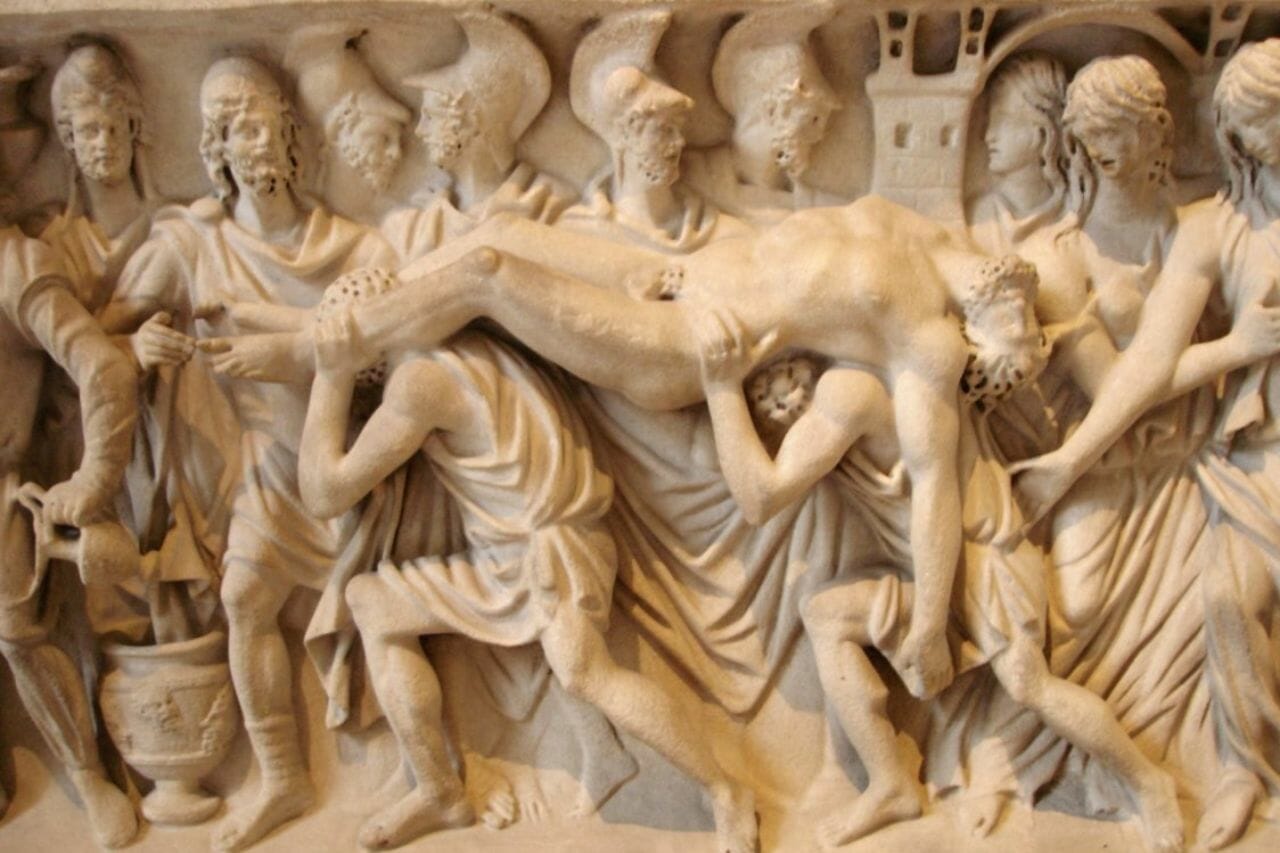
Hector was the son of King Priam and Queen Hecuba of Troy and the finest warrior the Trojans had in their ranks.
His leadership saw several victories against the Greeks including seizing and burning the ship of Protesilaus.
He also defeated several Greek warriors including Protesilaus and Patroclus drove them from Troy's gates to their camp.
Although he was known as a maniac on the battlefield, Hector was a gentleman who acknowledged the skill of Ajax the Great and exchanged gifts with him.
He met his death when he encountered Achilles who killed Hector with the help of Athena, the goddess of war.
Hector's admirable qualities endeared him to the Trojans and his presence in the army gave confidence to the troops while striking fear into the hearts of the opponents.