Mt IDA Rhea: The Sacred Mountain in the Greek Mythology
Mt IDA Rhea in Crete is one of the two sacred mountains in Greek mythology. One of the mountains associated with Rhea is located in Crete, whereas the other is located in Anatolia. We have curated the most authentic information from the archives in Greece. This article will read about the two mountains in detail and why they are important in Greek mythology.
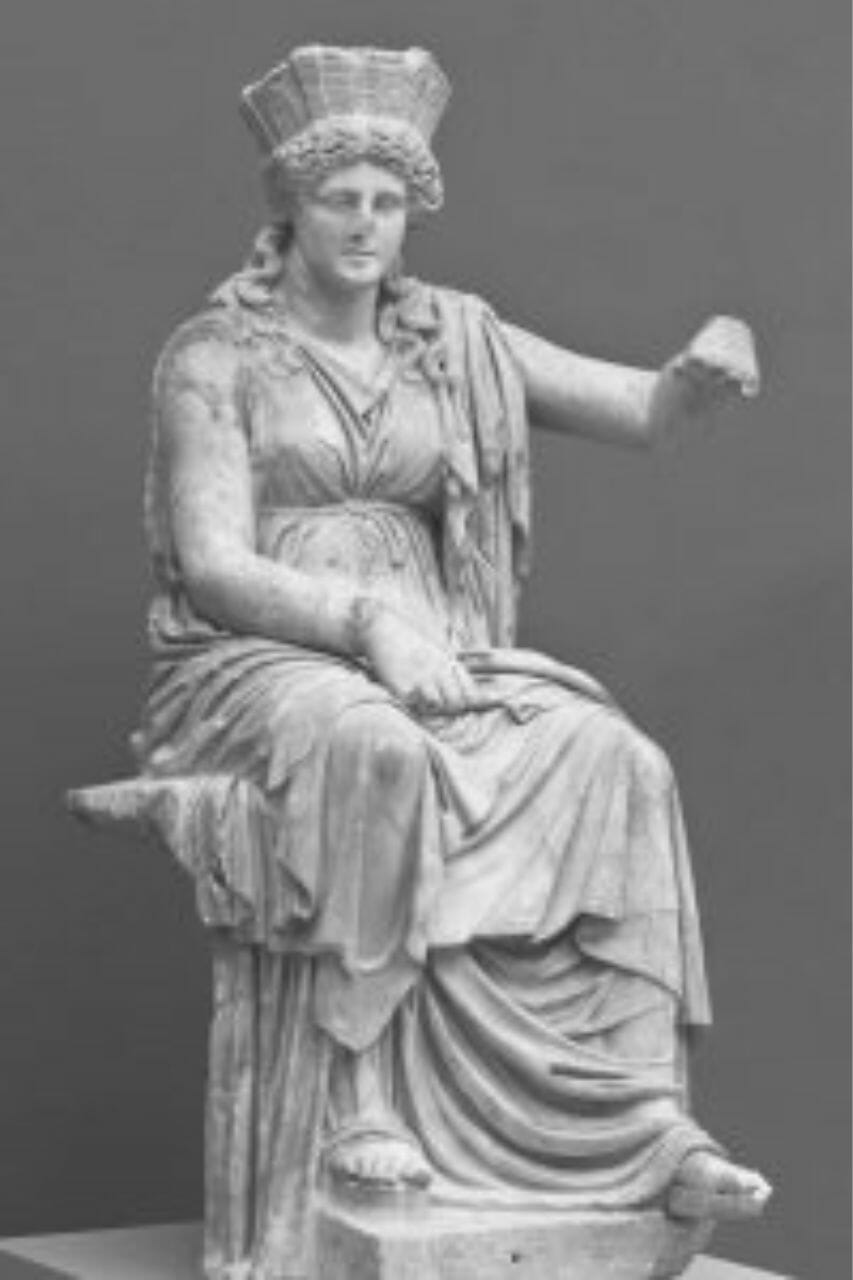
Mt IDA Rhea
There are many sacred mountains in the mythology other than Mountain Olympus for example, Mount Othrys, Mount Parnassus, and Mount Pelion. Here we will talk about Mount Ida. Mount Ida is the name of two mountains, present at two different locations in the world, and both have to do with Greek mythology. There is Mount Ida Rhea in Crete and Mount Ida Cybele in Anatolia.
Both of these mountains have been mentioned in Homer's Iliad and in the Aeneid by Virgil, which corroborates their importance. It is key to know that both Cybele and Rhea were the mother goddesses in Greek and Roman mythology. These mountains were the place of important events in their lives which is why they were named after them.
Mountains have played an important role in Greek mythology. Many of the most famous events and battles have taken place in some mountains. The resting site of all the Olympians is also a mountain, Mount Olympus. Greece has some of the most beautiful mountain ranges globally, so it was only fitting that its religion had mentioned several of them.
Mountain IDA In Crete
Mount IDA located in Crete, is the highest summit on the Greek island. This mountain is association with the Greek mother goddess, Rhea, brings in a lot of visitors and tourists to the site. The most famous site on the mountain is a cave in which Rhea gave Zeus to his foster mother, Amaltheia to look after him and hide him from his father Cronus. The mountain plays a significant role in Greek mythology.
Rhea and the Mountain IDA in Crete
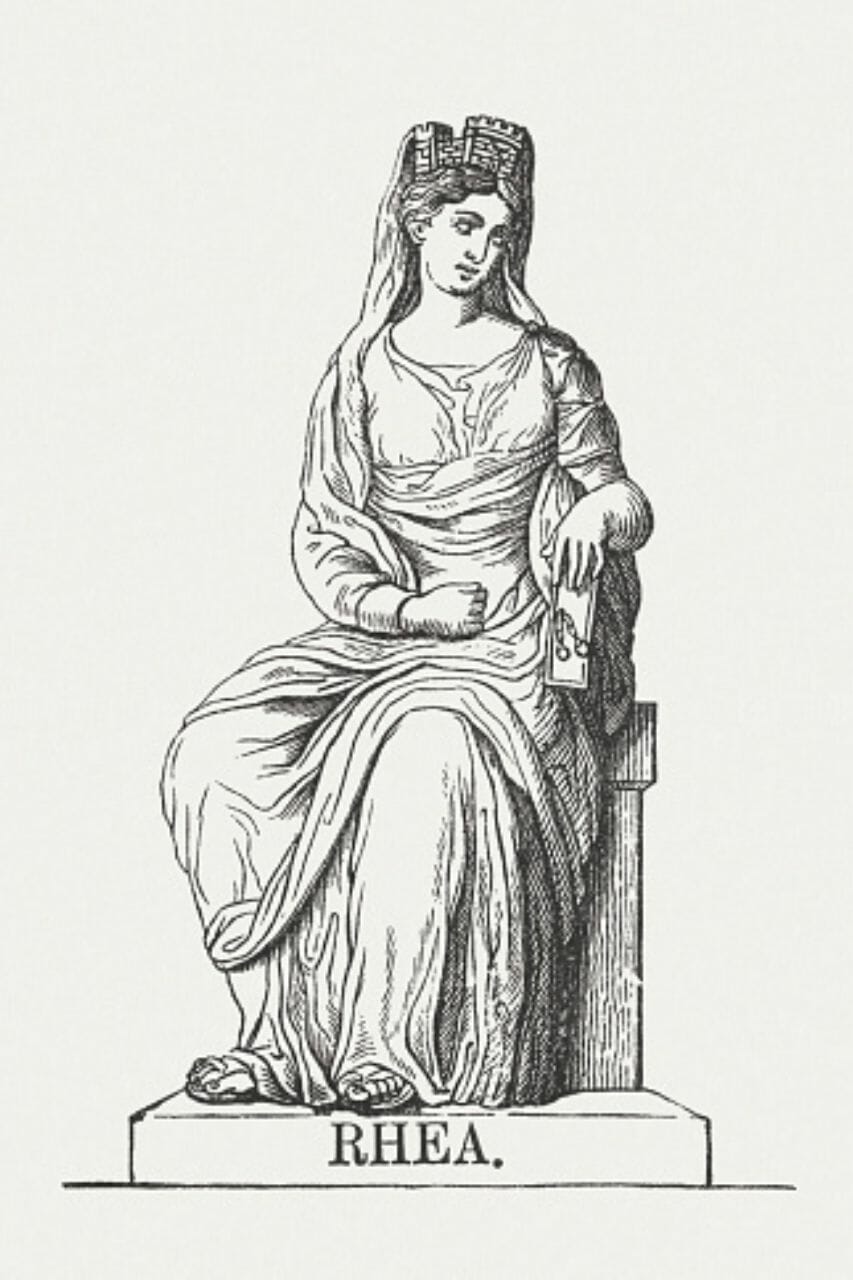
It is a crucial notion that the Mountain Ida in Crete is associated with the mother goddess Rhea. In Greek mythology, Rhea was known as the goddess of all Olympian gods and goddesses. She was the goddess of female fertility, motherhood, ease, and generations. People referred to her as the Meter Megale, the great mother. She was the wife of Cronus, who Murdered Uranus taking the order from his mother, Gaia.
Cronus knew of the prophecy that one of his sons would be his dead. For this reason, he would eat any and all of his children. This act was very hurtful for Rhea as one after the other, her children were taken away from her. Once she was pregnant with Zeus and this time she had made up her mind to keep him alive.
When Cronus came to eat Zeus, she gave him a rock wrapped in cloth instead of Zeus. She later gave Zeus to Amaltheia, who was the foster mother of Zeus. This is why the mountain plays an important role, because Mount Ida Rhea was the hiding place of Zeus in Greek mythology. Zeus remained in Mount Ida until he was grown up, and after he grew up, he was able to take avenge and save all of his siblings from having a corrupt destiny.
Titanomachy
Rhea was at the forefront of the Titanomachy as it was her husband and son against each other. Zeus and Cronus were fighting over the ultimate supremacy and the prophecy that once feared Cronus had become a dire reality. She sided with Zeus as he was trying to save his siblings and himself from the wrath of the Titans. In the end, the Olympians had won and Rhea joined them.
This started the era of the Olympians after which no other generation could dethrone them. These Olympians lived on Mount Olympus, another very important mountain in Greek mythology. The Olympians created the humans on Earth and they were the ones that taught humans the ways of life. The humans in return religiously worshipped the Olympian gods and goddesses to the fullest.
Mountain IDA in Anatolia
The Mountain Ida in Anatolia, located in present-day Turkey is the other important mountain in the mythology. This mountain is also referred to as Phrygia. It is 5820 feet in altitude and is located in the Balıkesir Province, northwest Turkey. In the Turkish language, it is called Kaz Dagi. This mountain is associated with Cybele, who was sometimes known as a Greek goddess and sometimes as a Roman goddess.
In both mythologies, she was named the Mother goddess but from a religious point of view, not like Rhea. Cybele was called Mater Idae, which means the Idean Mother. Some also claim that Rhea and Cybele are the dame goddesses. This notion might be a stretch and not reality because they both exist on their own in the mythologies.
Trojan War and the Mount IDA
It is quiet interesting how the reason this mountain is so famous and remembered is due to the fact that it was mentioned in the Trojan war's history. The Trojan war is the second biggest war in Greek mythology after the Titanomachy. The Greeks fought against the people of Troy, and most Olympian gods and goddesses were on the side of the Greeks.
However, Some of the events that led up to the war happened on this very mountain, according to some sources from literature and historic archives. However, the truth to this notion cannot be verified. In one account it is also narrated that the Olympian gods and goddesses came to this mountain to watch the battle of Troy. Hera seduced Zeus on this mountain to let the Greeks take over Troy and lead to ultimate victory.
If we look at the outcomes of the Trojan war, many different events take place on Mount Ida after the victory of the Greeks. It is said that the only surviving son of Priam, Helenus, retired to Mount Ida. In historical times it has been mentioned that Xerxes I marched far from the Trojan war and took him past Mount Ida.
Note that these mountains serve as holy sites for the followers and the believers of both the mythologies, hence they were seen as divine, mighty, and sacred. That is why it is simple to say that much work should be done to save and secure the sanctity of these illustrious natural bodies, due to its history and sacredness in the eyes of its followers and worshippers.
FAQ
Who Is Ida in the Aeneid?
In Aeneid by Virgil, Ida is the name of two mountains, one in Crete and the other one in Anatolia. These mountains have much importance in Greek mythology as described by Virgil. People who believe in the mythology pilgrimage to these mountains yearly.
Conclusion
Mount Ida is the name of two mountains in Greek mythology that are present far away from each other. One is present in Crete and the other is present in Anatolia which is present-day Turkey. Mount Ida in Crete is associated with Rhea and Mount Ida in Anatolia is associated with Cybele and some other important events in Greek mythology. Here are some pints that would sum up the article on Mount Ida:
There are many sacred mountains in the mythology other than Mount Olympus for example Mount Othrys, Mount Parnassus and Mount Pelion.
The most famous site on the Mountain Ida in Crete is a cave in which Rhea gave Zeus to his foster mother, Amaltheia to look after him and hide him from his father Cronus. So Mount Ida Rhea was the hiding place of Zeus in Greek mythology.
Cybele was called Mater Idae which means the Idean Mother while people referred to Rhea as the Meter Megale, the great mother.
Hera seduced Zeus on the mountain Ida in Anatolia to let the Greeks take over Troy and lead to ultimate victory. The only surviving son of Priam after the Trojan war, Helenus, retired to Mount Ida.
Mount Ida in Crete is only famous for its connection to Rhea and Zeus whereas Mount Ida in Anatolia is not only famous for its association with Cybele or the Trojan war, it is a famous site for many adjoining mythologies and historical events.
In conclusion, the Mountain Ida in Crete and Anatolia plays an important role in the Greek and Roman mythologies. Here we come to the end of the article and we hope that you found everything that you were looking for.