Timeless Myths Logo

Explore myths and legends from cultures around the world

Featured

Classical Mythology
Classical Mythology Greek and Roman myths, gods, heroes, and epic tales
Norse Mythology
Norse Mythology Vikings, Asgard, Ragnarok, and the nine realms
Celtic Mythology
Celtic Mythology Irish, Welsh, and Gaelic legends and folklore
Ancient Literature
Ancient Literature Classical texts, translations, and literary analysis

All Mythologies

Arthurian Legends King Arthur, Camelot, the Round Table, and the Holy Grail Egyptian Mythology Pharaohs, pyramids, and ancient Nile deities Japanese Mythology Shinto gods, spirits, and legendary creatures Chinese Mythology Dragons, immortals, and celestial beings Aztec Mythology Mesoamerican gods, rituals, and creation myths

Discover gods and goddesses from every pantheon

Featured

Greek Gods
Greek Gods The Olympians, Titans, and primordial deities
Norse Gods
Norse Gods Odin, Thor, Loki, and the Aesir and Vanir
Egyptian Gods
Egyptian Gods Ra, Osiris, Isis, Anubis, and more
Japanese Gods
Japanese Gods Amaterasu, Susanoo, and Shinto kami

All Gods & Deities

Roman Gods Jupiter, Mars, Venus, and the Roman pantheon Celtic Gods The Tuatha Dé Danann and Celtic deities Aztec Gods Quetzalcoatl, Tezcatlipoca, and Aztec deities Chinese Gods Jade Emperor, Dragon Kings, and celestial beings View All 150+ Deities Browse the complete collection of mythological deities
View all gods & deities

Tales, legends, and character profiles from mythology

Featured

All Stories
All Stories Browse 800+ mythology and history stories
Characters
Characters Profiles of 67 mythological heroes, gods, and villains

All Stories

Mythology Stories Ancient myths and legends retold History Stories Historical tales from ancient civilizations Religion & Culture Religious traditions and cultural beliefs
View all stories

Tools, references, and site information

Featured

Name Generators
Name Generators Generate fantasy and mythology-inspired names
All Articles
All Articles Browse 1,800+ articles on mythology and history

All Resources

About Timeless Myths Learn about this mythology resource Bibliography Sources and references used on this site FAQ Frequently asked questions Contact Get in touch with us
Search
Classical Mythology Greek and Roman myths, gods, heroes, and epic tales Norse Mythology Vikings, Asgard, Ragnarok, and the nine realms Celtic Mythology Irish, Welsh, and Gaelic legends and folklore Arthurian Legends King Arthur, Camelot, the Round Table, and the Holy Grail Egyptian Mythology Pharaohs, pyramids, and ancient Nile deities Japanese Mythology Shinto gods, spirits, and legendary creatures Chinese Mythology Dragons, immortals, and celestial beings Aztec Mythology Mesoamerican gods, rituals, and creation myths Ancient Literature Classical texts, translations, and literary analysis
Greek Gods The Olympians, Titans, and primordial deities Roman Gods Jupiter, Mars, Venus, and the Roman pantheon Norse Gods Odin, Thor, Loki, and the Aesir and Vanir Egyptian Gods Ra, Osiris, Isis, Anubis, and more Celtic Gods The Tuatha Dé Danann and Celtic deities Aztec Gods Quetzalcoatl, Tezcatlipoca, and Aztec deities Japanese Gods Amaterasu, Susanoo, and Shinto kami Chinese Gods Jade Emperor, Dragon Kings, and celestial beings View All 150+ Deities Browse the complete collection of mythological deities View all gods & deities
All Stories Browse 800+ mythology and history stories Characters Profiles of 67 mythological heroes, gods, and villains Mythology Stories Ancient myths and legends retold History Stories Historical tales from ancient civilizations Religion & Culture Religious traditions and cultural beliefs View all stories
Name Generators Generate fantasy and mythology-inspired names All Articles Browse 1,800+ articles on mythology and history About Timeless Myths Learn about this mythology resource Bibliography Sources and references used on this site FAQ Frequently asked questions Contact Get in touch with us
Search Search the entire mythology archive
  1. Classical Literature
    Greece Rome Other Ancient Civilizations Timeline of Classical Literature Alphabetical List of Authors Index of Individual Works Index of Important Characters Sources About Us
  2. Rome
    Catullus Vergil (Virgil) Horace Ovid Seneca the Younger Lucan Juvenal Pliny the Younger
  3. Juvenal
    Satire III Satire VI Satire X
  4. Satire III

Satire III

(Satire, Latin/Roman, c. 110 CE, 322 lines)

Introduction

"Satire III" ("Satura III") is a verse satire by the Roman satirical poet Juvenal, written around 110 CE or after. The poem is a monologue by a friend of Juvenal called Umbricius who is leaving Rome for a better life in the country, and who lists all the many ways in which Rome has become an unbearable place to live. It is perhaps the single most famous of Juvenal's sixteen Satires.

Synopsis

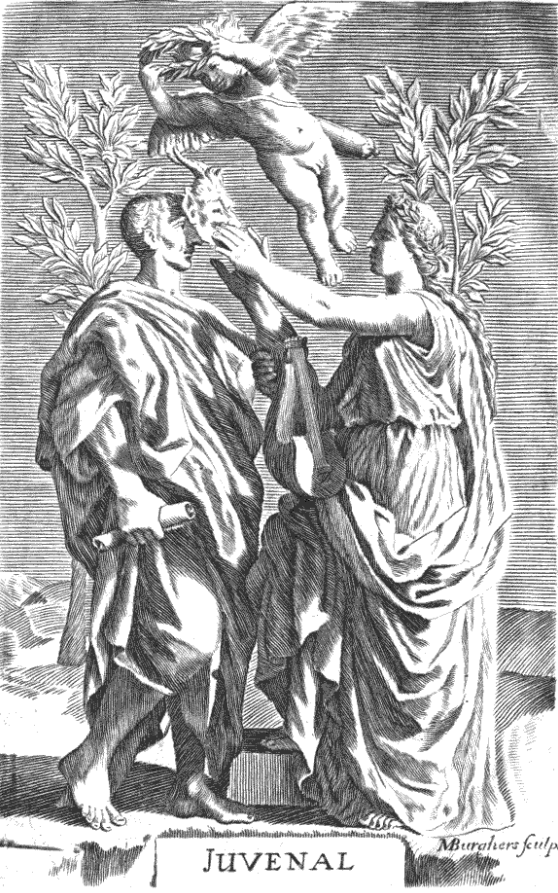
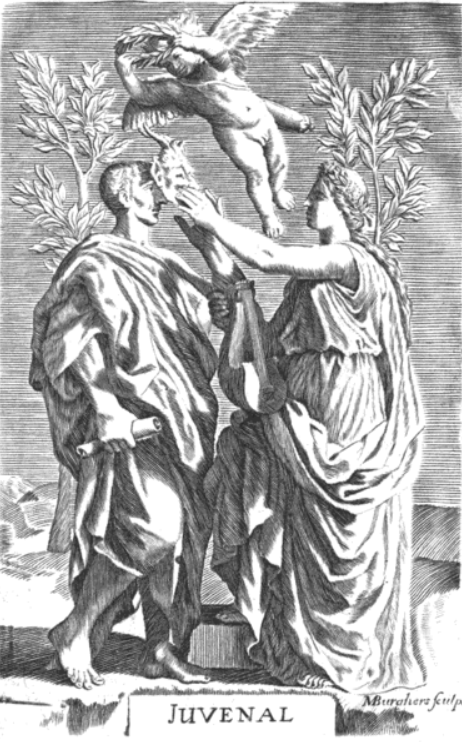
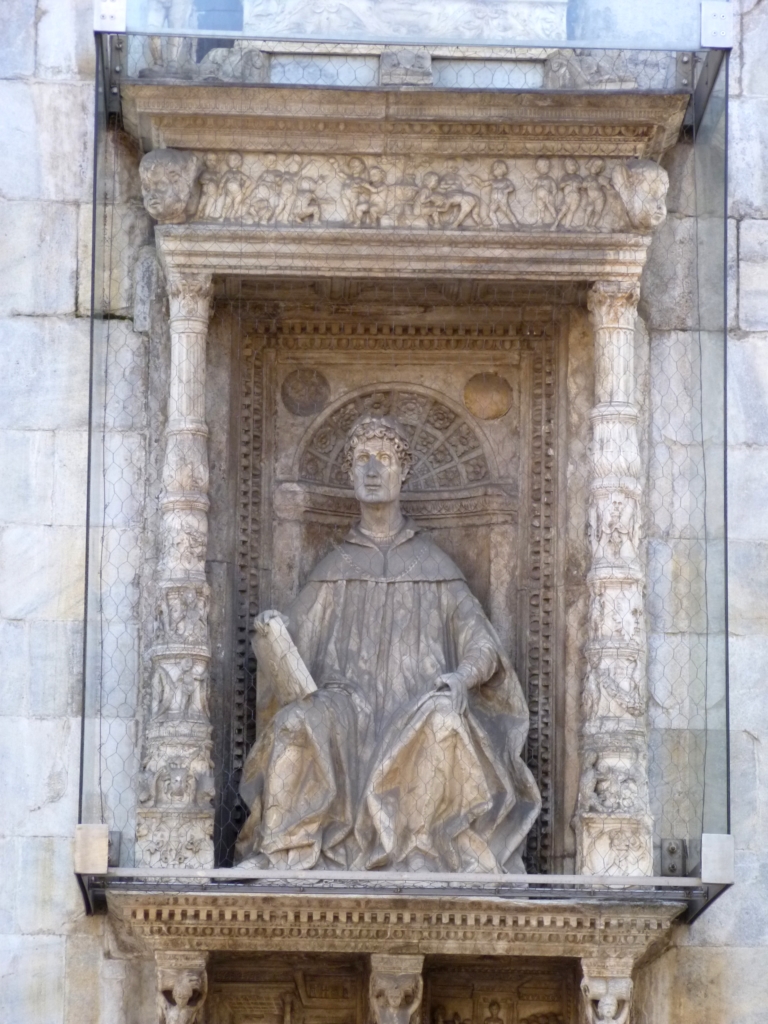
Juvenal, Roman satirical poet

Juvenal, Roman satirical poet

In the prologue, the poet addresses his audience in the first person, explaining that his friend Umbricius, whom he is meeting for the last time on the edge of the city of Rome, is about to depart from Rome for a better life in the country, a decision of which Juvenal thoroughly approves. The poet then joins the audience as Umbricius, a loyal Roman citizen who can no longer endure his homeland, speaks his mind in an extended monologue.

As he sets off for Cumae, Umbricius relates the reasons he has been driven from Rome: that there is no longer any room for honest men, only liars and paupers; that the only way to earn the patronage of great men is to learn their guilty secrets; that Greeks and Syrians (who are willing to lie and cheat and do whatever it takes) are starting to oust the native Romans from their jobs; that only rich men are believed on their oaths; that the poor are ejected from their places in the theatre; that he can never hope to marry an heiress or to receive a legacy; that costs are too high in Rome and the style of living too pretentious; that there is a constant danger from fires or falling houses; that the noisy crowded streets make sleep impossible; that the poor are hustled on the streets, while the rich are borne safely through the streets in litters; and that there is a constant danger from items thrown from windows, as well as from rowdies, burglars and bandits.

Umbricius begs Juvenal to visit him in Cumae whenever he is visiting his native Aquinum, and promises to support him in any attempts at political reform Juvenal might take up.

Analysis
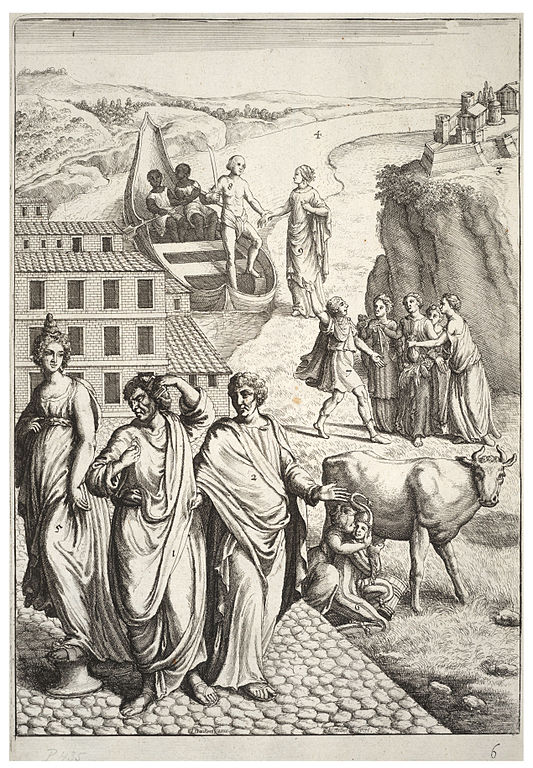
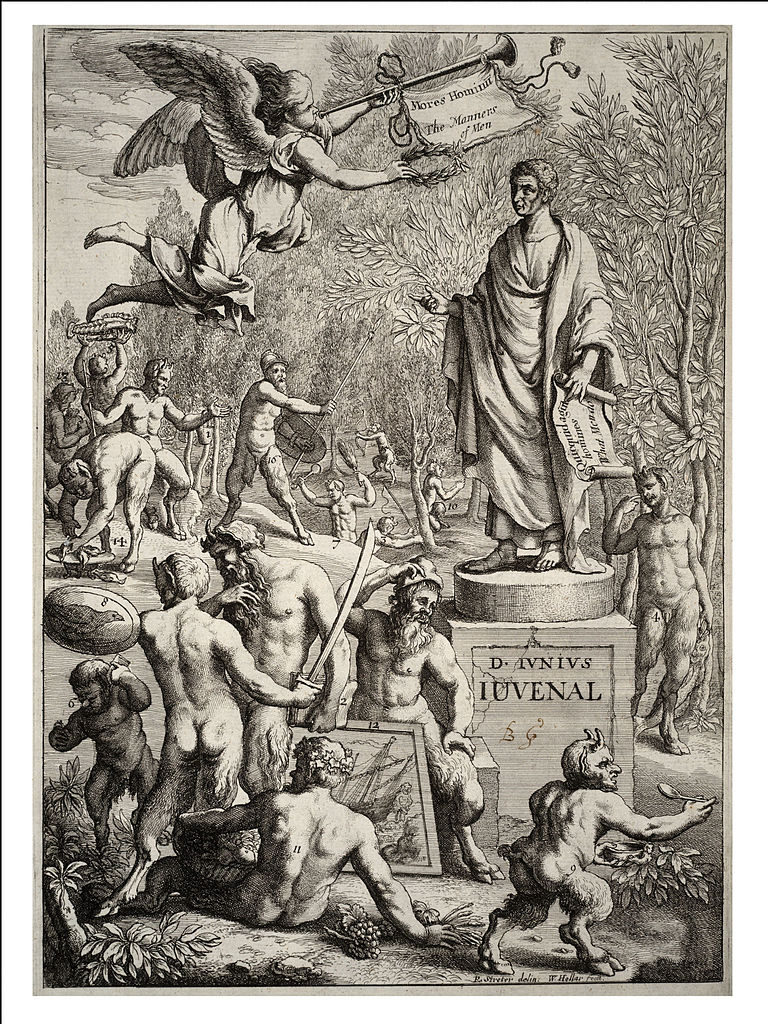
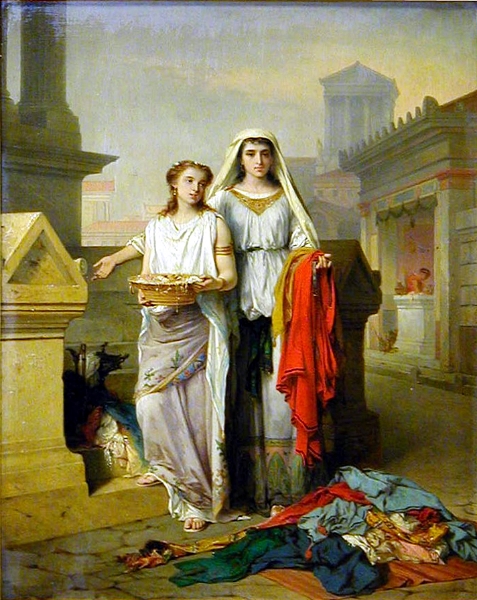
Illustration depicting scenes from Juvenal's Satire III

Illustration depicting scenes from Juvenal's Satire III

Juvenal is credited with sixteen known poems divided among five books, all in the Roman genre of satire, which, at its most basic in the time of the author, comprised a wide-ranging discussion of society and social mores, written in dactylic hexameter. Roman verse (as opposed to prose) satire is often called Lucilian satire, after Lucilius who is usually credited with originating the genre.

In a tone and manner ranging from irony to apparent rage, Juvenal criticizes the actions and beliefs of many of his contemporaries, providing insight more into value systems and questions of morality and less into the realities of Roman life. The scenes painted in his text are very vivid, often lurid, although Juvenal employs outright obscenity less frequently than does Martial or Catullus.

He makes constant allusion to history and myth as a source of object lessons or exemplars of particular vices and virtues. These tangential references, coupled with his dense and elliptical Latin, indicate that Juvenal's intended reader was the highly-educated subset of the Roman elite, primarily adult males of a more conservative social stance.

Resources

  • English translation by Niall Rudd (Google Books): https://books.google.ca/books?id=ngJemlYfB4MC&pg=PA15

  • Latin version (The Latin Library): http://www.thelatinlibrary.com/juvenal/3.shtml
By Timeless Myths

Juvenal:

  • • Satire III
  • • Satire VI
  • • Satire X
Satire VI

Satire VI

(Satire, Latin/Roman, c. 115 CE, 695 lines)Introduction "Satire VI" ("Satura VI") is a verse satire by the Roman satirical poet Juvenal, written around 115 CE. The poem laments what Juvenal sees as the decay of feminine virtue, and uses a series o...

October 25th, 2024 • Timeless Myths
Satire X

Satire X

(Satire, Latin/Roman, c. 120 CE, 366 lines)Introduction "Satire X" ("Satura X") is a verse satire by the Roman satirical poet Juvenal, written around 120 CE. The poem, sometimes known by the title "The Vanity of Human Wishes", is couched in brilli...

October 25th, 2024 • Timeless Myths
Ars Poetica

Ars Poetica

(Didactic Poem, Latin/Roman, c. 18 BCE, 476 lines)Introduction "Ars Poetica" ("The Art of Poetry" or "On the Nature of Poetry"), sometimes known under its original title, "Epistula Ad Pisones" ("Letters to the Pisos"), is a treatise or literary es...

October 25th, 2024 • Timeless Myths
Catullus 3 Translation

Catullus 3 Translation

Introduction In Catullus 3, the poet shares that his girl’s sparrow has died. This is a reference to his lover, Lesbia, who had a pet sparrow. And, according to Catullus, she loved this sparrow more than she loved her own eyes. This sparrow seemed...

January 1st, 2025 • Ancient Literature
Catullus 54 Translation

Catullus 54 Translation

Introduction In this poem, Catullus addresses several leaders who might be offended by his poetry. The allusions he makes in the poem include Otho, Erius, Libo, and Fuficius. At the end of the poem, Catullus mentions a general, but not by name. Mo...

January 1st, 2025 • Ancient Literature
Apocolocyntosis

Apocolocyntosis

(Satire, Latin/Roman, c. 55 CE, 246 lines)Introduction "Apocolocyntosis" (Greek: "Apokolokyntosis") or "Apocolocyntosis divi Claudii", usually translated as "The Pumpkinification of Claudius", is a political satire on the Roman emperor Claudius, p...

October 25th, 2024 • Timeless Myths
Juvenal

Juvenal

(Satirist, Roman, c. 55 – c. 138 CE)Introduction Juvenal was a Roman poet of the Silver Age of Latin literature, the last and most powerful of all the Roman satirical poets. His biting "Satires" could be read as a brutal critique of pagan Rome, al...

October 24th, 2024 • Timeless Myths
Epistulae X.96

Epistulae X.96

(Letters, Latin/Roman, c. 111 CE, 38 lines)Introduction "Epistulae X" ("Letters 10", also known as the "Correspondence with Trajan") is a book of letters by the Roman lawyer and author Pliny the Younger to the Emperor Trajan between 109 and 111 CE...

October 25th, 2024 • Timeless Myths
Catullus 93 Translation

Catullus 93 Translation

Introduction Catullus lived during the time of Julius Caesar. His father was friends with the senator and general, but Catullus did not respect the man. Caesar was an ally with Pompey and Catullus wrote several verses where he denounced him. In ot...

January 1st, 2025 • Ancient Literature
Horace

Horace

(Lyric Poet and Satirist, Roman, 65 – 8 BCE)Introduction Horace was, along with Vergil, the leading Roman poet in the time of Emperor Augustus. He is considered by classicists to be one of the greatest and most original of Latin lyric poets, appre...

October 24th, 2024 • Timeless Myths
Timeless Myths

Exploring mythology and legends from around the world.

Explore Myths

All Stories Characters All Articles Search Site Map

Mythologies

Norse Mythology Classical Mythology Celtic Mythology Arthurian Legends Mythology Gods Ancient Literature

About Us

Introduction About Jimmy Bibliography FAQs Retro Version

Resources

Timeless Myths All Stories All Articles Characters
© 1999-2026 Timeless Myths • Copyright • Privacy Policy • Cookie Policy • Contact
Follow us: